Fair Trade Certification
Guarantees minimum prices and community premiums for producers in developing countries.
What it is
Fair Trade certification (Fairtrade International, Fair Trade USA, Fair for Life) guarantees a minimum price floor for producers to cover sustainable production costs, a community premium paid on top to fund schools and clinics, prohibition of child and forced labour, democratic cooperative governance, and basic environmental standards.
How it's verified
FLOCERT independently audits Fairtrade producers and traders against detailed standards. Audits cover financials, labour conditions, premium use, and traceability. Annual surveillance and triennial recertification audits apply.
What to look for
Fairtrade International logo (green-and-blue figure), Fair Trade USA logo, or Fair for Life mark.
Watch out for
'Mass balance' accounting means a product can carry the Fairtrade mark even if its physical contents are not 100% certified — common for cocoa and sugar. Look for 'Sourced from Fairtrade producers' fine print.
What it doesn't cover
Fair Trade is not the same as organic — though many products carry both. It does not guarantee a 'living wage' (that is a stricter Fair Wear / Fair Trade USA initiative), and does not cover finished-product manufacturing labour in most cases.
Top Fair Trade-certified products
The highest-scoring products in our database that carry Fair Trade certification.

Ethique
Ethique Mintasy Shampoo Bar
The Ethique Mintasy Shampoo Bar is the best for zero-waste hair care enthusiasts looking to replace three plastic bottles with one effective 2026 bar.

Dr. Bronner's Baby Unscented Pure-Castile Liquid Soap is a versatile, organic cleanser that is great value for families seeking multi-use grooming products.

Dr. Bronner's
Dr. Bronner's Pure-Castile Liquid Soap - Peppermint
Dr. Bronner's Pure-Castile Liquid Soap is a non-toxic car wash alternative that is worth it for eco-conscious owners who want a biodegradable clean.
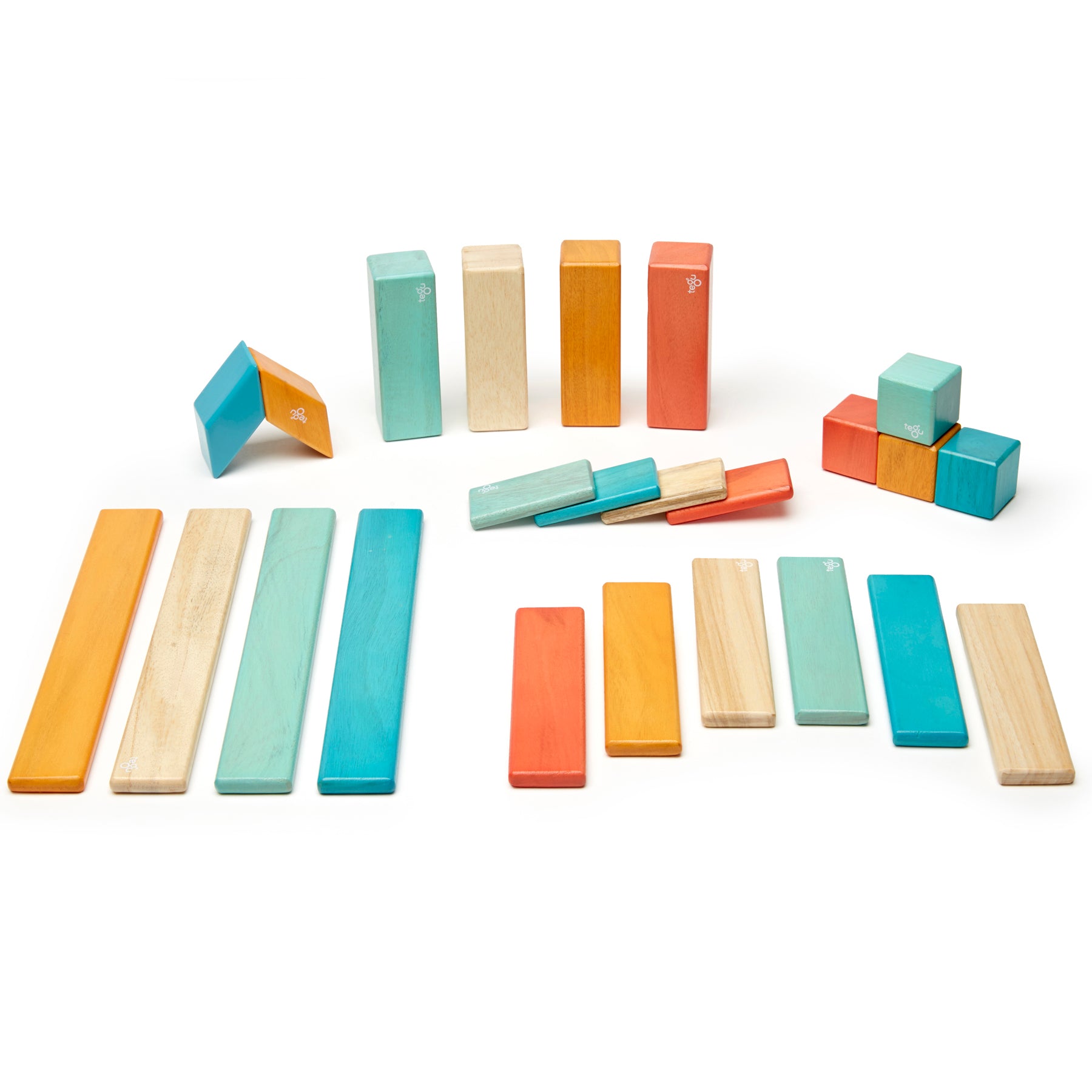
The Tegu 24-Piece Magnetic Wooden Block Set offers a sustainable, gravity-defying building experience and is great value for ethical toy collectors.

Dr. Bronner's
Dr. Bronner's All-One Peppermint Toothpaste
Dr. Bronner's All-One Peppermint Toothpaste is an organic, fluoride-free formula that is worth it for shoppers seeking fair-trade ingredients and a simple label.
Patagonia
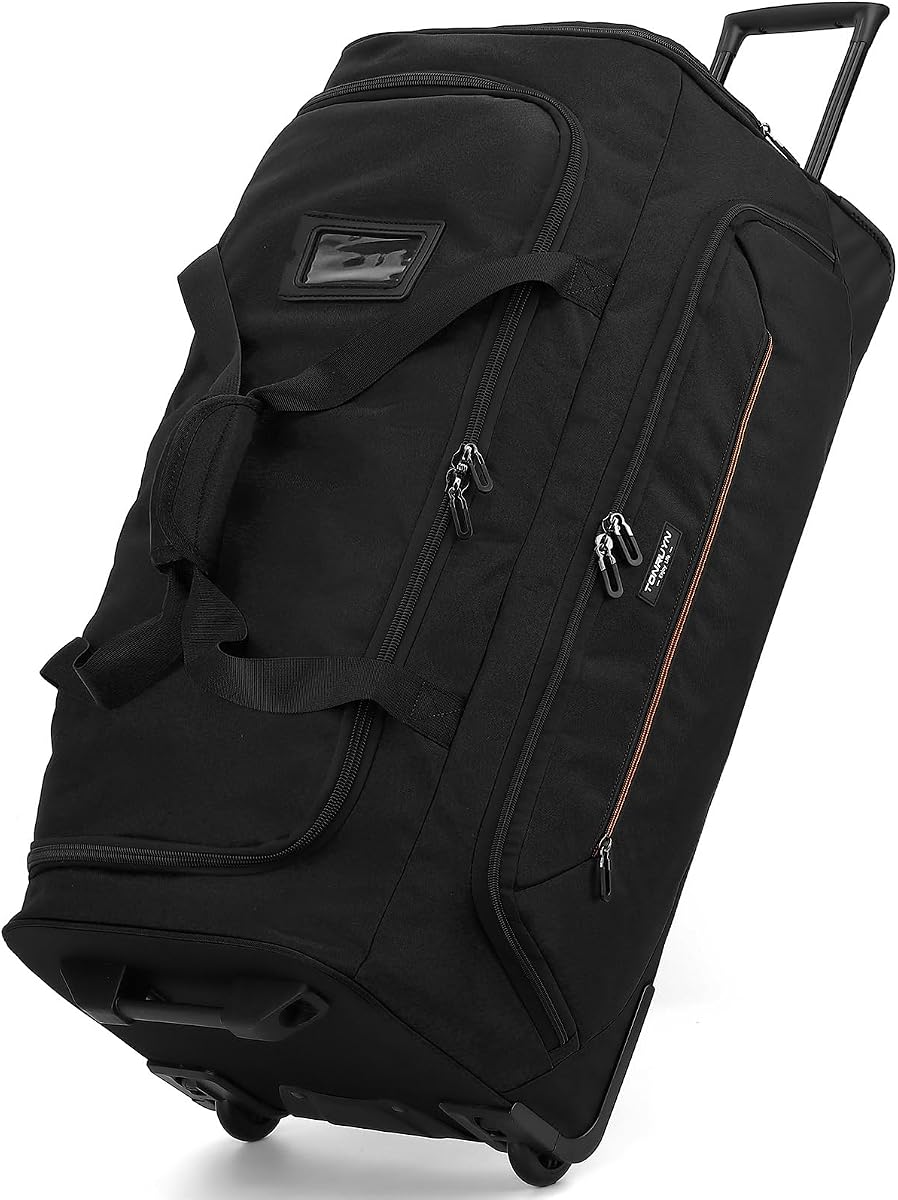
Wheeled Duffel 30 inch
The Patagonia Wheeled Duffel 30 inch is a premium, 100% recycled gear hauler that is best for eco-conscious adventurers traveling with heavy equipment.

Patagonia
Refugio Daypack 26L
The Patagonia Refugio Daypack 26L is a versatile, recycled polyester backpack that is worth it for eco-conscious hikers and daily commuters alike in 2026.

Coyuchi's 100% Organic Cotton Sheet Set is a premium bedding staple that is great value for sleepers who prioritize GOTS-certified purity and ethical labor.

The Citizenry
The Citizenry Engobe Terra Cotta Vase
The Citizenry Engobe Terra Cotta Vase is a handcrafted decorative piece that is a great value for those wanting ethical, artisan-made home accents in 2026.
Frequently asked
What does the Fair Trade premium pay for?+
The premium is paid into a democratically governed cooperative fund. Producers vote on its use — historically about half goes to community infrastructure (schools, water systems), the rest to farm productivity investments.