Non-GMO Project Verified
Independent verification that a product avoids genetically modified inputs.
What it is
The Non-GMO Project is a North American non-profit that verifies products against a strict standard for the avoidance of genetically modified organisms across ingredients, animal feed, processing aids and packaging.
How it's verified
Products undergo ongoing testing of high-risk inputs (corn, soy, canola, sugar beet, cotton) at qualified labs. The Non-GMO Project Standard sets action thresholds — typically 0.9% for human food. Certification is annual with traceability audits.
What to look for
The butterfly-on-grass Non-GMO Project Verified logo. Verify product status at nongmoproject.org.
Watch out for
'GMO-free' or 'no GMOs' without the Non-GMO Project logo is self-declared and unaudited. Some categories (wheat, oats) have no GMO version in commercial production — a label there is marketing.
What it doesn't cover
Non-GMO is not organic — it permits synthetic pesticides and conventional farming. The two certifications are complementary; many products carry both.
Top Non-GMO-certified products
The highest-scoring products in our database that carry Non-GMO certification.

Dr. Bronner's
Dr. Bronner's Pure-Castile Liquid Soap - Peppermint
Dr. Bronner's Pure-Castile Liquid Soap is a non-toxic car wash alternative that is worth it for eco-conscious owners who want a biodegradable clean.

Beam Paints
Agallocha Wood-Free Watercolors
Agallocha Wood-Free Watercolors offer handmade, plastic-free paints that are great value for artists wanting ethically sourced indigenous pigments in 2026.

Bon Affair Zero Sugar: Best for individuals wanting zero-sugar hydration with effective electrolytes; great value for organic, zero-sugar products.
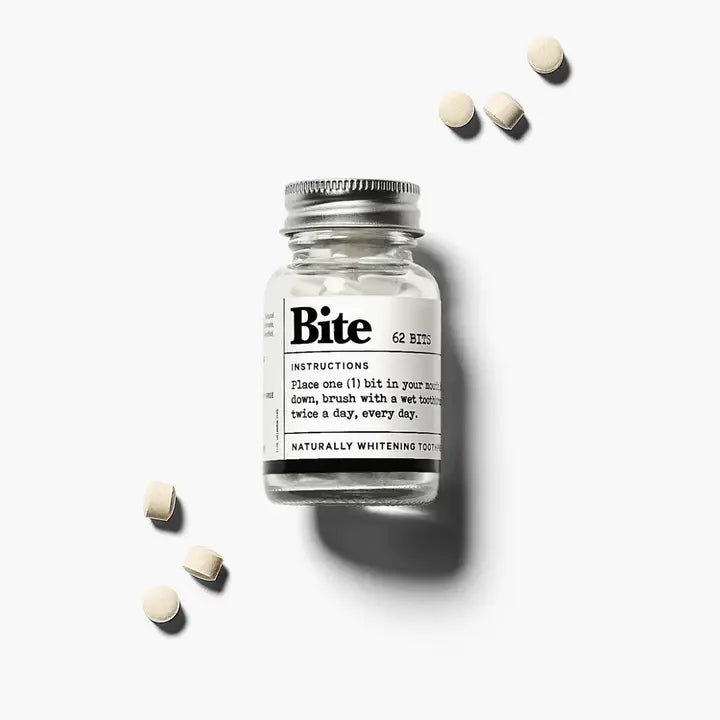
Bite Fresh Mint Toothpaste Bits are a great value for eco-friendly holiday shoppers seeking plastic-free, travel-ready personal care stocking stuffers.

Garden of Life's liquid Vitamin D3+K2 drops offer a convenient, vegan formulation in an organic base.

Earth Mama Organics
Diaper Balm
A herb-infused, petroleum-free botanical balm that is cloth-diaper safe and rigorously tested for toxicity.

Dr. Bronner's
Organic Regenerative Coconut Milk
A gold-standard pantry staple produced through regenerative organic farming in Sri Lanka, ensuring fair wages and soil health restoration.

Navitas Organics
Navitas Organics Cacao Powder
Navitas Organics Cacao Powder is a nutrient-dense superfood that is great value for home bakers and smoothie enthusiasts looking for premium antioxidants.

If You Care FSC Certified Compostable Waxed Paper Bags are worth it for packing oily or moist snacks in a totally plastic-free, greaseproof format.
Frequently asked
Are GMOs unsafe?+
The major scientific bodies (WHO, EFSA, NASEM) consider currently commercialised GMO crops as safe to eat as their conventional counterparts. Many shoppers avoid GMOs for ecological, supply-chain or pesticide-use reasons rather than direct safety concerns.