Ethical Brands
1000 verified brands committed to quality, value, and transparency.

Garden of Life

Everlane

Allbirds

Moon Juice

Onyx and Green
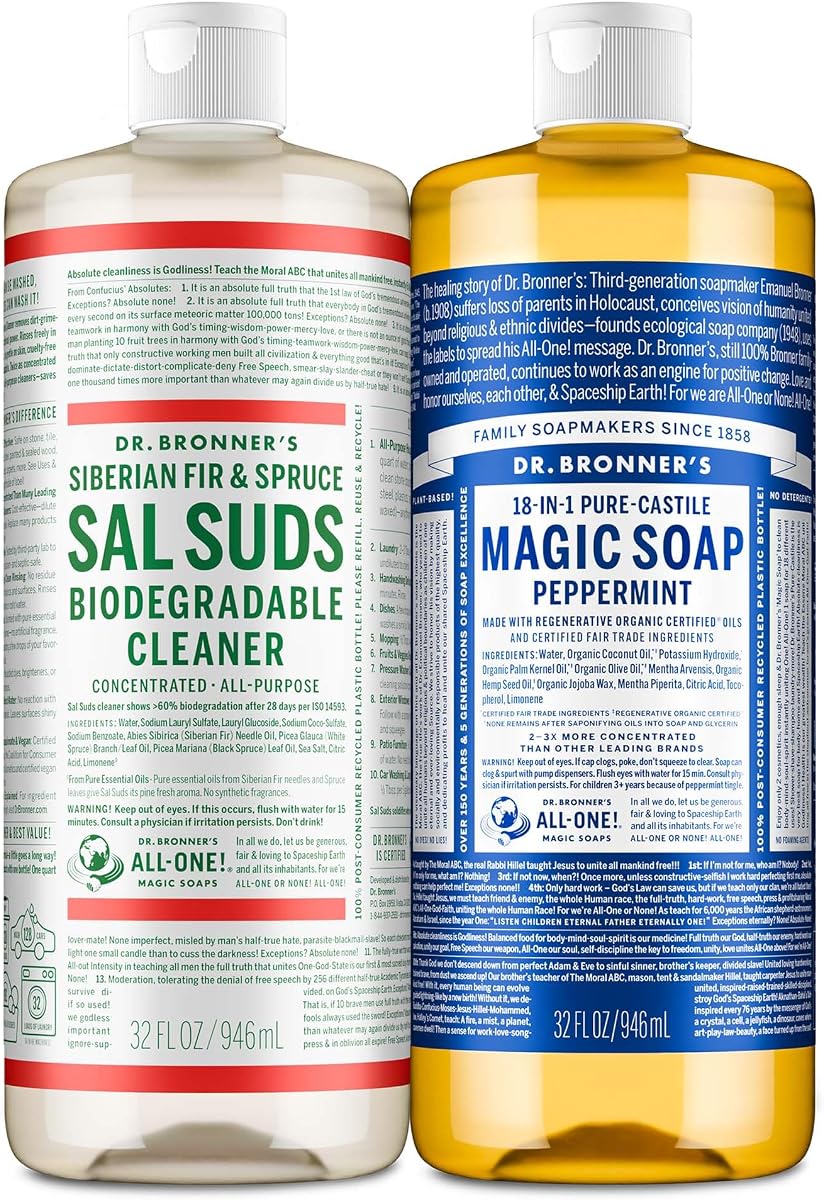
Dr. Bronner's

Model No.

Patagonia

Herbivore Botanicals

Floyd

Eagle Creek

Sunwarrior

Speedball

Chemical Guys

Generic

SproutWorld

Pact

Green Toys

Earth Rated

Pura Vida

Sabai

Seventh Generation

EGO Power+

Paddywax

The Little Market

Brilliant Earth

Attitude

Svala

Pura
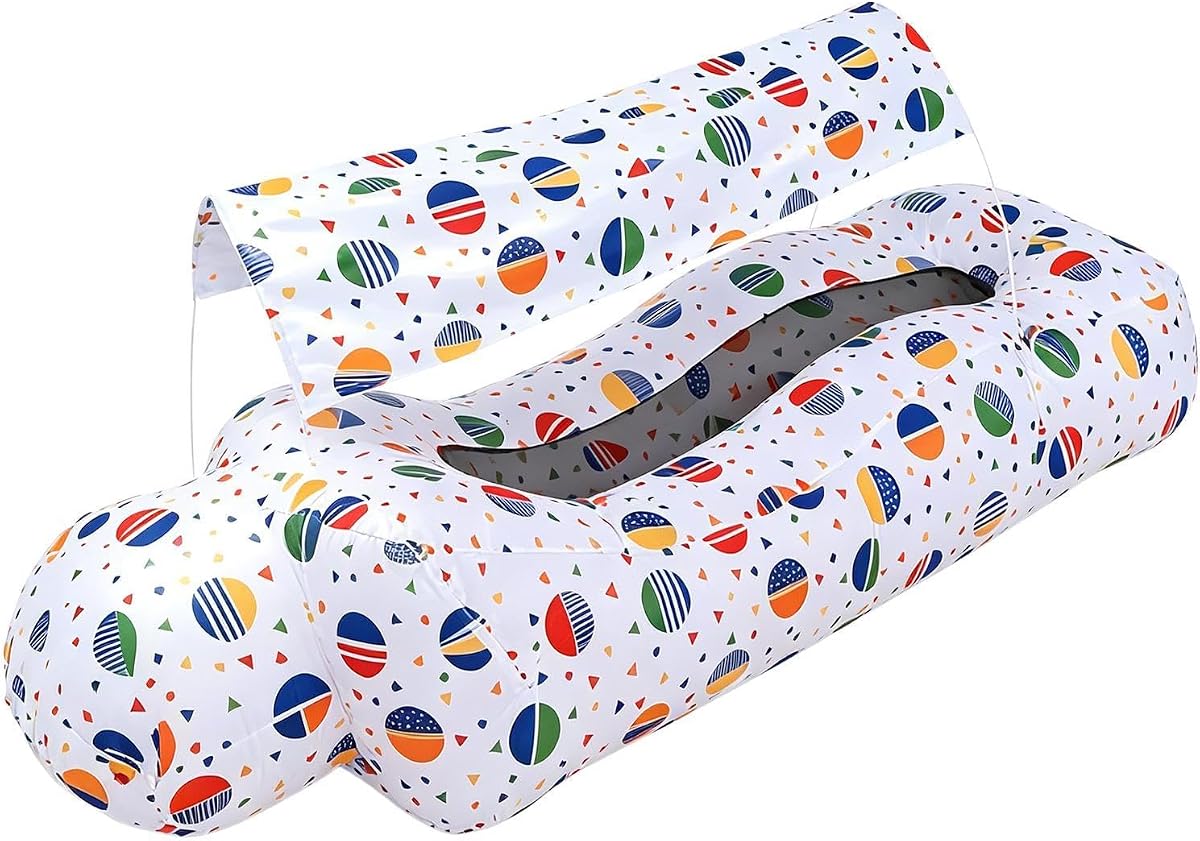
Inside Weather

Charles & Colvard

Public Goods

Anker

TP-Link

Hevea
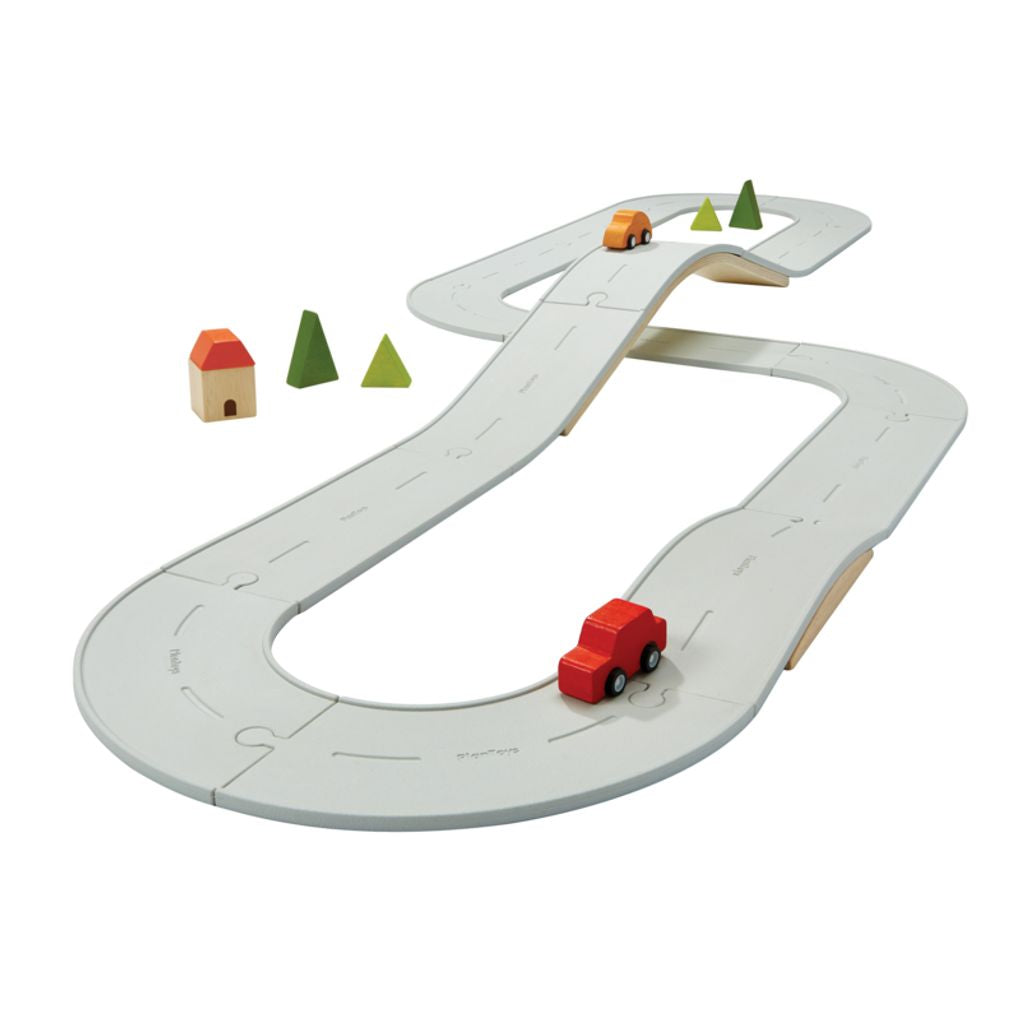
PlanToys
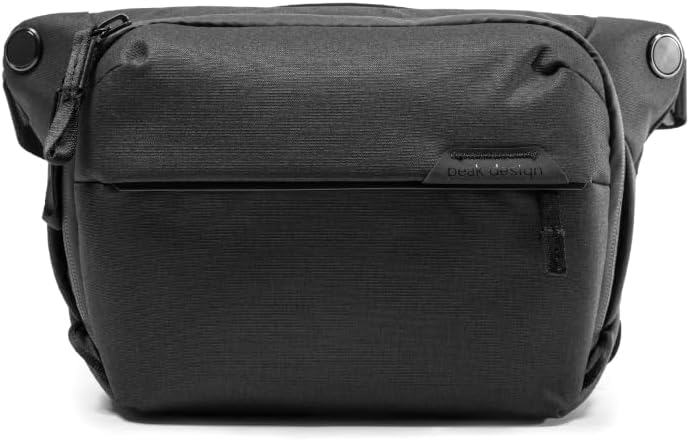
Peak Design

Monos

West Elm

The Ordinary

Nomatic

Logitech

Amazon
Vrai

Stasher

Youth To The People

Puracy

Gantri

Ritual
Manduka

EcoCoco

P.F. Candle Co.

VEJA

Osprey

Burrow

Winsor & Newton

Thule

Mushie

Philips

EcoNour
Quick answer
- Brand averages are computed from published product scores, not surveys
- Recalls and controversies stay on the record after resolution, with dates
- Certifications are shown at brand level only when they apply company-wide
- A single flagship product cannot lift a brand average on its own
What each brand signal tells you
| Signal | What it indicates | Limitations | Weight it when |
|---|---|---|---|
| Average composite | Overall catalogue consistency | Hidden by small catalogues | The brand has several scored products |
| Pillar spread | Where the brand reliably wins or loses | Category-dependent | You care about one pillar in particular |
| Company certifications | Governance and process maturity | Not product-specific | Buying across the catalogue |
| Recall history | How failures are handled | Absence may mean low scrutiny | The product category carries safety risk |
| Controversy record | Gap between marketing and practice | Coverage varies by brand size | The brand markets heavily on ethics |
How a brand record is built
- 1
Aggregate the catalogue
Every published, scored product from the brand is pooled, so one strong item cannot mask a weak range.
- 2
Attach verified credentials
Only company-level certifications resolvable to a registry appear at brand level; product-specific marks stay on product pages.
- 3
Record failures with sources
Recalls and controversies require a primary source such as a regulator filing or brand statement, and keep their original dates.
- 4
Keep the history visible
Resolved issues remain on the page rather than being deleted, so a brand's trajectory stays readable over time.
Reading a brand page critically
Small catalogues mislead
An average from two products is a data point, not a trend. Check how many scored items sit behind the number.
Silence is not safety
No recall history can mean strong quality control or simply less regulatory attention in that category.
Handling beats incidence
Most large manufacturers eventually issue a recall. How quickly and openly they closed the loop is the more informative signal.
Check pillar shape
Two brands with the same average can be opposites: one wins on durability, the other on price and support.
More questions, answered
How is a brand's average score calculated?
It is the mean composite score of every published product for that brand, so it moves when products are added, rescored or delisted.
Do you remove old controversies?
No. Resolved entries are marked resolved and dated but stay on the record, because the pattern over time is the useful information.
Can brands request changes?
They can submit corrections with a verifiable public source. Verified corrections are published within seven days; nothing can be removed by request alone.