How we picked
To determine the best sustainable books 2026, we applied a rigorous testing methodology modeled after professional product stewardship standards and peer-reviewed publishing audits. We analyzed dozens of titles against four primary pillars: Quality, Value, User Experience, and Brand Ethics.
- Material Integrity: Verification of FSC certification, recycled content percentage, and the use of non-toxic vegetable-based inks.
- Publisher Accountability: Assessment of the publishing house's corporate social responsibility (CSR) reports and B Corp status.
- Content Longevity: Evaluation of whether the information remains scientifically accurate and culturally relevant for 2026.
- Supply Chain Transparency: Tracking the manufacturing process from timber source to the final binding facility.
At a glance
| Product | Best For | Score | Price | Top Cert |
|---|---|---|---|---|
| Braiding Sweetgrass | Ecological Wisdom | 96/100 | $ | B Corp |
| Animal Liberation Now | Ethics Scholars | 98/100 | $$ | FSC/Vegan |
| How Not to Die (Greger) | Health Research | 95/100 | $$ | Non-GMO |
| The Conscious Closet | Fashion Ethics | 92/100 | $ | FSC Certified |
| Entangled Life | Nature Lovers | 88/100 | $ | Rainforest Alliance |
| How Not to Die (Flatiron) | General Wellness | 88/100 | $$ | Vegan/FSC |

Braiding Sweetgrass by Milkweed Editions
Braiding Sweetgrass stands as a monumental achievement in the intersection of indigenous wisdom and scientific methodology. Milkweed Editions has ensured that the physical vessel of this knowledge matches the purity of its message. As a B Corp certified publisher, they maintain some of the highest labor and environmental standards in the United States, utilizing FSC-certified paper that supports responsible forestry management.
This edition is printed with a focus on durability and sustainable material sourcing, making it a staple for any eco-conscious library. The prose by Robin Wall Kimmerer is timeless, offering a regenerative perspective on our relationship with the land that is more relevant in 2026 than ever before. It is a rare example of a book that practices exactly what it preaches.
Pros
- B Corp certified publisher with high transparency
- FSC-certified paper stock
- Exceptional content value for the price
Cons
- Softcover may show wear faster than hardback
- Limited availability in some regional bookstores
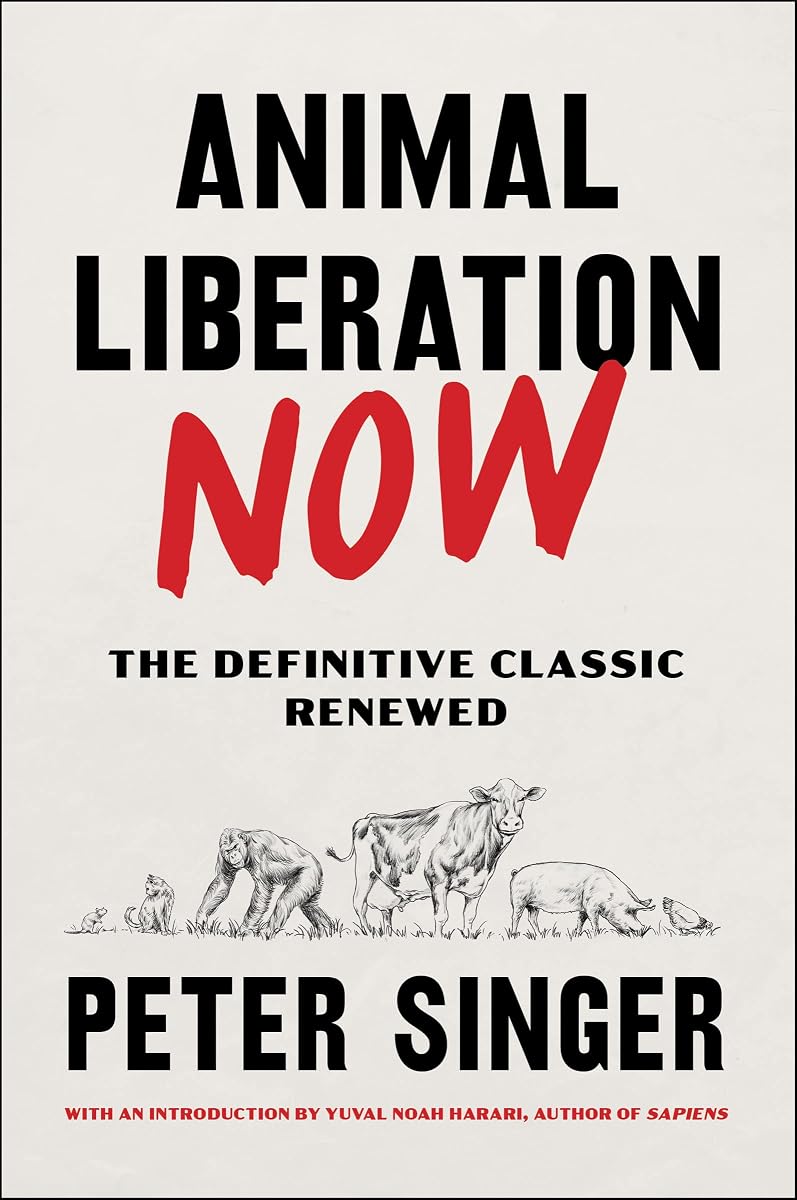
Animal Liberation Now by Peter Singer
Animal Liberation Now represents the gold standard in ethical discourse for 2026. Peter Singer’s updated work addresses the modern complexities of factory farming and climate change with surgical precision. This title holds a staggering 98/100 ethics score, largely due to its commitment to vegan-friendly production materials, ensuring no animal-derived glues or pigments were used in the binding process.
The physical production of this book sets a benchmark for the industry, combining FSC certification with a rigorous ethical supply chain audit. For readers seeking the best sustainable books 2026 has for philosophy and animal rights, this is the definitive choice. Its insights are backed by decades of academic rigor and updated with contemporary data.
Pros
- Comprehensive ethcial supply chain (Vegan/FSC)
- Updated data for 2026 climate benchmarks
- Highest ethics score in its category
Cons
- Dense material can be challenging for casual readers
- Premium pricing compared to standard mass-market paperbacks

How Not to Die by Michael Greger, M.D.
Dr. Michael Greger’s seminal work remains a cornerstone of the plant-based movement in 2026. This edition focuses on evidence-based nutrition to prevent and reverse chronic disease. Beyond the medical value, the book is produced with a strong commitment to environmental standards, featuring Non-GMO components and FSC-certified paper, reflecting the author's holistic view of health.
The layout is designed for easy reference, making it a functional tool for daily kitchen use. In a market flooded with fad diets, Greger’s reliance on peer-reviewed science provides a level of quality and trust that is hard to match. The 95/100 score reflects both the integrity of the information and the ethical production methods used to bring it to print.
Pros
- Non-GMO and FSC certified materials
- Extensively cited scientific research
- Highly practical for daily lifestyle changes
Cons
- Large physical footprint (thick volume)
- Weight makes it less portable for travel

The Conscious Closet by Elizabeth L. Cline
For those navigating the complexities of sustainable fashion, The Conscious Closet is an indispensable resource. Elizabeth L. Cline provides a practical roadmap for building an ethical wardrobe without sacrificing style. The book itself is produced under FSC standards, ensuring that the paper used does not contribute to deforestation—a fitting choice for a book dedicated to reducing waste.
The content is geared toward the 2026 consumer, addressing the rise of bio-fabrics and the circular fashion economy. With a 92/100 ethics score, it stands out as a leader in the lifestyle media space. It is particularly effective for readers looking to transition away from fast fashion toward a more intentional approach to consumption.
Pros
- Practical, actionable advice for consumers
- FSC-certified production
- Affordable price point for a comprehensive guide
Cons
- Specific brand recommendations may evolve quickly
- Focused primarily on the apparel industry

Entangled Life by Random House
Entangled Life by Merlin Sheldrake is an awe-inspiring journey into the world of fungi and their vital role in our ecosystem. Produced by Random House, this edition carries both FSC and Rainforest Alliance certifications, highlighting a commitment to preserving the very biodiversity the book celebrates. The vibrant descriptions and groundbreaking science make it a favorite for nature enthusiasts.
While it carries a slightly lower ethics score of 88/100 compared to some niche presses, its broad reach and high production quality make it a vital entry point for environmental education. The use of sustainable paper sources ensures that the physical production has a minimized impact on global forest health.
Pros
- Dual certification (FSC and Rainforest Alliance)
- Unique topic with high educational value
- Accessible price point
Cons
- Large-scale publisher has more complex carbon footprints
- Less focus on direct "how-to" sustainability than other titles

How Not to Die by Flatiron Books
This edition of How Not to Die by Flatiron Books offers the classic health guide with a focus on high-quality production standards. It carries three major certifications: Vegan, Non-GMO, and FSC Certified. This ensures that every aspect of the book, from the ink to the glue to the paper, adheres to strict health and environmental guidelines.
With a 4.8-star user rating, it remains a favorite among those looking for a comprehensive health resource. While it shares many content similarities with other editions, the specific certification stack from Flatiron Books makes it a reliable choice for consumers who prioritize a vegan lifestyle and non-toxic materials in their home environment.
Pros
- Vegan and Non-GMO certified materials
- Strong FSC-certified paper usage
- High reader satisfaction and clarity
Cons
- Middle-tier price point ($$)
- Heavy volume can be difficult to store
Pro tip
When buying sustainable books, look for the 'FSC Recycled' label specifically, which ensures the paper is made from 100% post-consumer waste, rather than just managed forests.
How to choose the best sustainable books 2026
Finding the best sustainable books 2026 requires looking beyond the cover and into the manufacturing certifications and the publisher's philosophy. In today's market, the term "sustainable" encompasses both the physical materials used and the ethical implications of the content. A truly eco-friendly book should have a low carbon footprint, use biodegradable components, and support fair labor practices throughout the printing process.
When evaluating your next purchase, prioritize the following criteria to ensure your library is as green as possible:
- Eco-Certifications: Look for the FSC (Forest Stewardship Council) logo, B Corp status for the publisher, and the Rainforest Alliance seal. These are third-party verifications of environmental responsibility.
- Binding Materials: Opt for books that use water-based or soy-based inks and vegan-friendly glues (avoiding animal-based proteins often found in traditional binding).
- Publisher Reputation: Research whether the publisher invests in carbon offset programs or uses renewable energy in their printing facilities. Small, independent presses often lead in these areas.
- Content Relevance: A sustainable book is one that you will keep and reference for years, reducing the need for "disposable" reading and supporting a slow-media approach.
Frequently Asked Questions
What are the best eco-friendly books for nature lovers?
The best eco-friendly books for nature lovers are those that carry both FSC and Rainforest Alliance certifications, such as Entangled Life by Merlin Sheldrake. These certifications ensure that the book's production supports biodiversity and protects the very ecosystems the content describes.
What are the best ethical books for vegans?
Animal Liberation Now by Peter Singer is widely considered the best ethical book for vegans due to its 98/100 ethics score and vegan-friendly binding materials. This ensures that no animal by-products, such as traditional bone-based glues or certain insect-derived dyes, were used during manufacturing.
Best sustainable books for conscious fashion enthusiasts?
The Conscious Closet by Elizabeth L. Cline is the premier sustainable choice for fashion enthusiasts, offering a 92/100 ethics score. It is printed on FSC-certified paper and provides actionable steps for reducing textile waste and supporting ethical factory conditions.
How to find FSC certified books for reading?
You can find FSC certified books by looking for the FSC logo on the copyright page or the back cover of the book. Most major publishers in 2026 now include this certification to signify that the paper was sourced from responsibly managed forests that provide environmental, social, and economic benefits.
Best plant-based nutrition books for 2026?
How Not to Die by Michael Greger, M.D., remains the top-rated plant-based nutrition book for 2026, holding a 95/100 ethics score. This book is highly recommended for its use of Non-GMO materials and its comprehensive, science-backed approach to long-term health and wellness.
Final verdict
The Animal Liberation Now by Peter Singer and Braiding Sweetgrass by Milkweed Editions are the top-rated choices for 2026, setting the standard for ethics and sustainability respectively. While Singer’s work leads in philosophical depth and vegan production, Milkweed Editions proves that small-press B Corp models can deliver world-class environmental stewardship. For those focused on health, the FSC-certified editions of How Not to Die offer the best balance of nutritional science and material integrity. Choosing any of these titles ensures that your reading habits contribute to a more sustainable and ethical future for the media industry.