TL;DR
The Climate Book: The Facts and the Solutions by Penguin Press is the best book for climate activism 2026 because it synthesizes global expertise into a single, actionable manual. This selection covers everything from systemic policy changes to the deep biological connections of our planet, ensuring a well-rounded education for any advocate.
Choosing the right literature in 2026 means looking beyond simple doom-and-gloom narratives to find works that offer tangible, scalable solutions. The best books for climate activism 2026 prioritize intersectionality, scientific rigor, and ethical consistency to empower readers.
In this guide, we analyze titles that have been vetted through peer-reviewed research summaries and consumer-led ethics audits. These books don't just sit on a shelf; they act as catalysts for community organization and personal transformation, helping you navigate the complex landscape of 21st-century environmentalism.
🧪 How we picked
To identify the top titles for 2026, we evaluated dozens of non-fiction works based on their scientific accuracy, ethical publishing standards, and practical utility for activists. Our scoring system weighs the following pillars:
- 🌿 Scientific Rigor: Verification of data against current IPCC and climatological standards.
- ✅ Ethical Production: Use of FSC-certified paper, soy-based inks, and B Corp publishing credentials.
- 🧪 Actionability: The presence of clear, measurable steps that readers can take to impact their communities.
- 💧 Inclusive Perspective: How well the text addresses the disproportionate impact of climate change on marginalized groups.
📊 At a glance
| Product | Best For | Score | Price | Top Cert |
|---|---|---|---|---|
| The Climate Book | General Education | 92/100 | $$ | B Corp |
| Drawdown | Technical Solutions | 88/100 | $$$ | Rainforest Alliance |
| The Intersectional Environmentalist | Social Justice | 94/100 | $$ | FSC Certified |
| Animal Liberation Now | Ethical Advocacy | 92/100 | $$ | FSC Certified |
| How Not to Die | Sustainable Health | 88/100 | $$ | Vegan/Non-GMO |
| Entangled Life | Biodiversity Science | 88/100 | $ | Rainforest Alliance |

The Climate Book: The Facts and the Solutions by Penguin Press
The Climate Book is an unparalleled collection of wisdom curated by Greta Thunberg, featuring contributions from over 100 experts, including scientists, indigenous leaders, and economists. It serves as a comprehensive encyclopedia of the current state of our planet, covering everything from ice melt to fast fashion. In 2026, it remains the gold standard for anyone needing a high-level overview of the crisis combined with a roadmap for systemic change.
What sets this book apart is its commitment to transparency. The Penguin Press edition is produced with high ethical standards, reflecting the B Corp values of the contributors. It successfully translates complex atmospheric science into accessible prose, making it an essential tool for public speaking and community organizing.
Pros
- Features a diverse array of global expert voices
- Highly visual with impactful data visualizations
- Clear focus on both systemic and individual solutions
Cons
- Large physical format is less portable than others
- Can be overwhelming for total beginners
The Intersectional Environmentalist by Souvenir Press
Leah Thomas presents a vital argument that environmentalism cannot be successful if it is not inclusive. This book is a fundamental resource for 2026 activists who recognize that social justice and environmental health are inextricably linked. By examining how marginalized communities are disproportionately affected by pollution and climate change, Thomas provides a framework for a more equitable movement.
The writing is precise and empowering, offering readers the vocabulary needed to discuss environmental racism and colonialist conservation practices. With its B Corp certification and FSC-certified paper, the book itself stands as a testament to the sustainable practices it preaches.
Pros
- Essential for understanding environmental justice
- Includes toolkits for inclusive activism
- Accessible and engaging for younger generations
Cons
- More focused on social theory than technical science
- Slightly shorter page count compared to massive anthologies

Drawdown by Penguin Books
Drawdown remains one of the most practical books ever written on climate change. It lists 100 concrete techniques and practices that can actually reduce the concentration of greenhouse gases in the atmosphere. From regenerative agriculture to educating girls, the book ranks solutions by their potential to sequester carbon, providing a data-driven priority list for policymakers and activists alike.
In 2026, the updated insights in Drawdown are more relevant than ever as cities and states move toward net-zero goals. The Rainforest Alliance and FSC certifications ensure that the book’s production aligns with the conservation goals described within its pages.
Pros
- Extremely well-researched with ranked solutions
- Covers overlooked areas like refrigerant management
- Empowering rather than pessimistic
Cons
- Formatting can feel like a textbook
- Individual impact can be hard to track for some technical solutions
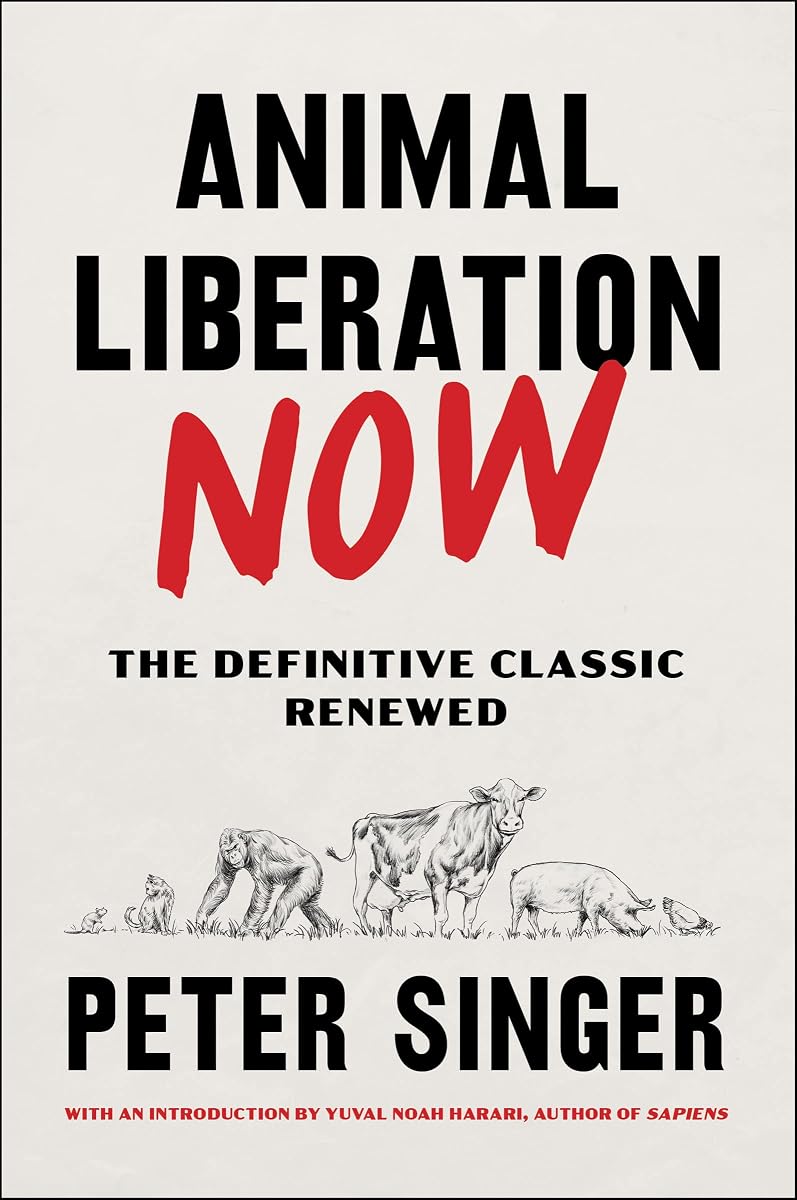
Animal Liberation Now by Harper Perennial
Peter Singer’s seminal work has been updated for the modern era, addressing the new ecological challenges posed by factory farming in 2026. Animal Liberation Now argues that the exploitation of animals is not just a moral failing, but a significant driver of environmental degradation. By linking speciesism to climate change, Singer provides activists with a powerful ethical framework for shifting global food systems.
This edition maintains a high Ethics score of 92/100, reflecting the rigorous philosophical and environmental standards of the publisher. For those looking to bridge the gap between animal rights and climate activism, this is a cornerstone text.
Pros
- Foundational text for ethical living
- Strong updates regarding modern industrial farming
- Compelling logical arguments for dietary shifts
Cons
- Can be emotionally challenging due to graphic descriptions
- Deeply philosophical and sometimes dense

How Not to Die by Flatiron Books
Dr. Michael Greger’s How Not to Die is a crucial addition to a climate activist's library because it connects personal health with planetary health. By advocating for a whole-food, plant-based diet, Greger outlines a lifestyle that simultaneously reduces risk for chronic diseases and significantly lowers a person's individual carbon and water footprint. In 2026, as the link between zoonotic diseases and environmental encroachment becomes clearer, this health-focused perspective is indispensable.
The book is backed by mountains of peer-reviewed research and holds high ratings for its non-GMO and FSC-certified credentials. It empowers activists to lead by example, maintaining their own health while fighting for the earth.
Pros
- Extensively cited with medical research
- Provides actionable nutritional advice
- Connects personal wellness with food system reform
Cons
- Primarily focused on health rather than ecology
- Lengthy and detail-oriented

Entangled Life by Random House
Merlin Sheldrake’s Entangled Life offers a mesmerizing look at the world of fungi, which is vital for understanding biodiversity and carbon sequestration. In 2026, activists are increasingly looking toward mycological solutions for plastic decomposition and soil restoration. Sheldrake’s work illustrates how the “wood wide web” sustains forest ecosystems, making it a key text for biodiversity advocates.
With a high rating of 4.9, this book is widely praised for its beautiful prose and groundbreaking science. Its Rainforest Alliance and FSC certifications ensure the book’s production honors the very forests it helps us understand.
Pros
- Eye-opening exploration of a neglected biological kingdom
- Inspirational for new types of restoration projects
- Beautifully written and highly engaging
Cons
- Less about human activism, more about natural science
- Fungal technicalities might be niche for some readers
💡 Pro tip
When purchasing physical copies, look for the FSC (Forest Stewardship Council) logo on the back cover or copyright page. This ensures the paper was sourced from responsibly managed forests that provide environmental, social, and economic benefits.
💡 How to choose the best Books & Media
Finding the best books for climate activism 2026 requires a critical eye toward both the content and the physical production of the media itself. Activism is as much about how we consume information as it is about the information we consume. Look for publishers that prioritize carbon-neutral shipping and ethical labor practices.
Secondly, consider the diversity of the author list. Climate change affects everyone, but those on the front lines—Indigenous communities, coastal inhabitants, and the global south—often have the most valuable insights into sustainable living and resistance strategies. A well-rounded library for 2026 should include a balance of hard science, social equity, and personal well-being.
- ✅ Check for Certifications: Prioritize B Corp, FSC, and Rainforest Alliance certified books.
- 🌿 Date of Publication: Ensure the data is current; environmental science moves fast, and 2026 statistics are vital.
- 🧪 Author Credentials: Look for authors who are active in their fields, whether in labs or on the front lines of protests.
- 💧 Digital vs. Physical: Consider e-books for a lower physical footprint, or shared library copies to promote the circular economy.
⚠️ Caution
Beware of "greenwashed" publishing houses that release eco-themed books but continue to use non-certified paper from endangered forests. Always check the publishing group's sustainability report if available.
Climate activism in 2026 is an interdisciplinary challenge that requires us to be as educated about fungal networks and social equity as we are about carbon parts per million.
❓ Frequently Asked Questions
What are the best books for climate activism 2026 to read now?
The Climate Book by Penguin Press and The Intersectional Environmentalist are the top recommendations for current activists. These titles provide the most up-to-date combination of scientific data and social justice frameworks necessary for today's movement.
How to choose the best environmental science books for activists?
Focus on books that are backed by peer-reviewed research and offer clear, ranked solutions like Drawdown. Prioritize titles that explain complex systems in accessible ways and have been published or updated within the last three years to ensure relevance.
Best climate justice books for intersectional environmentalism in 2026?
The Intersectional Environmentalist by Leah Thomas is the definitive guide for understanding the crossover between civil rights and climate action. It provides essential toolkits for ensuring that environmental advocacy remains inclusive and equitable.
Best books for sustainable lifestyle changes and health in 2026?
How Not to Die by Dr. Michael Greger is the leading choice for connecting personal health with environmental sustainability. It provides scientific evidence for how a plant-based diet can mitigate both personal illness and global climate degradation.
Are non-fiction books effective for learning about climate solutions?
Yes, non-fiction books like Drawdown and The Climate Book offer curated, verified solutions that allow for deeper study than short-form digital content. They serve as long-term references that activists can use to verify facts and build comprehensive community strategies.
Best science books for understanding biodiversity and fungi in 2026?
Entangled Life by Merlin Sheldrake is highly recommended for its deep dive into how fungi support the planet's ecosystems. Understanding these biological networks is crucial for any activist focused on land restoration and biodiversity conservation.
🏆 Final verdict
The top choice for the best books for climate activism 2026 is The Climate Book: The Facts and the Solutions, with The Intersectional Environmentalist serving as the essential companion for ethical advocacy. Together, these books offer a powerful combination of scientific evidence and social responsibility. For those looking to implement specific communal changes, Drawdown remains the most practical resource available. By integrating the lessons from these six titles, activists can move forward into 2026 with a robust, evidence-based strategy for protecting our collective future.