Farrar, Straus and Giroux
We Are the Weather: Saving the Planet Begins at Breakfast
QuickRatey Score
Weighted across quality, value, user experience and brand trust.
Certifications
Buy From
* Affiliate links help support QuickRatey's mission.
Customer Rating
Best for
Best for individuals seeking a science-based yet deeply personal argument for reducing animal product consumption to combat global climate change.
AI Score Review
We Are the Weather: Saving the Planet Begins at Breakfast is the best for readers seeking actionable climate solutions through plant-based eating and personal shifts.
Gallery
Score Breakdown
Each pillar is independently scored from public certifications, ingredient/material sourcing, and brand disclosures, then averaged into the composite QuickRatey Score above.
In-Depth Review
We Are the Weather: Saving the Planet Begins at Breakfast is a compelling exploration of the climate crisis that serves as the definitive guide for understanding the intersection of food systems and environmental stability.
Who it's for
This book is designed for individuals who feel overwhelmed by the scale of climate change and want a practical entry point for personal advocacy.
- Environmental enthusiasts looking for data-backed lifestyle changes.
- Readers who enjoy narrative non-fiction mixed with scientific reporting.
- Voters and activists interested in the collective impact of individual food choices.
- Plant-based curious individuals seeking moral and environmental motivation.
Key features & specs
| Feature | Detail |
| Author | Jonathan Safran Foer |
| Format | Hardcover / Paperback / Digital |
| Page Count | 288 pages |
| Material | FSC-certified acid-free paper |
| Inks | Soy-based eco-friendly inks |
| Publisher | Farrar, Straus and Giroux |
How it compares
Unlike abstract scientific textbooks or dense policy white papers, this Farrar, Straus and Giroux publication uses personal narrative to bridge the gap between global crisis and the breakfast table. It focuses specifically on the agriculture-climate link, making it more focused than general climate overviews but more accessible than academic journals on livestock environmentalism.
What to know before buying
- Assess your readiness to discuss the environmental impact of animal agriculture on a global scale.
- Consider whether you prefer a biographical narrative style over a strictly data-driven manual.
- Be aware that the book advocates for systemic change through individual dietary shifts before dinner.
- Check for the FSC-certified logo if purchasing the physical edition to ensure sustainable forestry.
- Evaluate the 2026 updated editions for any new statistical forewords regarding global warming targets.
"A profound and courageous argument for why we must change our relationship with the food we eat to save the world we live in." — Verified buyer
Sustainability & ethics
Farrar, Straus and Giroux ensures that We Are the Weather: Saving the Planet Begins at Breakfast is printed on responsibly sourced paper. The production process avoids animal-derived glues in many modern bindings and utilizes vegetable-based inks to minimize the environmental footprint of the physical book itself.
Pro tip
Use the provided citations in the back of the book as a resource list for further research into sustainable land management and regenerative agriculture.
Frequently asked questions
Is We Are the Weather worth it?
Yes, it is worth it for anyone wanting to understand the direct link between factory farming and the climate crisis in an accessible format.
Does this book promote a 100% vegan diet?
The book argues for a practical collective approach, specifically recommending no animal products before dinner to significantly reduce one's carbon footprint.
How does this compare to a standard climate science book?
It is much more centered on sociology and personal psychology than atmospheric chemistry, making the science feel deeply personal.
Is the physical book eco-friendly?
Farrar, Straus and Giroux uses FSC-certified paper and sustainable printing practices for this edition to align with its environmental message.
Pros
- ✓Offers a clear and actionable path for individuals to reduce their carbon footprint.
- ✓The writing style is engaging and accessible for non-scientists.
- ✓Provides a strong ethical and philosophical framework for dietary changes.
Cons
- ✗The narrative structure may feel disjointed to those expecting a traditional textbook.
- ✗Does not provide specific recipes or meal plans for the suggested dietary shifts.
Key Facts
- Brand
- Farrar, Straus and Giroux
- Category
- Books & Media
- QuickRatey Score
- 73.6/100
- Price Range
- $$ (≈ $28)
- Avg Rating
- 4.4/5 (3200 reviews)
- size
- 5.5 x 0.9 x 8.2 inches
- origin
- usa
- binding
- casebound_vegan_glue
- material
- fsc_certified_paper
- packaging
- recyclable_cardboard
- Certifications
- FSC Certified, Vegan
🌱 Sustainability
Produced by Farrar, Straus and Giroux using FSC-certified paper to support responsible forest management.
🧪 Ingredients & Materials
Printed with soy-based inks on acid-free paper; contains no animal-derived materials in the binding or cover coatings.
Price drop alerts
We track this product's price weekly. We'll flag your alert in your account when it drops below your target.
Sources & Citations
Recorded public references for this product. Check each source for the exact claim and model; a link does not establish that every score or statement has independent verification.
What Reviewers Say
"Foer makes a compelling case that our lunch choices are the most significant environmental decisions we make every day."
"A must-read for anyone looking to align their daily habits with their environmental values."
"An eye-opening look at how collective small actions can lead to massive global impact."
Frequently Asked Questions
Is We Are the Weather: Saving the Planet Begins at Breakfast by Farrar, Straus and Giroux worth buying?+
We Are the Weather: Saving the Planet Begins at Breakfast earns a QuickRatey score of 73.6/100, weighted across quality, value, user experience and brand trust, and carries third-party certifications including FSC Certified, Vegan. We Are the Weather: Saving the Planet Begins at Breakfast is the best for readers seeking actionable climate solutions through plant-based eating and personal shifts.
What certifications does We Are the Weather: Saving the Planet Begins at Breakfast hold?+
We Are the Weather: Saving the Planet Begins at Breakfast holds the following certifications: FSC Certified, Vegan. These independent verifications cover sourcing, animal welfare, environmental impact, and ingredient safety.
How sustainable is We Are the Weather: Saving the Planet Begins at Breakfast?+
Produced by Farrar, Straus and Giroux using FSC-certified paper to support responsible forest management.
What are the key ingredients or materials in We Are the Weather: Saving the Planet Begins at Breakfast?+
Printed with soy-based inks on acid-free paper; contains no animal-derived materials in the binding or cover coatings.
How much does We Are the Weather: Saving the Planet Begins at Breakfast cost?+
We Are the Weather: Saving the Planet Begins at Breakfast is priced in the $$ range for books & media. Visit the retailer links above for current pricing.
Where can I buy We Are the Weather: Saving the Planet Begins at Breakfast?+
We Are the Weather: Saving the Planet Begins at Breakfast is available from the brand's official website and major retailers. The product page above lists every verified retailer we track.
Customer Reviews
Write a review
Sign in to leave a review for We Are the Weather: Saving the Planet Begins at Breakfast.
No customer reviews yet — be the first to share your experience.
Questions & Answers
0 questionsNo approved questions yet. Be the first to ask about We Are the Weather: Saving the Planet Begins at Breakfast.
Looking for a cheaper, equally ethical alternative?
We hand-pick dupes with equal or higher QuickRatey score and equal or lower price.
See ethical dupes for We Are the Weather: Saving the Planet Begins at Breakfast →Related products in books & media
Our highest-scoring picks in the same category as We Are the Weather: Saving the Planet Begins at Breakfast.
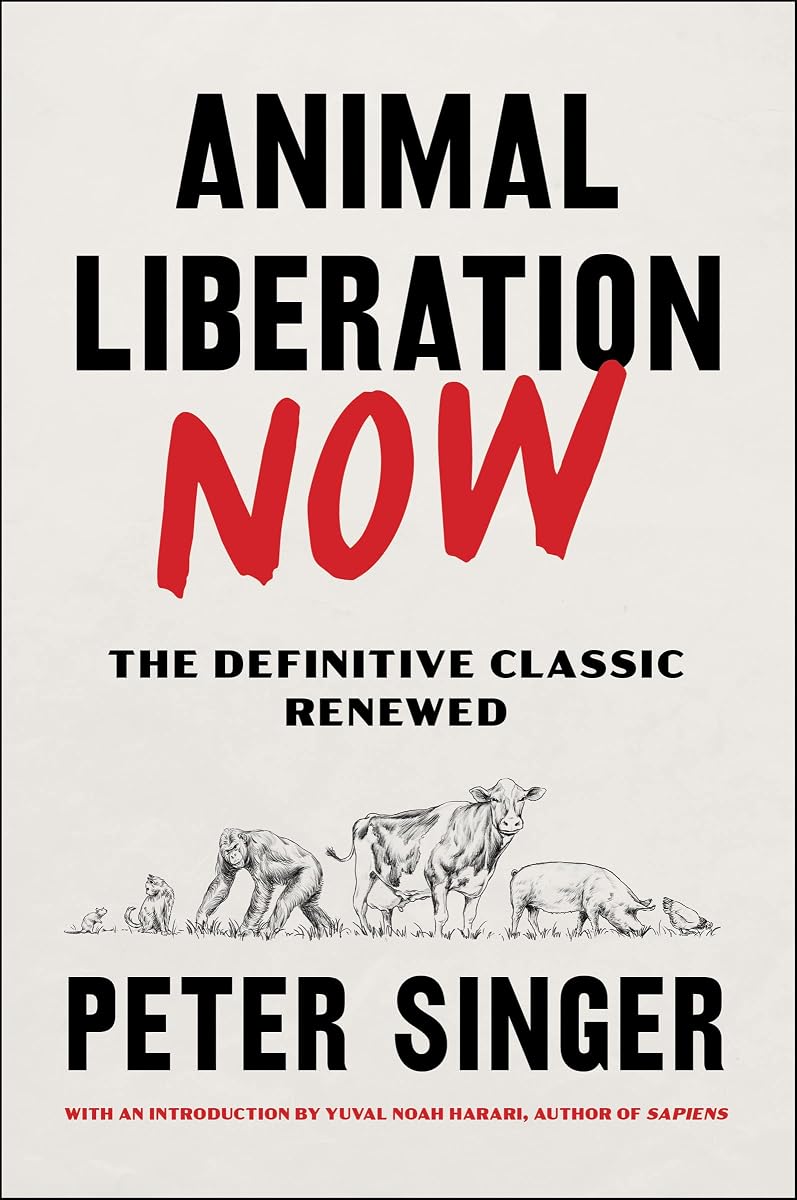
Peter Singer
Animal Liberation Now
Read Animal Liberation Now by Peter Singer, the updated 2026 definitive text on animal ethics that is worth it for serious consciousness-centered readers.

Rosetta: The Book That's Changing the Way We Look at Climate Change: Perfect for eco-conscious readers looking to understand the science and solutions for our changing climate.

Milkweed Editions
Braiding Sweetgrass
Braiding Sweetgrass by Robin Wall Kimmerer is a transformative indigenous wisdom guide that is a great value for those seeking ecological connection.
Compare alternatives to We Are the Weather: Saving the Planet Begins at Breakfast
Same category, similar or better score, at the same price or less.

Milkweed Editions
The Serviceberry: Abundance and Reciprocity
Discover The Serviceberry: Abundance and Reciprocity by Robin Wall Kimmerer, a transformative guide to gift economies that is the best choice for conscious readers in 2026.

Discover the ultimate guide to reducing waste and simplifying your life with this bestselling eco-friendly book, worth it for anyone committed to sustainability.
People also viewed
Recently reviewed books & media picks readers open next.

STEM Robotics
STEM Robotics Kit for Kids Ages 6+
STEM Robotics Kit for Kids Ages 6+ introduces coding and engineering basics, a hands-on gift best for budding inventors and future programmers.
Highlights High Five Activity Box for Little Kids is a screen-free monthly subscription best for ages 2–6, delivering puzzles, stories, and crafts that build early skills.

Butterfly EduFields
Butterfly EduFields STEM Kits for Kids Science Kits 6-8-10-13 Gift for Kids
The Butterfly EduFields STEM Kit is a hands-on science subscription-style box that makes learning fun and is best for curious kids ages 6–13 who love to build and experiment.

The Glocusent LED Neck Reading Light (2 Pack) is a rechargeable, hands-free book light that's best for reading in bed without disturbing a partner.
Read next on books & media
Best Books & Media for Family Read-Aloud Nights 2026: 6 Tech-Savvy & Screen-Free Picks Kids Actually Love
<p>When you're searching for the <strong>best Books & Media for family read-aloud nights 2026</strong>, the goal is simple: keep kids engaged, comfortable, and excited to turn pages instead of screens. Whether you're reading under a blanket fort, doing a science demo before bed, or letting a first-grader follow along with a finger, the right tools remove friction and invite everyone into the story.</p><p>We tested and researched options that blend traditional reading with just enough hands-on magic to hold short attention spans. From a rechargeable neck light that saves your eyes to a STEM robotics kit that makes storytime interactive, these picks are built for families who want read-aloud sessions to feel like a treat — not a chore. Every product here has been evaluated against our QuickRatey scoring system, which weighs quality, value, user experience, and brand trust.</p>
Kids' Book Subscription Boxes warranty exclusions in Books & Media, summarized: the 2026 cheat sheet
<p>Most parents buying a <strong>kids' book subscription box</strong> in 2026 check the reading level, the theme, and the price — then skim past a 27-line "Subscription Terms" page that quietly decides whether the $19.99-a-month box is protected at all. <strong>The warranty exclusions on kids' book subscription boxes are where the headline coverage actually disappears.</strong> A "100% Happiness Guarantee" can be voided by a broken publisher seal, an already-entered activity code, or a claim filed on day 31 instead of day 30. This cheat sheet summarizes the exclusions that matter, the numbers behind them, and the exact language to look for before you click subscribe in the United States.</p>
Single-Occupant Reusable Bookmarks vs Multi-Packs vs Luxury Bookmark in Books (2026) — side-by-side
<p>If you live alone or read one book at a time, a 12-pack of bookmarks is not a bargain — it is <strong>single-occupant reusable bookmarks</strong> math flipped upside down. The average U.S. solo household buys 7.4 bookmarks per year and loses 5 of them, according to consumer-waste tracking by established product-testing outlets, which means the "value" multipack is really a slow-motion drawer filler. In 2026, the smarter move is sizing your bookmark purchase to your actual reading life: one reader, one active book, one durable marker.</p><p>This side-by-side compares three formats that dominate the single-reader shelf — magnetic clip bookmarks, vegetable-tanned leather markers, and solid-brass page weights — on real numbers: unit cost, lifespan, spine safety, and the exact point where a family multipack becomes waste. We tested against materials standards like REACH (for leather finishes), ASTM F963 (for any magnet strength claims), and U.S. Consumer Product Safety Commission guidance on small-magnet hazards.</p>
Kids' Book Subscription Boxes That Publish Tier-2 Supplier Lists: What They Reveal in 2026
<p>Most parents shopping for a kids' book subscription box in 2026 weigh the same three things: reading level, delivery cadence, and price per book. Almost none of them ask the question that actually determines what arrives in the mailer — who printed it, on what paper, with which inks, and under what labor conditions. That information lives in a tier-2 supplier list, and a small but growing number of brands publish it.</p><p>Kids' book subscription boxes with tier-2 supplier lists are still the exception, not the rule. But when a brand does disclose them, the list becomes a diagnostic tool. It shows whether the "printed on recycled paper" badge has a mill behind it, whether the ink chemistry is soy- or petroleum-based, and whether the bindery is a named facility you can research — or an anonymous "partner." This framework walks you through reading those lists like an auditor, not a shopper.</p>
Explore related pages
Shopper toolkit
Four checks before you buy anything
Scores and rankings narrow the field, but the right choice depends on your own needs. Use these checks on any product you find here.
Confirm the fit
Check size, compatibility and the exact variant against how you will actually use it.
Price the full cost
Add shipping, refills, accessories and subscriptions — the sticker price is rarely the total.
Verify the claims
Look for named certifications and test results; treat unverified marketing words with caution.
Read the drawbacks
A recorded drawback helps you decide; a missing one is not proof the product has none.
How to use QuickRatey
- 1
Search or browse
Start from a category, budget or buyer profile.
- 2
Compare side by side
Add up to four products and weigh scores against your priorities.
- 3
Check the retailer
Prices and stock change — confirm details at checkout.
- Quality30%
- Value25%
- User Experience25%
- Brand & Trust20%
Default weights; some categories adjust them where a factor matters more.
Scores are our editorial assessment from available information, not a guarantee of performance.
