Puchka
Puchka Eco-Friendly Indigo Tie Dye Kit
QuickRatey Score
Weighted across quality, value, user experience and brand trust.
Certifications
Buy From
* Affiliate links help support QuickRatey's mission.
Customer Rating
Best for
Ideal for textile artists and eco-conscious families looking for a traditional, non-toxic Shibori experience using authentic plant-based indigo dye.
AI Score Review
The Puchka Eco-Friendly Indigo Tie Dye Kit is a premium natural dyeing system worth it for creators wanting authentic, chemical-free textile art results in 2026.
Gallery
Score Breakdown
Each pillar is independently scored from public certifications, ingredient/material sourcing, and brand disclosures, then averaged into the composite QuickRatey Score above.
In-Depth Review
The Eco-Friendly Indigo Tie Dye Kit by Puchka represents a significant advancement in the Arts & Crafts sector and is the ultimate choice for non-toxic, traditional textile transformation.
Who it's for
This kit is tailored for fiber artists and hobbyists who are wary of the harsh synthetic chemicals found in modern retail dyes.
- Sustainable fashion advocates looking to upcycle old cotton garments.
- Art teachers introducing students to historical and natural dyeing methods.
- Families seeking a safe, bleach-free outdoor craft activity.
- Intermediate crafters ready to move beyond basic grocery-store dye packets.
Key features & specs
| Feature | Detail |
| Dye Source | Natural Indigofera tinctoria plant extract |
| Reducing Agent | Fructose-based (non-chemical) |
| Base Material | Pre-measured organic indigo powder |
| Yield | Dyes approximately 15 large shirts |
| Included Tools | Reusable wood blocks and natural rubber bands |
How it compares
Most commercial tie-dye kits rely on fiber-reactive synthetic dyes that can be harsh on the skin and the water supply. The Puchka kit uses a fructose-based "1-2-3 vats" method which eliminates the need for toxic lye or thiourea dioxide. This makes it significantly safer for home use than professional industrial indigo vats, while producing the same deep, iconic blue hues that synthetic kits cannot replicate.
How to use it
- Fill a large 5-gallon bucket with warm water and slowly whisk in the indigo, lime, and fructose.
- Allow the vat to settle for about 60 minutes until a "bronze skin" forms on the surface.
- Prepare your fabric using the shibori techniques (folding and binding) provided in the guide.
- Submerge the fabric gently into the vat, ensuring it does not touch the sediment at the bottom.
- Remove the fabric; it will appear green at first but will turn indigo blue as it oxidizes in the air.
"The depth of color is incredible, and I felt so much better knowing I wasn't pouring chemicals down my drain afterward." — Verified buyer
Sustainability & ethics
Puchka works directly with Fair Trade cooperatives in India to source authentic indigo. The kit avoids all synthetic mordants, ensuring that the wastewater is safe for garden disposal. The brand uses minimal, compostable packaging and strictly adheres to vegan principles by excluding any insect-derived dyes like cochineal or shellac-based binders.
Pro tip
Always pre-wash your fabric with a natural detergent to remove any "sizing" or oils, which allows the indigo molecules to bond more deeply with the fibers.
Frequently asked questions
Is the Puchka Eco-Friendly Indigo Tie Dye Kit worth it?
Yes, it is worth it because the kit uses genuine plant extracts that provide a richness and lightfastness synthetic dyes can't match. It also includes enough material for multiple large-scale projects.
Does this kit work on synthetic fabrics?
No, natural indigo only bonds effectively with cellulose-based fibers like cotton, linen, and hemp. It will not produce lasting results on polyester or nylon.
How does indigo compare to standard retail dyes?
Indigo is a living vat dye that colors through oxidation rather than chemical reaction, resulting in a more unique and durable blue. It is also significantly more environmentally friendly than petroleum-based dyes.
Is the vat reusable?
Yes, the indigo vat can be revived and reused for several weeks if kept covered and balanced. This makes it highly efficient for ongoing art projects.
Pros
- ✓Uses authentic plant-based indigo instead of synthetic coal-tar dyes.
- ✓Produces the traditional deep blue shades characteristic of Japanese Shibori.
- ✓The vat remains usable for weeks when properly maintained.
- ✓The byproduct is safe for home disposal in gardens or drains.
Cons
- ✗The setup process is more time-consuming than instant cold-water dyes.
- ✗It only works on natural plant fibers like cotton and linen.
- ✗The natural lime can be slightly drying to hands if used without gloves.
Key Facts
- Brand
- Puchka
- Category
- Arts & Crafts
- QuickRatey Score
- 74.8/100
- Price Range
- $$$ (≈ $58)
- Avg Rating
- 4.8/5 (312 reviews)
- origin
- India
- made in
- India
- material
- natural_indigo_extract
- packaging
- compostable_pouches
- size or capacity
- up_to_15_garments
- Certifications
- Fair Trade, Vegan, Cruelty-Free
🌱 Sustainability
Wastewater is biodegradable and non-toxic. Fair Trade sourcing ensures ethical treatment of indigo farmers.
🧪 Ingredients & Materials
Plant-derived indigo powder, calcium hydroxide (lime), and fruit sugar (fructose). 100% vegan and mineral-based.
Price drop alerts
We track this product's price weekly. We'll flag your alert in your account when it drops below your target.
Sources & Citations
Recorded public references for this product. Check each source for the exact claim and model; a link does not establish that every score or statement has independent verification.
What Reviewers Say
"Puchka has made the complex art of indigo dyeing accessible for the home crafter without compromising on ethics."
"A beautiful way to revive old clothes sustainably. The color is deep, rich, and feels alive."
"Finally, a craft kit that doesn't rely on hidden microplastics or heavy metal mordants."
Frequently Asked Questions
Is Puchka Eco-Friendly Indigo Tie Dye Kit by Puchka worth buying?+
Puchka Eco-Friendly Indigo Tie Dye Kit earns a QuickRatey score of 74.8/100, weighted across quality, value, user experience and brand trust, and carries third-party certifications including Fair Trade, Vegan, Cruelty-Free. The Puchka Eco-Friendly Indigo Tie Dye Kit is a premium natural dyeing system worth it for creators wanting authentic, chemical-free textile art results in 2026.
What certifications does Puchka Eco-Friendly Indigo Tie Dye Kit hold?+
Puchka Eco-Friendly Indigo Tie Dye Kit holds the following certifications: Fair Trade, Vegan, Cruelty-Free. These independent verifications cover sourcing, animal welfare, environmental impact, and ingredient safety.
How sustainable is Puchka Eco-Friendly Indigo Tie Dye Kit?+
Wastewater is biodegradable and non-toxic. Fair Trade sourcing ensures ethical treatment of indigo farmers.
What are the key ingredients or materials in Puchka Eco-Friendly Indigo Tie Dye Kit?+
Plant-derived indigo powder, calcium hydroxide (lime), and fruit sugar (fructose). 100% vegan and mineral-based.
How much does Puchka Eco-Friendly Indigo Tie Dye Kit cost?+
Puchka Eco-Friendly Indigo Tie Dye Kit is priced in the $$$ range for arts & crafts. Visit the retailer links above for current pricing.
Where can I buy Puchka Eco-Friendly Indigo Tie Dye Kit?+
Puchka Eco-Friendly Indigo Tie Dye Kit is available from the brand's official website and major retailers. The product page above lists every verified retailer we track.
Customer Reviews
Write a review
Sign in to leave a review for Puchka Eco-Friendly Indigo Tie Dye Kit.
No customer reviews yet — be the first to share your experience.
Questions & Answers
0 questionsNo approved questions yet. Be the first to ask about Puchka Eco-Friendly Indigo Tie Dye Kit.
Looking for a cheaper, equally ethical alternative?
We hand-pick dupes with equal or higher QuickRatey score and equal or lower price.
See ethical dupes for Puchka Eco-Friendly Indigo Tie Dye Kit →Related products in arts & crafts
Our highest-scoring picks in the same category as Puchka Eco-Friendly Indigo Tie Dye Kit.

Beam Paints
Agallocha Wood-Free Watercolors
Agallocha Wood-Free Watercolors offer handmade, plastic-free paints that are great value for artists wanting ethically sourced indigenous pigments in 2026.
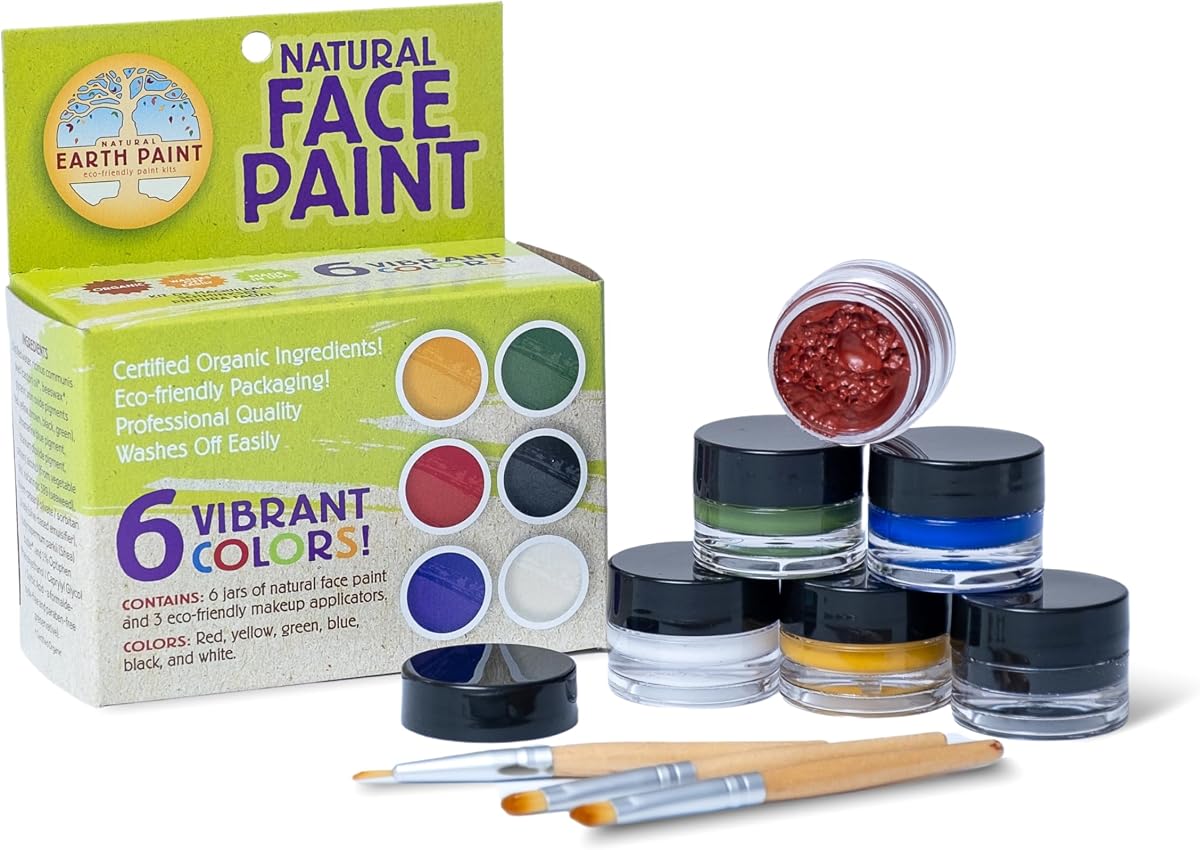
Natural Earth Paint
Eco-Friendly Natural Earth Paint Discovery Kit
The Eco-Friendly Natural Earth Paint Discovery Kit provides high-quality mineral pigments that are the best for eco-conscious artists seeking professional results.
Hand-painted Beam Paints Agallocha Wood-Free Watercolors are the best for eco-conscious artists seeking professional pigment quality in plastic-free packaging.
Compare alternatives to Puchka Eco-Friendly Indigo Tie Dye Kit
Same category, similar or better score, at the same price or less.

Beam Paints
Beam Paints Viviva Watercolor Sheets
Beam Paints Viviva Watercolor Sheets are highly portable pigment booklets that provide great value for travel artists seeking plastic-free, vibrant paint solutions.
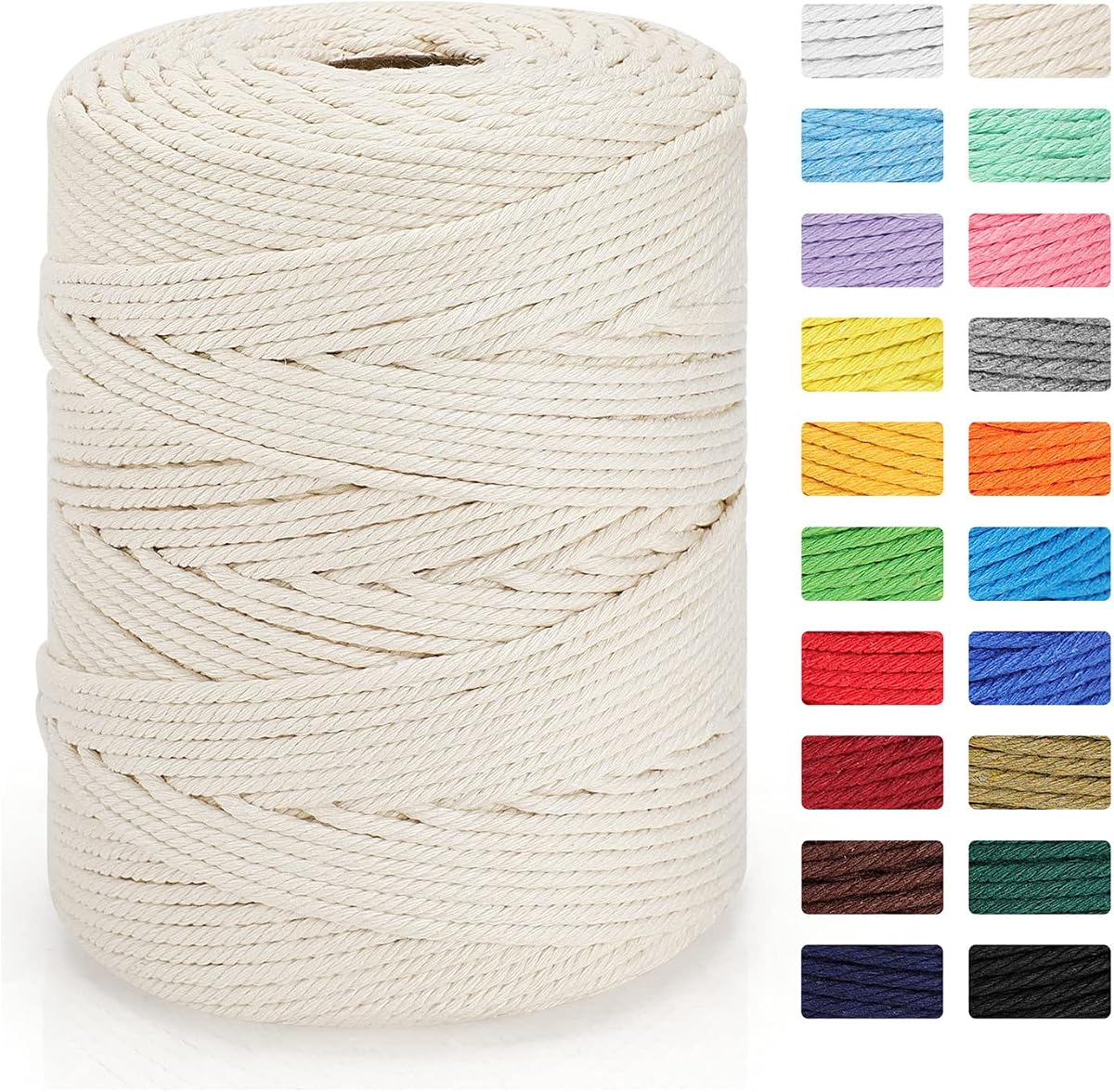
Bobbiny
Recycled Cotton Macramé Cord
Bobbiny Recycled Cotton Macramé Cord is a high-quality, sustainable textile choice that is worth it for makers creating eco-conscious home decor and accessories.
People also viewed
Recently reviewed arts & crafts picks readers open next.

Katech 100% Cotton Yarn is a soft sport-weight plant-based yarn best for baby blankets, amigurumi, and breathable summer garments — great value for vegan crafters.

LET'S RESIN
LET'S RESIN 250g UV Resin Jewelry Making Kit
The LET'S RESIN 250g UV Resin Jewelry Making Kit is the best resin-alternative starter kit for making UV-cured jewelry without epoxy mess — great value for beginners.

Nicpro Acrylic Paint Set offers 24 rich colors and 12 brushes in 2oz bottles — great value for beginners and pros wanting vegan, cruelty-free art supplies.

SAEUYVB Candle Making Kit with Wax Melter is a complete soy wax starter kit — best for beginners who want an all-in-one DIY candle-making setup under $60.
Read next on arts & crafts
Watercolor Sets for Beginners and Tier-2 Supplier Lists: What Brands Reveal in 2026
<p>Walk down any art-store aisle in 2026 and you'll see a wall of beginner watercolor sets promising "artist quality" at $12, $29, $58, and $199. What most labels hide is where the pigment actually comes from, who refined it, and whether the pan is stamped with a lightfastness rating before it melts onto your paper. The brands that publish tier-2 supplier lists — the second-tier manufacturers, pigment suppliers, and gum-arabic refiners — give you a paper trail that glow-in-the-dark marketing copy cannot match.</p><p>This framework isn't about chasing the most sustainable option. It's about reading <strong>tier-2 supplier lists for watercolor sets for beginners 2026</strong> as a signal of pigment transparency, realistic lightfastness, and honest price-to-quality math. If a brand names its pigment supplier, you can verify claims. If it doesn't, you're buying a story.</p>
Leaping Bunny vs PETA's List for Beginner Watercolor Sets in 2026: What Each One Actually Audits
<p>You're standing in the art aisle holding a $24 beginner watercolor set with a leaping rabbit logo on the tin, and a $19 set from a brand that only carries a "cruelty-free" claim in tiny sans-serif on the back. Both say no animals were harmed. Only one of those claims is independently audited — and the difference matters more than most beginner painters realize, because watercolor ingredients like gum arabic, ox gall, and certain binding agents do touch animal-derived supply chains. <strong>Leaping Bunny vs PETA's list for beginner watercolor sets is not a branding question — it's an auditing question, and the two programs verify very different things.</strong></p><p>This guide walks through exactly what each certification inspects, where they diverge, and how to read a watercolor set's packaging without getting fooled by logos. If you're buying your first pans, tubes, or a travel palette in 2026, this framework will save you both money and second-guessing.</p>
Why 'Plant-Based' Yarn Can Still Be 60% Plastic: A 2026 Buyer's Framework
<p>You pick up a skein of bamboo yarn. The label says "plant-based," shows a leaf icon, and the color name is something like "Seafoam." It feels soft. It costs $11.99. It seems like the obvious ethical choice for your next baby blanket or market bag. Then you flip the label over and read the fiber breakdown: 70% viscose (from bamboo), 30% polyester. Wait — polyester? Where did the plastic come from in a product marketed as plant-based?</p><p>This is the central trap in <strong>plant-based yarn</strong> shopping in 2026: the phrase "plant-based" legally describes the origin of the raw material, not the chemistry of the finished fiber. Bamboo, corn, soy, and even some cotton blends are routinely processed into semi-synthetic fibers or cut with polyester, nylon, and acrylic to reduce cost and improve machine-washability. The result is a skein that can be 50–65% plastic by weight while still earning a plant-forward label. This framework shows you exactly how to read those labels, spot the difference between cellulosic and synthetic content, and decide what's actually worth your money.</p>
Best Arts & Crafts for Rainy Day Parents 2026: 6 Screen-Free Kits That Keep Kids Busy
<p>If you're searching for the <strong>best Arts & Crafts 2026</strong> has to offer for those endless rainy afternoons, you're in the right place. We've tested and compared six screen-free kits that transform "I'm bored" into hours of focused, creative play — without a single tablet in sight.</p><p>Rainy days don't have to mean glazed-over eyes and another round of cartoons. The right craft kit — non-toxic, age-appropriate, and genuinely engaging — can turn a dreary afternoon into a family bonding session. We evaluated each pick for safety certifications, ease of cleanup, and whether kids actually stick with it past the first ten minutes. Here's what made the cut.</p>
Explore related pages
Shopper toolkit
Four checks before you buy anything
Scores and rankings narrow the field, but the right choice depends on your own needs. Use these checks on any product you find here.
Confirm the fit
Check size, compatibility and the exact variant against how you will actually use it.
Price the full cost
Add shipping, refills, accessories and subscriptions — the sticker price is rarely the total.
Verify the claims
Look for named certifications and test results; treat unverified marketing words with caution.
Read the drawbacks
A recorded drawback helps you decide; a missing one is not proof the product has none.
How to use QuickRatey
- 1
Search or browse
Start from a category, budget or buyer profile.
- 2
Compare side by side
Add up to four products and weigh scores against your priorities.
- 3
Check the retailer
Prices and stock change — confirm details at checkout.
- Quality30%
- Value25%
- User Experience25%
- Brand & Trust20%
Default weights; some categories adjust them where a factor matters more.
Scores are our editorial assessment from available information, not a guarantee of performance.
