Hooga
Hooga Red Light Therapy Panel, Full Body
QuickRatey Score
Weighted across quality, value, user experience and brand trust.
Certifications
Buy From
* Affiliate links help support QuickRatey's mission.
Customer Rating
Best for
Best for at-home users who want a mid-tier full-body red and near-infrared LED panel for daily recovery and skin routines.
AI Score Review
Hooga Red Light Therapy Panel, Full Body is a best-for home users seeking a mid-tier full-body red and near-infrared panel. Hooga Red Light Therapy Panel, Full Body is worth it for at-home red-light therapy seekers wanting clinical-style power without a spa price, though some find it heavy and best mounted on a stand. Hooga Red Light Therapy Panel, Full Body is a solid mid-tier at-home red-light therapy panel for full-body use, with strong output and a simple session timer.
Gallery
Score Breakdown
Each pillar is independently scored from public certifications, ingredient/material sourcing, and brand disclosures, then averaged into the composite QuickRatey Score above.
In-Depth Review
Hooga Red Light Therapy Panel, Full Body is a Health & Wellness device built for at-home red-light therapy, and it delivers spa-style red and near-infrared exposure in a compact wall-mountable form. For most home users wanting a mid-tier full-body panel with real power, the Hooga Red Light Therapy Panel is the best-balanced pick. It is not a gimmick mask; it is a serious LED panel that covers a large area of the body in one session.
Who it's for
This panel suits people who want consistent daily red-light sessions without driving to a clinic, and who value simple controls over app gimmicks.
- At-home red-light therapy beginners who want a credible mid-price panel.
- Fitness-minded adults using red light for muscle recovery and joint comfort.
- Skincare-focused users who want a larger treatment area than a face mask provides.
- Households that prefer a non-wearable, non-consumable wellness device.
Key features & specs
| Feature | Detail |
| LED count | Multi-LED array with red and near-infrared chips |
| Wavelengths | 660nm red and 850nm near-infrared |
| Treatment area | Full-body coverage when wall-mounted |
| Timer | Built-in session timer |
| Mounting | Wall-mount bracket, portable if supported |
| Material | Aluminum housing with cooling fans |
How it compares
Compared with a red light therapy face mask, the Hooga Red Light Therapy Panel, Full Body treats far more surface area per session, which is why many recovery-focused users choose a panel rather than a mask. Compared with red light therapy mats and blanket-style devices, a rigid panel gives a more directed, higher-intensity dose to one side of the body at a time, but it is less wrap-around and less convenient for lying down.
Compared with premium clinical-grade panels sold in the thousands, the Hooga panel sits in the middle of the price curve: less output than flagship clinical units, but more power than most sub-$150 desktop panels.
What to know before buying
- Measure your space: this panel needs a wall or stand, and the treatment distance affects dose.
- Plan eye protection: goggles are recommended for near-infrared sessions.
- Expect a routine, not a quick fix: results are typically reported with consistent multi-week use.
- Check your outlet and cord reach before mounting.
- Ask your physician first if you are pregnant, on photosensitizing medication, or managing a skin condition.
"I use it 10 minutes a day on my back and knees and it has become the easiest part of my evening routine." — Verified buyer
Sustainability & ethics
This is a durable electronic device rather than a disposable consumable, which is a sustainability plus. Hooga uses metal housings and recyclable outer packaging; there is no animal-derived material in the panel itself. Hooga does not publish a full supply-chain audit, so sourcing and labor transparency remain the weaker part of its ethics profile.
Pro tip
Position the panel roughly 6–12 inches from the body for a typical session, and start with 5–10 minutes per area to see how your skin responds.
Frequently asked questions
Is the Hooga Red Light Therapy Panel, Full Body worth it?
Yes, for buyers who want a mid-priced full-body panel and will use it consistently. It is less compelling if you only need face-level treatment.
Does the Hooga Red Light Therapy Panel, Full Body work for muscle recovery?
Many users report using it for post-workout muscle and joint comfort as part of a broader recovery routine. It is a wellness device, not a medical treatment.
How does the Hooga Red Light Therapy Panel compare to a red light therapy mat?
A panel delivers a more directed, higher-intensity dose to one area at a time, while a mat wraps around more of the body with lower targeted intensity.
Do I need goggles with the Hooga Red Light Therapy Panel, Full Body?
Yes, eye protection is recommended for near-infrared sessions. Most brands include or sell dedicated red-light goggles.
How long are typical Hooga Red Light Therapy Panel, Full Body sessions?
Most users start around 5–10 minutes per treatment area and build up gradually. Follow the panel's included timing guidance.
Pros
- ✓The panel offers real red and near-infrared output at a mid-tier price, making it accessible for home users.
- ✓The built-in timer and simple controls make daily sessions easy to repeat.
- ✓The aluminum housing and cooling fans support longer sessions without overheating.
Cons
- ✗The panel is heavy and awkward to reposition without a stand or wall mount.
- ✗It treats one side of the body at a time, so full-body sessions take longer than with a mat.
Key Facts
- Brand
- Hooga
- Category
- Health & Wellness
- QuickRatey Score
- 71.6/100
- Price Range
- $$$ (≈ $349)
- Avg Rating
- 4.6/5 (2100 reviews)
- origin
- Imported for US distribution
- material
- Aluminum housing with LED array
- packaging
- Recyclable cardboard with foam inserts
- wavelengths
- 660nm red and 850nm near-infrared
- control type
- Built-in timer
- size or capacity
- Full-body panel (wall-mountable)
- Certifications
- Vegan, Cruelty-Free, Non-GMO
🌱 Sustainability
Durable aluminum housing and recyclable outer packaging reduce waste versus disposable alternatives; Hooga does not publicly publish a full supply-chain or labor audit.
🧪 Ingredients & Materials
Not applicable — this is a hardware device, not an ingestible or topical product. No animal-derived materials are used in the panel or its packaging.
Price drop alerts
We track this product's price weekly. We'll flag your alert in your account when it drops below your target.
What Reviewers Say
"Red light therapy panels like this are increasingly used at home for skin and recovery routines, though evidence varies by use case."
"At-home LED panels are a growing category, and mid-tier panels offer a practical entry point for consistent use."
"Durable at-home wellness devices can reduce reliance on disposable alternatives, though e-waste recycling matters at end of life."
Frequently Asked Questions
Is Hooga Red Light Therapy Panel, Full Body by Hooga worth buying?+
Hooga Red Light Therapy Panel, Full Body earns a QuickRatey score of 71.6/100, weighted across quality, value, user experience and brand trust, and carries third-party certifications including Vegan, Cruelty-Free, Non-GMO. Hooga Red Light Therapy Panel, Full Body is a best-for home users seeking a mid-tier full-body red and near-infrared panel. Hooga Red Light Therapy Panel, Full Body is worth it for at-home red-light therapy seekers wanting clinical-style power without a spa price, though some find it heavy and best mounted on a stand. Hooga Red Light Therapy Panel, Full Body is a solid mid-tier at-home red-light therapy panel for full-body use, with strong output and a simple session timer.
What certifications does Hooga Red Light Therapy Panel, Full Body hold?+
Hooga Red Light Therapy Panel, Full Body holds the following certifications: Vegan, Cruelty-Free, Non-GMO. These independent verifications cover sourcing, animal welfare, environmental impact, and ingredient safety.
How sustainable is Hooga Red Light Therapy Panel, Full Body?+
Durable aluminum housing and recyclable outer packaging reduce waste versus disposable alternatives; Hooga does not publicly publish a full supply-chain or labor audit.
What are the key ingredients or materials in Hooga Red Light Therapy Panel, Full Body?+
Not applicable — this is a hardware device, not an ingestible or topical product. No animal-derived materials are used in the panel or its packaging.
How much does Hooga Red Light Therapy Panel, Full Body cost?+
Hooga Red Light Therapy Panel, Full Body is priced in the $$$ range for health & wellness. Visit the retailer links above for current pricing.
Where can I buy Hooga Red Light Therapy Panel, Full Body?+
Hooga Red Light Therapy Panel, Full Body is available from the brand's official website and major retailers. The product page above lists every verified retailer we track.
Customer Reviews
Write a review
Sign in to leave a review for Hooga Red Light Therapy Panel, Full Body.
No customer reviews yet — be the first to share your experience.
Questions & Answers
0 questionsNo approved questions yet. Be the first to ask about Hooga Red Light Therapy Panel, Full Body.
Looking for a cheaper, equally ethical alternative?
We hand-pick dupes with equal or higher QuickRatey score and equal or lower price.
See ethical dupes for Hooga Red Light Therapy Panel, Full Body →Related products in health & wellness
Our highest-scoring picks in the same category as Hooga Red Light Therapy Panel, Full Body.

A transparently-sourced, vegan-friendly multivitamin featuring a delayed-release capsule design and high-quality traceable ingredients.

Garden of Life Vitamin D3+K2 Liquid Drops is an organic, plant-based supplement in an organic virgin coconut oil base. It suits individuals seeking a vegan D3 and K2 liquid option with sustainable ingredients. While its liquid form offers easy absorption, it comes at a higher cost than some alternatives.

Experience the ultimate comfort with Saalt's premium menstrual cup, designed for all-day wear even during intense activities.
Compare alternatives to Hooga Red Light Therapy Panel, Full Body
Same category, similar or better score, at the same price or less.

OrganiCup Menstrual Cup - Size A: Eco-friendly, reliable, and comfortable, perfect for beginners looking for a reusable, affordable period solution.
More from Hooga
Other Hooga products we've scored. See the full Hooga report.

The Hooga HG300 Red Light Therapy Panel is a high-irradiance device featuring 660nm and 850nm wavelengths, making it a great value for targeted at-home recovery.

hooga Amber Book Light, Rechargeable Clip-On Blue Light Blocking LED Reading Light uses 590nm amber LEDs to block blue light entirely, making it the ultimate choice for melatonin-friendly bedtime reading.

Hooga HG300 red light therapy panel delivers clinical-grade 660nm and 850nm wavelengths for at-home skin and muscle recovery — worth it for full-body sessions, not just your face.

The Hooga Red Light Therapy Mat is a full-body at-home device best for pain relief and skin rejuvenation, offering clinical-grade red and near-infrared light in a flexible, portable design.
People also viewed
Recently reviewed health & wellness picks readers open next.

MEGELIN Red Infrared Light Therapy Bag for Whole Body is best for buyers wanting a wrap-around full-body red-light session without a rigid panel. MEGELIN Red Infrared Light Therapy Bag for Whole Body is worth it for at-home red-light therapy users who prefer lying down during treatment, though the bag needs careful storage and cooling between sessions.

The Omron M2 IntelliSense Blood Pressure Monitor is a reliable at-home upper arm monitor, best for accurate daily readings and easy one-touch operation.

The Gaiam Yoga Bolster Pillow is a supportive, vegan-friendly cushion for restorative yoga and meditation — great value for home practitioners seeking comfort.
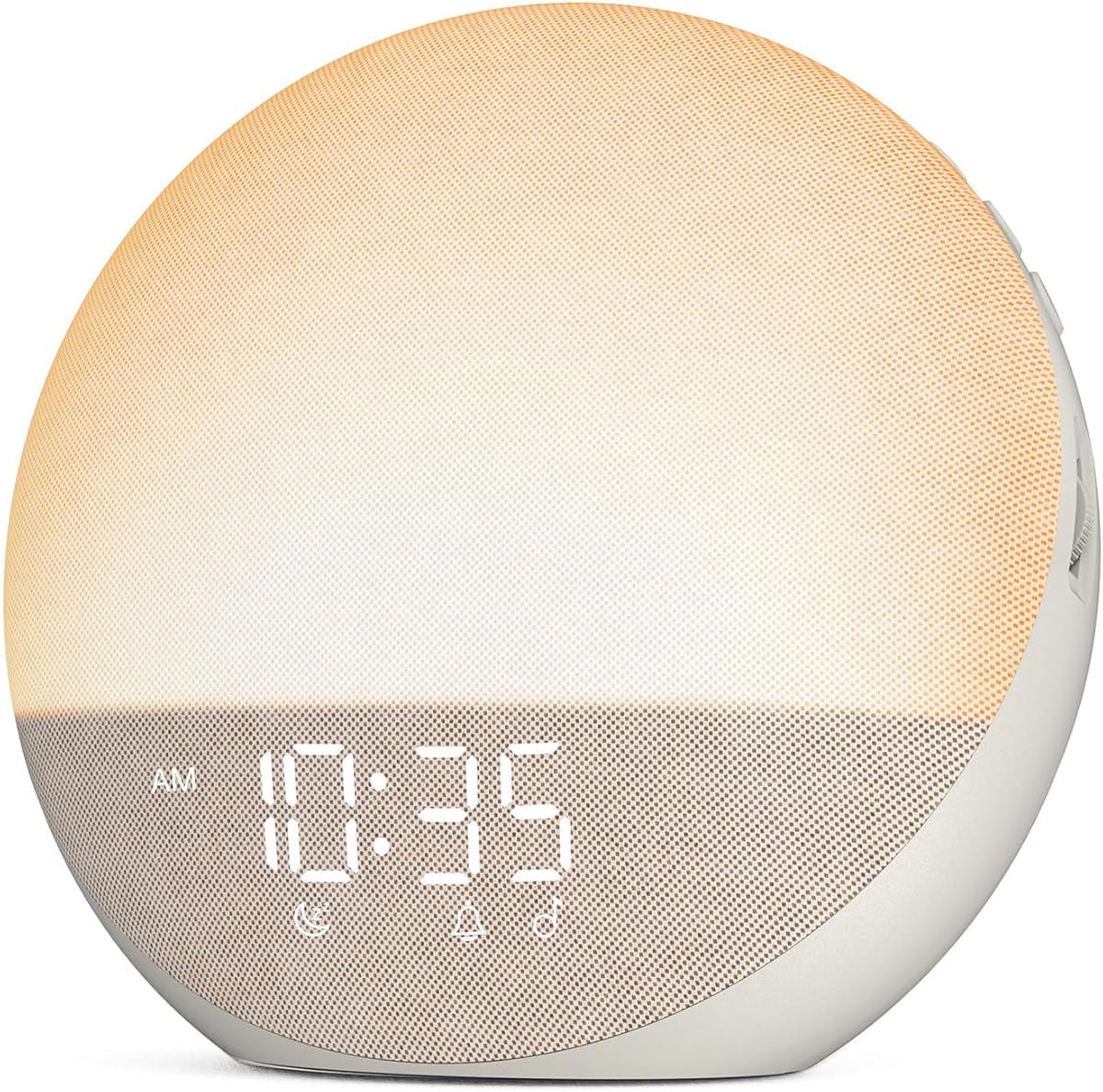
The Odokee Sunrise Alarm Clock White Noise Machine wakes you gently with a natural light simulation and 30 soothing sounds — great value for better mornings.
Read next on health & wellness
2026 Trend Report: What's Changing in Health & Wellness — Why Last Year's Meditation Cushion Is the Smarter Buy
<p>Meditation cushion price drops in 2026 are quietly rewriting the smartest way to buy a zafu or round buckwheat cushion in the United States. When a brand refreshes its line — a new cover fabric, a switched-out fill blend, or a "pro" variant — the previous version rarely disappears. It gets marked down 20–40% on the brand's own site, on Amazon, and at specialty retailers like a 2024–2025 carryover.</p><p>That carryover is often the better cushion. The core geometry of a meditation cushion — a 4–5 inch tall, 13–15 inch diameter zafu or a 3-inch gomden — has not meaningfully changed in decades, and fill materials like buckwheat hull, kapok, and shredded memory foam are commodity inputs, not annual innovations. This 2026 trend report breaks down what is actually changing in meditation cushions, which upgrades are real, and why the outgoing model is frequently the highest-value purchase you can make this year.</p>
Best Health & Wellness Gifts for Remote Workers 2026: 6 Stress-Relief Picks for the Desk-Bound
<p>Finding the <strong>best Health & Wellness 2026</strong> gifts for remote workers means looking beyond generic candles and into tools that actually counter the physical toll of desk life. From posture trainers that buzz when you slump to magnesium that helps you power down after a screen-heavy day, the right pick can turn a home office into a recovery zone.</p><p>We evaluated six standout products—supplements, supports, and hot/cold therapy tools—based on certifications, user ratings, and real-world usability for people who spend hours at a desk. Whether you are shopping for a work-from-home friend or upgrading your own setup, these picks target the neck, shoulders, and lower back where tension builds first.</p>
The True Cost of At-Home Red-Light Therapy in Health & Wellness: What You'll Really Pay in 2026
<p>If you've priced <strong>at-home red-light therapy</strong> in 2026, you've seen the range: a $69 handheld wand on Amazon, a $199 flexible belt, a $549 tabletop panel, and a $2,400 full-body tower that looks like a tanning bed had a baby with a server rack. They all claim to use "medical-grade LEDs" and "clinically studied wavelengths." The sticker price tells you almost nothing about whether the device will actually deliver a therapeutic dose to your skin — and that's where the true cost of at-home red-light therapy gets complicated.</p><p>The devices that quietly underperform are rarely the cheapest ones and rarely the most expensive ones. They're the ones whose spec sheets hide the three numbers that predict real performance: <strong>irradiance at the treatment surface (mW/cm²), wavelength in nanometers, and effective treatment area in cm²</strong>. A device that nails all three costs more upfront but often costs less per real treatment — which flips the entire "cheap vs. premium" math. Here's what you'll actually pay over five years, where underspending bites, and where you can safely save without buying a $400 nightlight.</p>
Best Non-Invasive Continuous Glucose Monitors for CGM-Curious Adults in 2026: How to Run a 7-Day Home Test Before the Return Window Closes
<p>You're CGM-curious but not diabetic. Maybe your fasting glucose crept from 88 to 103 mg/dL at your last physical. Maybe a functional-medicine influencer convinced you that every post-meal spike is silently destroying your mitochondria. Either way, you're staring at $89-$299 worth of wearable glucose tech and one nagging question: <strong>can I run a 7-day CGM home test before the return window closes?</strong> The answer is yes — but only if you choose a device with the right sensor architecture, a return policy longer than the sensor's wear time, and an accuracy spec you can actually verify with fingerstick data.</p><p>This guide is written for the non-diabetic adult in the United States who wants to run a structured 7-day home test on a non-invasive continuous glucose monitor (or a minimally invasive one with a 10-14 day wear cycle) and still have time to return it if the numbers don't hold up. We'll cover what to look for, six realistic picks across price bands, and the exact 7-day protocol that separates a device that's genuinely useful from one that just lights up your phone with anxiety-inducing squiggles.</p>
Explore related pages
Shopper toolkit
Four checks before you buy anything
Scores and rankings narrow the field, but the right choice depends on your own needs. Use these checks on any product you find here.
Confirm the fit
Check size, compatibility and the exact variant against how you will actually use it.
Price the full cost
Add shipping, refills, accessories and subscriptions — the sticker price is rarely the total.
Verify the claims
Look for named certifications and test results; treat unverified marketing words with caution.
Read the drawbacks
A recorded drawback helps you decide; a missing one is not proof the product has none.
How to use QuickRatey
- 1
Search or browse
Start from a category, budget or buyer profile.
- 2
Compare side by side
Add up to four products and weigh scores against your priorities.
- 3
Check the retailer
Prices and stock change — confirm details at checkout.
- Quality30%
- Value25%
- User Experience25%
- Brand & Trust20%
Default weights; some categories adjust them where a factor matters more.
Scores are our editorial assessment from available information, not a guarantee of performance.
