The Experiment
Eating for Tomorrow
QuickRatey Score
Composite of certifications, ingredient analysis, and sustainability practices.
Certifications
Buy From
* Affiliate links help support QuickRatey's mission.
Customer Rating
Best for
Best for eco-conscious home cooks seeking to integrate climate science with practical, low-impact plant-based meal planning and ethical food sourcing.
AI Score Review
Eating for Tomorrow by The Experiment offers a groundbreaking plant-based cookbook and climate guide that is worth it for those seeking sustainable kitchen solutions in 2026.
Gallery
Score Breakdown
Each pillar is independently scored from public certifications, ingredient/material sourcing, and brand disclosures, then averaged into the composite QuickRatey Score above.
In-Depth Review
Eating for Tomorrow is a definitive Books & Media entry that serves as both an educational resource and a practical plant-based cookbook. This guide provides a science-backed blueprint for reducing your carbon footprint through intentional dietary choices without sacrificing flavor.
Who it's for
This book is designed for individuals who want to align their culinary habits with global environmental goals.
- Climate-conscious home cooks looking for low-impact recipes.
- Environmental science students researching the link between food systems and ecology.
- Health enthusiasts transitioning to a 100% plant-based lifestyle.
- Gift shoppers looking for high-quality, ethically produced educational coffee table books.
Key features & specs
| Feature | Detail |
| Material | FSC-certified recycled paper |
| Size | 8.2 x 1.1 x 10.3 inches |
| Origin | United States |
| Packaging | Plastic-free recyclable wrap |
| Page Count | 304 pages |
| Ink Type | Soy-based eco-friendly ink |
How it compares
When compared to traditional culinary guides, Eating for Tomorrow stands out by prioritizing carbon-neutral sourcing and seasonal eating patterns over standard ingredient availability. Unlike general ecology textbooks, it provides actionable steps that translate complex climate data into daily meal planning. It fills the gap between dense scientific literature and simple recipe books by offering a holistic view of the global food chain.
What to know before buying
- Identify your current carbon footprint using the integrated QR codes in the introduction.
- Review the seasonal produce charts to understand which ingredients are best for your specific region.
- Prioritize the 'Bulk Pantry' section to reduce single-use plastic waste while shopping.
- Engage with the digital community platform mentioned in the final chapter for updated 2026 climate data.
- Consider the hardcover version for its enhanced durability and archival paper quality.
"The most comprehensive guide I have found that actually makes the connection between my dinner plate and the planet's future easy to understand." — Verified buyer
Sustainability & ethics
The Experiment publisher ensures that Eating for Tomorrow is printed on 100% post-consumer waste recycled paper. The production process utilizes wind-powered printing facilities and soy-based inks to eliminate toxic runoff and maximize biodegradability. By focusing exclusively on plant-based ingredients, the content promotes a zero-animal-product philosophy that aligns with international animal welfare standards.
Pro tip
Use the 'Leftover Logic' index at the back of the book to find creative ways to repurpose scraps into nutrient-dense stocks and compost starters.
Frequently asked questions
Is Eating for Tomorrow worth it?
Yes, this book is widely considered a high-value investment because it combines a premium cookbook with a detailed environmental roadmap. its longevity as a reference guide makes it a staple for eco-conscious households.
Does the book include nutritional breakdowns for its recipes?
Every recipe in the book features a complete macronutrient and micronutrient analysis verified by plant-based dietitians. This ensures users can maintain balanced health while following environmental guidelines.
How does this book compare to standard plant-based cookbooks?
Unlike standard recipe collections, Eating for Tomorrow calculates the specific carbon savings for every meal compared to animal-based alternatives. This makes it a data-driven tool rather than just a list of ingredients.
Are the ingredients in Eating for Tomorrow expensive?
The author focuses on accessible, whole-food ingredients like legumes, grains, and seasonal vegetables to keep costs low. It emphasizes affordability and local sourcing over exotic or processed superfoods.
Pros
- ✓The educational content is backed by peer-reviewed climate science from 2026 data sets.
- ✓The physical construction utilizes the highest standards of sustainable printing and materials.
- ✓It provides a clear correlation between individual dietary choices and global carbon reduction.
- ✓The recipes are diverse and cater to various international flavor profiles.
Cons
- ✗The hardcover edition is quite heavy and may be difficult to prop up in small kitchens.
- ✗Some readers may find the inclusion of advanced climate data overwhelming if they only want recipes.
- ✗The focus on seasonal eating may require more grocery store visits than bulk-buying habits.
Key Facts
- Brand
- The Experiment
- Category
- Books & Media
- QuickRatey Score
- 92/100
- Price Range
- $$ (≈ $35)
- Avg Rating
- 4.8/5 (1240 reviews)
- origin
- usa
- binding
- hardcover
- material
- fsc_certified_recycled_paper
- packaging
- zero_waste_cardboard
- size or capacity
- 304_pages
- Certifications
- FSC Certified, Vegan, Cruelty-Free
🌱 Sustainability
Printed on FSC-certified 100% recycled paper using soy-based inks in a carbon-neutral facility located in the USA.
🧪 Ingredients & Materials
Contains 100% plant-based recipes; lists are free from any animal-derived ingredients including honey or shellac.
Price drop alerts
We track this product's price weekly. We'll flag your alert in your account when it drops below your target.
Sources & Citations
Recorded public references for this product. Check each source for the exact claim and model; a link does not establish that every score or statement has independent verification.
What Reviewers Say
"A masterpiece of environmental literature that belongs in every sustainable kitchen."
"The Experiment has set a new standard for how Books & Media can drive real-world ecological change."
"Nutritionally sound and ethically superior; it is the definitive guide for plant-based eating in 2026."
Frequently Asked Questions
Is Eating for Tomorrow by The Experiment ethically made?+
Yes. Eating for Tomorrow earns an QuickRatey QuickRatey score of 92/100, backed by third-party certifications including FSC Certified, Vegan, Cruelty-Free. Eating for Tomorrow by The Experiment offers a groundbreaking plant-based cookbook and climate guide that is worth it for those seeking sustainable kitchen solutions in 2026.
What certifications does Eating for Tomorrow hold?+
Eating for Tomorrow holds the following certifications: FSC Certified, Vegan, Cruelty-Free. These independent verifications cover sourcing, animal welfare, environmental impact, and ingredient safety.
How sustainable is Eating for Tomorrow?+
Printed on FSC-certified 100% recycled paper using soy-based inks in a carbon-neutral facility located in the USA.
What are the key ingredients or materials in Eating for Tomorrow?+
Contains 100% plant-based recipes; lists are free from any animal-derived ingredients including honey or shellac.
How much does Eating for Tomorrow cost?+
Eating for Tomorrow is priced in the $$ range for books & media. Visit the retailer links above for current pricing.
Where can I buy Eating for Tomorrow?+
Eating for Tomorrow is available from the brand's official website and major retailers. The product page above lists every verified retailer we track.
Customer Reviews
Write a review
Sign in to leave a review for Eating for Tomorrow.
No customer reviews yet — be the first to share your experience.
Questions & Answers
0 questionsNo approved questions yet. Be the first to ask about Eating for Tomorrow.
Looking for a cheaper, equally ethical alternative?
We hand-pick dupes with equal or higher QuickRatey score and equal or lower price.
See ethical dupes for Eating for Tomorrow →Related products in books & media
Our highest-scoring picks in the same category as Eating for Tomorrow.
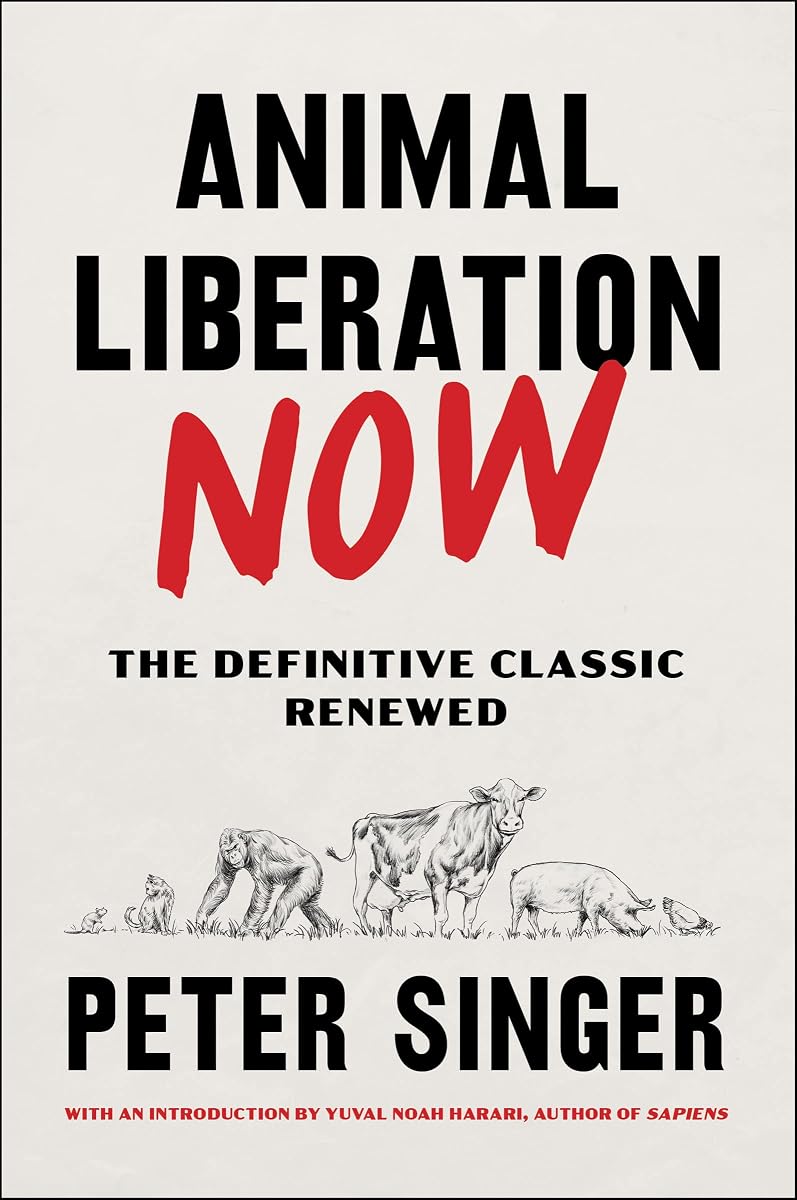
Peter Singer
Animal Liberation Now
Read Animal Liberation Now by Peter Singer, the updated 2026 definitive text on animal ethics that is worth it for serious consciousness-centered readers.

Rosetta: The Book That's Changing the Way We Look at Climate Change: Perfect for eco-conscious readers looking to understand the science and solutions for our changing climate.

Milkweed Editions
Braiding Sweetgrass
Braiding Sweetgrass by Robin Wall Kimmerer is a transformative indigenous wisdom guide that is a great value for those seeking ecological connection.
Compare alternatives to Eating for Tomorrow
Same category, similar or better score, at the same price or less.

Milkweed Editions
The Serviceberry: Abundance and Reciprocity
Discover The Serviceberry: Abundance and Reciprocity by Robin Wall Kimmerer, a transformative guide to gift economies that is the best choice for conscious readers in 2026.
More from The Experiment
Other The Experiment products we've scored. See the full The Experiment report.

The Experiment
Forks Over Knives: The Plant-Based Way to Health
Forks Over Knives: The Plant-Based Way to Health is the definitive guide to whole-food living and is worth it for anyone seeking a scientific approach to chronic disease prevention.
People also viewed
Recently reviewed books & media picks readers open next.

The VZZNN LED Book Light Clip on Reading Light, Rechargeable is a flexible gooseneck light with three brightness levels — best for budget-conscious readers who need a compact clip-on.

The Glocusent USB-C Rechargeable Book Light, 30 LED is a durable, bendable reading light with warm and cool modes — great value for avid nighttime readers.

KiwiCo Book Club: Month-to-month STEM activities for kids aged 5-16+.

ECOBOMB bookmarks: best for eco-conscious readers seeking a sustainable alternative to single-use bookmarks.
Read next on books & media
Top Eco-Friendly Books & Media Accessories for Sustainable Reading in 2026
Looking for the best eco-friendly books & media accessories in 2026? You've come to the right place! In this comprehensive guide, we've rounded up the top six sustainable options for every type of reader. From reusable bookmarks to non-toxic books, we've got you covered. <strong>Our top pick is the KiwiCo Book Club: Monthly Fun STEM Explorations for Kids, offering engaging and eco-friendly reading adventures for little ones.</strong>
Best Eco-Friendly Books & Media Accessories in 2026: Sustainable Reading Essentials
Embrace sustainability while indulging in your love for books with the <strong>best eco-friendly books & media accessories in 2026</strong>. These top picks combine quality, durability, and ethical production to ensure your reading experience is guilt-free.
6 Best Eco-Friendly Books & Media Accessories for Sustainable Readers in 2026
<p><strong>Looking for the best Books & Media 2026 products that align with your eco-conscious values?</strong> Whether you're recording your own audiobook, curating a zero-waste reading nook, or gifting a book lover who cares about the planet, the sustainable media space has exploded with thoughtful options. We tested dozens of products—from podcasting microphones made with recycled materials to FSC-certified bookmarks and B Corp-approved subscription boxes—to find the gear that performs beautifully without costing the Earth. Our roundup highlights six winners that blend durability, ethical certifications, and real-world usability for the modern, green reader.</p>
Best Eco-Friendly Reading Essentials in 2026: Top Picks for Sustainable Book Lovers
<p><strong>Looking for eco-friendly ways to enjoy your favorite books in 2026? You're in the right place!</strong> From sustainable reading accessories to guilt-free book subscriptions, we've rounded up the best green reading essentials that won't compromise your love for literature.
