Fast-Fashion Alternatives
Wardrobe basics from brands paying living wages and using GOTS-certified or recycled fibres — built to outlast a dozen fast-fashion equivalents.
TL;DR
The top pick in Fast-Fashion Alternatives for 2026 is KENT 100% Plant-Based Brief by KENT (98/100 ethics). Other standouts: The Esme One Piece, Classic Canvas Slip-On, Classic Slip-On.
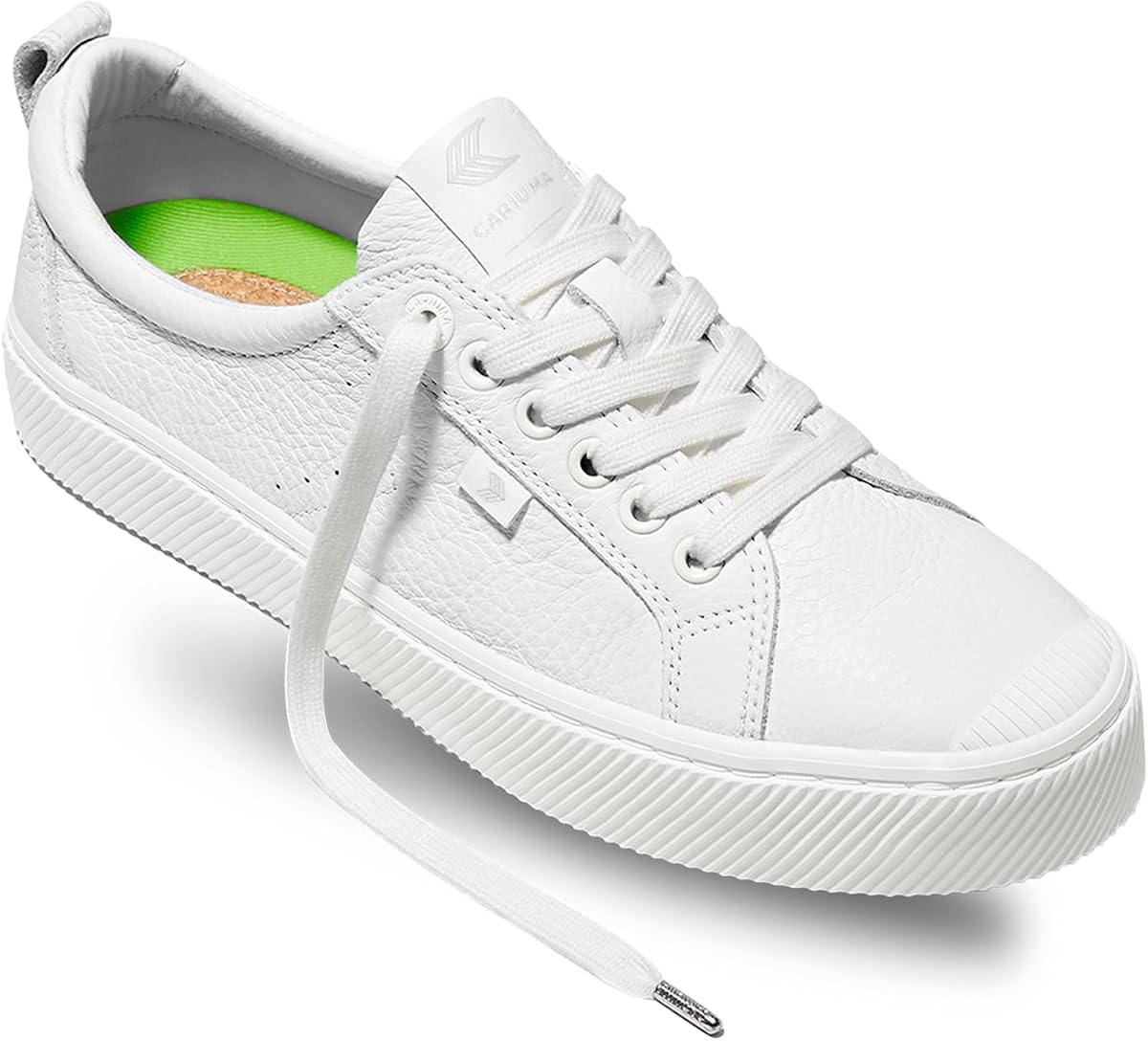
The Cariuma Wave Rider Cotton Canvas Sneaker offers a carbon-neutral footprint and superior comfort, making it worth it for eco-conscious urban explorers.

Everybody.World
Heavyweight Recycled Cotton Hoodie
Experience maximum comfort with the Heavyweight Recycled Cotton Hoodie by Everybody.World, and discover why it is worth it for long-lasting sustainable streetwear.

Girlfriend Collective
The Float Seamless Bra
The Float Seamless Bra by Girlfriend Collective offers lightweight support and a buttery-soft feel, making it worth it for all-day comfort and low-impact activities.

Pact Girls Pull-On Shorts are the best value for sustainable back-to-school wardrobes, offering GOTS certified organic cotton comfort for active daily school wear.

Outerknown
Men's Classic Organic Cotton Tee
The Men's Classic Organic Cotton Tee by Outerknown is a premium, coastal-inspired basic that is great value for those prioritizing Fair Trade labor and eco-friendly dyes.

The Pact Kids Organic Cotton Polo Shirt is an eco-friendly school staple and it is the best for parents seeking soft, chemical-free uniforms for sensitive skin.
About this collection
How is slow fashion different from fast fashion?+
Slow fashion prioritises durability, fair labour and lower-impact materials over speed and volume. Garments cost more upfront but typically last 5–10× longer per wear, making them cheaper per use.