TL;DR
Electromaps Electrolyte Hydration Powder leads in sustainability with organic and non-GMO ingredients. It's vegan-friendly and comes with strong ethical certifications. Plus, it offers great taste to boot.
In pursuit of a sustainable lifestyle, choosing eco-friendly food and nutrition products is a must. Best eco-friendly food and nutrition in 2026 cater to your health and environmental consciousness. This list rounds up the top green groceries to help you maintain a balanced, Earth-friendly diet.
🏆 How we picked
We evaluated products based on Quality (35%), Value (30%), User Experience (UX, 20%), and Brand (15%). We considered:
- Ingredients and certifications
- Eco-friendly packaging and manufacturing
- Taste and satisfaction
- Value for money
- User reviews and ratings
📈 At a glance
| Product | Best For | Score | Price | Top Cert |
|---|---|---|---|---|
| Electrolyte Hydration Powder - Lemon Lime - 15 Servings | Sports & active lifestyle | 87/100 | $$$ | Vegan, Cruelty-Free, EWG Verified, Non-GMO, FSC Certified |
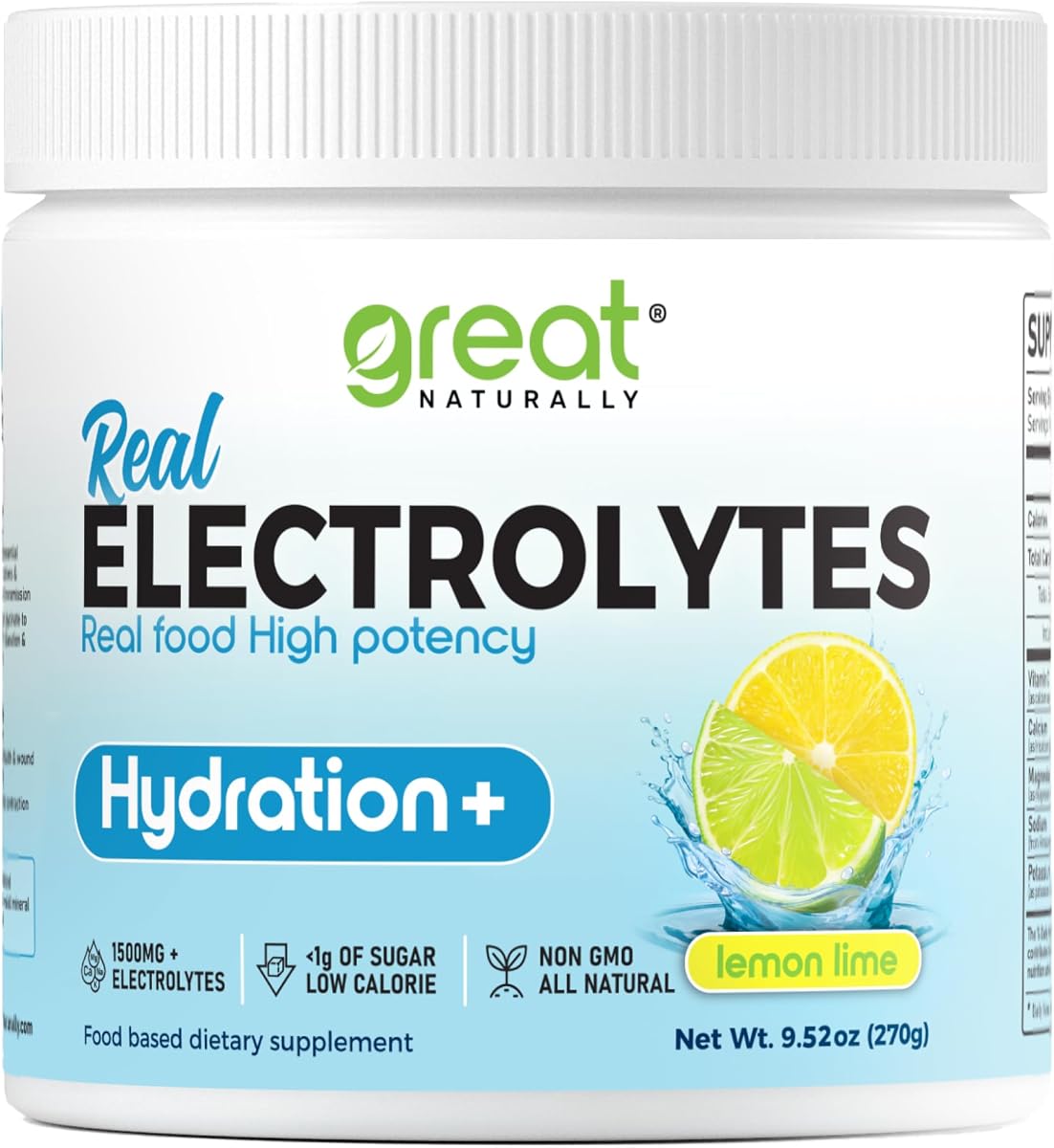
Electrolyte Hydration Powder - Lemon Lime - 15 Servings
Electromaps' Electrolyte Hydration Powder is an excellent choice for eco-conscious athletes. It's organic, non-GMO, and free from common allergens. Users praise its refreshing taste and hydration efficiency.
Pros
- Strong ethical certifications
- Great taste and hydration
- Free from common allergens
Cons
- Pricier compared to mainstream options
- Some users prefer more flavors
💡 Pro tip
Look for products with multiple ethical certifications to maximize your positive impact.
🛍️ How to choose the best eco-friendly food & nutrition
Choosing best eco-friendly food and nutrition involves balancing taste, nutrition, and environmental impact. Key considerations include:
- 🌿 Organic and non-GMO ingredients
- 🏭 Eco-friendly packaging and manufacturing
- 🍴 Taste and satisfaction
- 💰 Value for money
- 🗣 User reviews and ratings
Eco-friendly food choices can significantly reduce your carbon footprint and contribute to a healthier planet.
❓ Frequently Asked Questions
What are the best eco-friendly foods for sustainability?
Best eco-friendly foods for sustainability include organic, locally grown produce, whole grains, legumes, and ethically sourced protein. They minimize environmental impact and maximize nutritional value.
How to Choose the Best Eco-Friendly Groceries
Selecting truly sustainable food requires looking past clever marketing to examine how products are farmed, manufactured, transported, and packaged. When balancing health goals with environmental responsibility, evaluating the complete lifecycle of everyday groceries helps ensure your pantry genuinely reflects your ecological values.
To assess dietary staples, supplements, and packaged foods objectively, consider these essential evaluation criteria:
- Agricultural Standards and Soil Health: Prioritize farming practices that avoid synthetic chemical pesticides and genetically modified organisms. Methods emphasizing biodiversity and natural soil preservation protect local waterways from toxic runoff and help maintain microbial balance in the earth.
- Packaging Efficiency and Lifecycle: Sustainable packaging prioritizes renewable, post-consumer recycled, or compostable materials, such as certified paperboard. Minimizing excess outer wrap and reducing overall package weight directly lowers the fuel required for transport and curbs long-term landfill build-up.
- Third-Party Transparency: Credible independent verifications guarantee that environmental and ethical claims are rigorously vetted. Standards verifying fair labor conditions, cruelty-free processes, non-GMO status, and responsible forestry provide measurable accountability.
- Nutritional Density and Ingredient Purity: Sustainable food should nourish your body effectively. Scrutinize labels for clean formulations free from artificial fillers, synthetic colors, and unnecessary additives that dilute overall nutritional value.
- Transport Weight and Concentration: Consider the physical density of the product. Concentrated formats, such as dry powders and bulk grains, eliminate the transport of excess water, substantially reducing carbon emissions across distribution routes.
Comparing Eco-Friendly Grocery Selection Factors
Understanding the relationships between different grocery factors helps shoppers prioritize based on household routines, dietary restrictions, and personal budgets.
| Selection Factor | What to Look For | Environmental Impact | Practical Considerations |
|---|---|---|---|
| Farming Methods | Organic, non-GMO, and responsibly managed crops | Protects native pollinators, preserves topsoil, and prevents chemical runoff | Specialized cultivation practices can result in slightly higher retail prices |
| Packaging Material | Recyclable containers, post-consumer content, compostable pouches | Diverts persistent plastics from marine environments and municipal landfills | May require access to municipal recycling or specialized commercial compost facilities |
| Product Concentration | Dry powders, compact single-serve packs, and concentrated mixes | Dramatically reduces transportation emissions by eliminating water weight | Requires access to clean drinking water and measuring utensils for preparation |
| Third-Party Certification | Recognized seals verifying vegan, cruelty-free, or forestry standards | Guarantees compliance across ingredient sourcing and manufacturing lines | Smaller independent brands may follow green practices without paying for certification logos |
| Formulation Cleanliness | Recipes free from artificial additives, synthetic dyes, and common allergens | Encourages shorter, less chemically intensive ingredient supply chains | Minimal processing can sometimes result in natural variations in flavor or texture |
Common Mistakes When Shopping for Eco-Friendly Groceries
Even conscientious consumers can fall into common traps when trying to build a greener kitchen. Avoiding these frequent missteps will keep your ecological footprint low and your grocery spending practical.
- Falling for Unregulated Buzzwords: Phrases like "all-natural," "earth-inspired," or "green" often have no official legal definition. Relying on promotional phrasing rather than verified ingredient lists frequently leads to buying conventional items disguised by creative labeling.
- Overlooking Food Waste: Purchasing large quantities of eco-friendly fresh perishables only to discard them spoiled generates unnecessary greenhouse gases in landfills. Preventing waste at home is just as vital as buying organic goods at the store.
- Focusing Exclusively on Packaging: A product wrapped in compostable film made from intensively treated, chemically sprayed crops does not represent a true ecological win. Both the packaging material and the farming methods inside must be weighed together.
- Ignoring Transport Weight: Purchasing pre-mixed beverages in bulky glass or heavy plastic containers uses substantial transit fuel. Switching to concentrated powders or dissolvable mixes eliminates water weight and slashes transport emissions.
- Assuming Green Equals Wholesome: An organic seal does not automatically mean a product is nutritionally balanced. Highly processed snack items and sugary treats can carry organic credentials while offering limited nutritional benefit.
Practical Tips for an Earth-Conscious Pantry
Adopting sustainable grocery habits does not require replacing everything in your kitchen overnight. Gradual, deliberate adjustments create durable lifestyle shifts that benefit your household health and global ecosystems.
- Audit Your Daily Staples: Review the products you consume every single day, such as your hydration mixes, grains, and oils. Upgrading the staples you consume most frequently yields the largest cumulative environmental benefit.
- Favor Concentrated Formats: Whenever practical, choose powdered drink mixes, concentrated bases, and bulk dehydrated goods. Mixing them with filtered water at home cuts down on packaging volume and transit fuel.
- Master Proper Pantry Storage: Keep dry powders, bulk seeds, and grains in airtight containers stored in cool, dry places. Proper preservation protects active nutrients from degradation and prevents premature spoilage.
- Learn Key Certification Badges: Familiarize yourself with legitimate seals for non-GMO validation, cruelty-free manufacturing, vegan standards, and sustainable packaging materials to quickly spot authentic options on the shelf.
- Plan Meals Around Shelf Life: Keep quick-perishing foods to amounts you can finish within days, and rely on stable, certified pantry goods for reliable daily nutrition between shopping trips.
Frequently Asked Questions
How do powdered hydration mixes benefit the environment compared to bottled drinks?
Ready-to-drink beverages consist primarily of water, which adds substantial weight and physical volume during transit. Shipping heavy liquid containers requires far more fossil fuel per serving than transporting compact, dry powders. By choosing powdered mixes and adding tap or filtered water at home, you eliminate unnecessary single-use bottles and significantly lower transportation-related carbon emissions.
What should shoppers look for when checking packaging sustainability?
Shoppers should look for minimal total packaging volume, high percentages of post-consumer recycled content, and materials certified for responsible forestry practices. Additionally, look for clear on-pack recycling instructions rather than vague marketing statements claiming an item is environmentally friendly.
Can eating eco-friendly groceries remain cost-effective on a budget?
Focus your budget on high-frequency staples where ethical certifications deliver the highest impact, such as daily supplements, beans, and grains. Buying concentrated powders, choosing bulk pantry goods, and minimizing kitchen food waste often offsets the slightly higher upfront price of responsibly produced goods.
Why are non-GMO and organic certifications important for long-term ecological balance?
Non-GMO and organic farming standards restrict the use of synthetic chemical fertilizers and persistent chemical pesticides. These practices help safeguard soil biodiversity, protect natural groundwater reserves from toxic agricultural runoff, and prevent harm to vital pollinators like bees and butterflies, preserving ecological stability for future harvests.