⚡ TL;DR
A washable area rug home test is a 7-day sequence of controlled spills, a full machine wash on the coldest setting the care tag allows, and daily dry-time checks — all completed before the return window closes. Test a small corner first, photograph shrinkage and pile loss, and return the rug immediately if the backing flakes, colors bleed, or the rug fails to dry flat within 24 hours.
🧪 Why the "machine washable" label needs a home test
"Machine washable" is not a regulated claim on area rugs the way "organic" is under USDA rules. Any brand can print it. What varies wildly is whether the rug survives three washes, one wash, or half a wash before the backing turns to confetti in your dryer's lint trap. Consumer-testing outlets like Wirecutter and Good Housekeeping have repeatedly documented that some washable rugs lose significant pile, shrink by 3–6%, or develop permanent creases after a single cold-water cycle — even when the tag says it's safe.
That's why the home test matters. You have a return window. You don't have a second chance to un-spend $89 to $400 on a rug that looked fine in the listing photo. The test treats your rug like a product under evaluation, not a commitment.
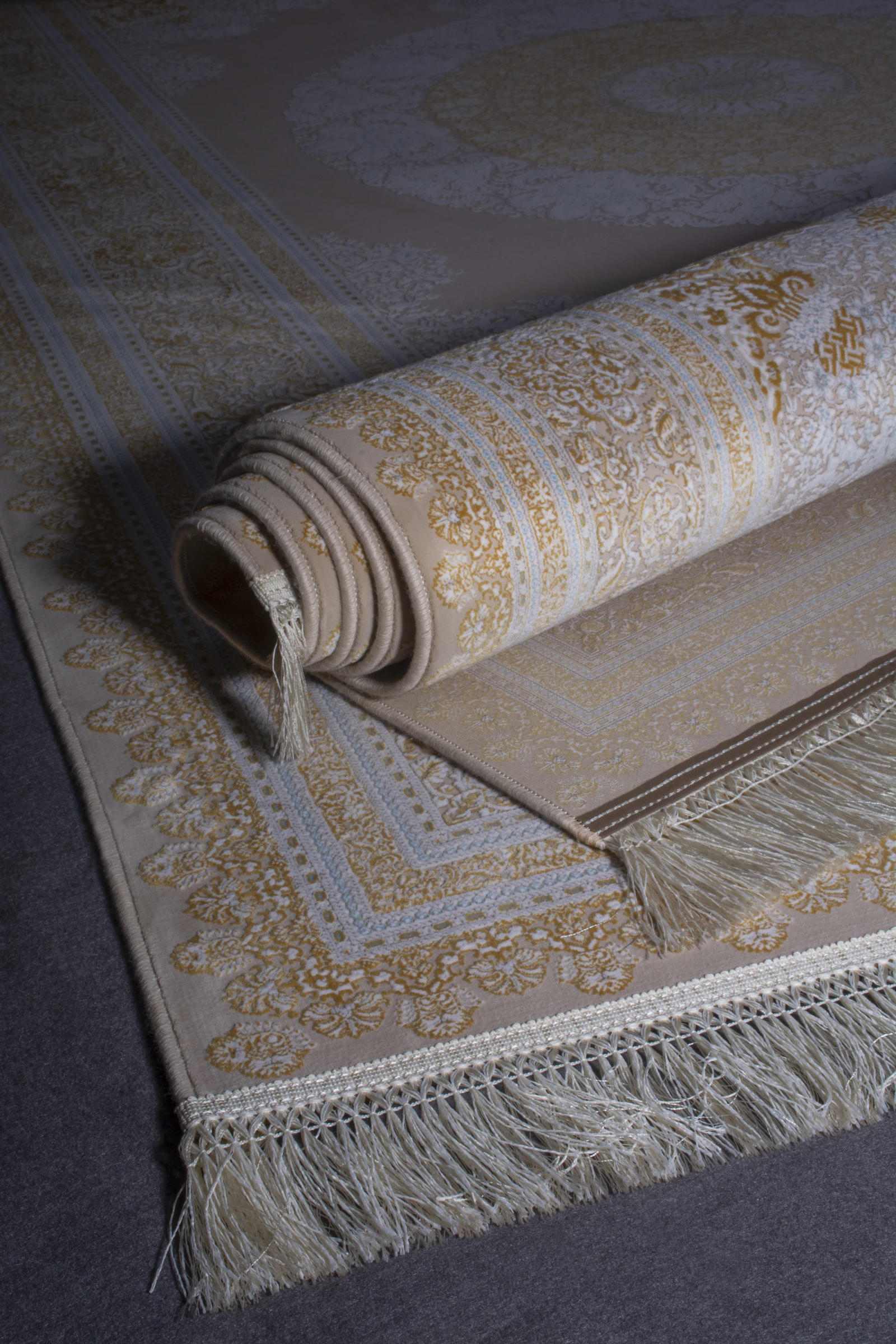
📋 The 7-day framework
The framework is called SWATCH: Spill, Wash, Assess, Track, Compare, Handle, Decide. It sounds lightweight, but each step maps to a specific return-window deadline. Day 1 is setup. Day 2 is the controlled spill test. Day 3 is the first wash. Days 4–5 are dry and recovery checks. Day 6 is the comparison against the listing claims. Day 7 is the go/no-go call while you still have return shipping options.
The order matters because some failures only show up after the rug has been agitated in water. A rug that looks pristine dry can release backing glue, bleed indigo dye onto a white towel, or shrink enough that the 5x7 you bought no longer fits under your coffee table. You want that discovery on Day 3, not Day 28.
Run the entire test on the rug alone — no pad underneath during the wash cycle — so you're evaluating the rug, not its accessories. Add the pad back on Day 6 to test the full system.
- Day 1 — Set up and document: Lay the rug flat for 24 hours, photograph all four corners against a tape measure, and log the exact dimensions and pile height.
- Day 2 — Controlled spill: Pour 1/4 cup of room-temperature coffee on a discreet corner, blot, and note whether the stain lifts with water alone.
- Day 3 — First wash: Follow the care tag exactly; use cold water and a mild detergent (no fabric softener, no bleach); photograph the drum and lint filter after the cycle.
- Day 4 — Dry check: Lay flat to dry or tumble low per tag; measure moisture at 8, 12, and 24 hours; note any curling or backing delamination.
- Day 5 — Re-measure: Re-photograph corners against the tape measure and log shrinkage percentage and pile loss.
- Day 6 — Pad test: Place the recommended pad underneath and confirm the rug stays flat under foot traffic for at least 4 hours.
- Day 7 — Decide: Compare your logged results against the listing claims and return if any hard-fail threshold is crossed.
A washable rug that can't survive its first wash isn't washable — it's a one-cycle rental you paid full price for.
🔬 What to look for
The table below maps observable signals to what they mean for long-term durability and to the specific verification method. Use it as your Day 3–5 scoring sheet.
| Signal | What it means | How to verify |
|---|---|---|
| Backing flakes or powders in the lint trap | The adhesive latex or TPR backing is breaking down | Inspect the dryer lint screen and the washer drum drain filter after the first cycle |
| Dye transfer onto a white towel | Poor colorfastness; will bleed onto hardwood or grout | Press a damp white cotton towel onto the wet rug for 60 seconds post-wash |
| Corner curl over 1/4 inch | Backing is losing memory; trip hazard and visual fail | Measure gap between rug corner and floor after 24 hours flat-drying |
| Shrinkage over 3% in either dimension | Fiber weave is not pre-shrunk; rug will no longer fit the space | Tape-measure length and width against Day 1 photos |
| Shedding after the third dry-vacuum | Pile fibers are short-staple or poorly tufted | Vacuum the rug on low suction three times; count fiber mass in the canister |
| Residual odor after 24 hours dry | Trapped moisture or off-gassing from backing chemicals | Smell the rug at floor level after full dry; check for a CRI Green Label Plus tag |
⚠️ What to avoid
- ⚠️ Washing the full rug before testing a corner. A full first wash commits the rug to a cycle; a corner spot-wash reveals dye stability at a fraction of the risk.
- ⚠️ Using warm or hot water because "it gets cleaner." Heat accelerates backing delamination and shrinkage on most TPR and latex-backed washable rugs.
- ⚠️ Fabric softener or dryer sheets. These coat fibers and reduce the water repellency that many washable rugs depend on for stain release.
- ⚠️ Tumble-drying on high heat to save time. High heat is the single most common cause of corner curl on polyester-backed rugs; low or no heat is the standard.
- ⚠️ Removing the care tag or original packaging. Many U.S. retailers require both for a full refund; losing them can downgrade you to store credit.
- ⚠️ Running the test past day 14 of a 30-day return window. If the rug fails, you need buffer days for repackaging and shipping label turnaround.
💡 Pro tip
Photograph the rug's care tag next to a coin for scale on Day 1. If the rug fails and you need to open a return dispute, a timestamped photo of the exact washing instructions plus your logged wash settings is the single most effective piece of evidence a customer-service rep can act on without escalation.
🏷️ Certifications that actually matter
Washable rug labels throw around a lot of logos. These are the ones that map to real, auditable standards relevant to a rug you'll put on the floor and run through a machine:
- 🔬 OEKO-TEX Standard 100: Tests finished textiles for harmful substances like formaldehyde and heavy metals; relevant because rug fibers sit against skin and release particles into home air.
- 🌿 GOTS (Global Organic Textile Standard): Covers organic fiber content, processing chemistry, and wastewater treatment; only meaningful if the rug is cotton, wool, or another natural fiber — polyester rugs cannot be GOTS certified.
- 💧 CRI Green Label Plus: The Carpet & Rug Institute's low-VOC emission program for carpet and rug backing; directly relevant to that "new rug smell" that lingers after washing.
- ♻️ GRS (Global Recycled Standard): Verifies recycled content claims in polyester and PET rugs; useful when a brand claims "made from recycled bottles" without naming the chain of custody.
- 🪵 FSC (Forest Stewardship Council): Only relevant if the rug uses latex tapped from managed forests or ships on FSC-certified packaging; not a fiber-safety certification.
⚠️ Watch out
"Washable" and "machine washable" are not the same. Some brands label a rug "washable" while the fine print specifies spot-clean only or professional laundering. Read the actual care tag, not the marketing badge on the packaging — and screenshot both before your first wash.
❓ Frequently Asked Questions
💧 How to wash a washable rug without ruining it?
Wash on the coldest setting your machine offers, use a mild liquid detergent with no fabric softener, and never exceed the temperature on the care tag. Most failures come from heat, not agitation — hot water softens the TPR or latex backing and causes it to delaminate, curl, or flake. Pre-treat stains with cool water and a soft brush before the cycle, and wash the rug alone or with one towel to balance the drum.
🧺 How to test if a washable rug actually washes clean?
Run a controlled spill test on a corner before you commit the whole rug to a wash cycle. Pour a quarter cup of room-temperature coffee or diluted grape juice on a corner, wait five minutes, blot with a white towel, and check both the rug for residual stain and the towel for dye transfer. If the stain doesn't lift with cool water and a drop of dish soap, the rug's stain-release finish is either weak or absent.
🛏️ Does a washable rug need a rug pad?
Yes, in nearly every case — a pad prevents slippage, reduces wear on the backing, and extends the rug's usable life by protecting it from floor grit. The catch is that the pad must also be washable, or you've just added a non-washable layer under a washable product. Look for felt-and-rubber pads labeled machine washable, and check that the pad's dimensions are 1–2 inches smaller than the rug on all sides.
⏱️ How long does a washable rug take to dry?
Polyester and polypropylene washable rugs typically dry in 4–8 hours when laid flat with air circulation, while cotton and chenille blends take 12–24 hours. Tumble drying on low heat can shorten this, but always check the care tag first — many manufacturers prohibit any heat. If the rug is still damp to the touch at 24 hours, that's a fail signal: trapped moisture leads to mildew and backing odor.
🏆 What is the best washable area rug for high-traffic living rooms?
Look for a low-pile polyester or polypropylene rug with a flat-woven or printed construction, a CRI Green Label Plus tag, and a care tag that permits cold machine wash and low tumble dry. High-traffic areas punish pile height and natural fibers first — chenille and cotton shed and mat down quickly under daily footfall. A low-pile synthetic with a non-slip washable pad underneath is the configuration that survives kids, pets, and weekly washings.
🌿 Final word
The 7-day washable area rug home test is less about being skeptical and more about being thorough while you still have leverage. You bought the rug to solve a real problem — crumbs, paw prints, spills, the general chaos of a lived-in home. The test is just how you confirm the rug can actually solve it before the return window closes. Run the SWATCH sequence, log every result, photograph the care tag, and let the evidence decide. A rug that passes all seven days earns its place on your floor. One that fails gets a return label — and you get your money back while you still can.