
TL;DR
Transitioning to affordable sustainable beauty involves auditing your current routine, prioritizing solid-state products like shampoo bars, and choosing refillable drugstore brands. By focusing on concentrated formulas and post-consumer recycled (PCR) packaging, you can reduce your environmental footprint by up to 60% while maintaining a budget-friendly skincare regimen.
Navigating the beauty aisles in 2026 can be overwhelming with the rise of 'clean-label' marketing. However, the most sustainable product is often the one you already own; the transition begins with using up your current inventory before purchasing replacements. This guide focuses on the intersection of efficacy, ethics, and economy.
We will explore how to identify legitimate certifications and avoid the premium 'green-tax' often associated with boutique eco-brands. By the end of this journey, you will have a streamlined, effective, and low-waste routine tailored to your skin's needs.
🌿 What you'll need
- ✅ A smartphone with a barcode-scanning app for ingredient transparency (like EWG or Think Dirty).
- ✅ A dedicated shelf or bin for empty containers to be recycled or refilled.
- ✅ Access to local 'TerraCycle' drop-off points or mail-back program information.
- ✅ A list of your top 3 non-negotiable skincare concerns (e.g., acne, hydration, anti-aging).
- ✅ A budget of $20–$50 for your first round of intentional swaps.
🚀 Step-by-step
🔍 Conduct a Bathroom Audit
Start by pulling every product out of your vanity and grouping them by category. To successfully transition to affordable sustainable beauty, you must identify which items are nearly empty and research eco-friendly alternatives for those specific products first. Check expiration dates and discard any separated or foul-smelling liquids responsibly.
📦 Master the Recycling Hierarchy
Not all 'recyclable' plastic actually gets processed; in 2026, many municipal programs still struggle with small beauty components like pumps and droppers. Identify items with #1 (PET) or #2 (HDPE) plastic symbols, as these are the most widely reclaimed, and look for brands that offer take-back programs for complex components.
Switching to glass and bamboo can significantly reduce plastic waste in your bathroom. 🧼 Switch to Solid-State Formulas
Swap your liquid body wash, shampoo, and conditioner for solid bars. Solid beauty bars are inherently more sustainable because they eliminate plastic bottles and reduce water-weight during shipping. Look for pH-balanced bars that use sodium cocoyl isethionate rather than high-pH soap if you have sensitive skin or hair.
🔄 Prioritize Refillable Systems
Many major retailers now offer 'refill stations' or discounted refill pouches for everyday items like hand soap and facial cleansers. Choosing a 32oz refill pouch instead of four 8oz bottles can reduce plastic waste by approximately 70% and lower your cost-per-ounce significantly.
🔬 Decode the Labeling
Look for third-party certifications like 'FSC-Certified' for paper packaging and 'B Corp' for overall company ethics. Avoid products that use 'natural' or 'eco-friendly' without specific data to back it up. In 2026, look for the 'Carbon Neutral' label, which indicates the brand has offset its logistics and manufacturing footprints.
Sustainability in beauty is not about perfection, but about making a series of better-informed micro-decisions every time you hit the checkout aisle.
Modern shampoo bars in 2026 offer salon-quality results without the plastic bottle footprint. 🧴 Simplify Your Routine
The most affordable way to be sustainable is to buy less. Transition away from '10-step' routines in favor of multi-tasking products, such as a moisturizer with SPF 30 or a cleansing balm that also acts as a hydrating mask. This reduces the number of containers reaching the landfill and saves you money.

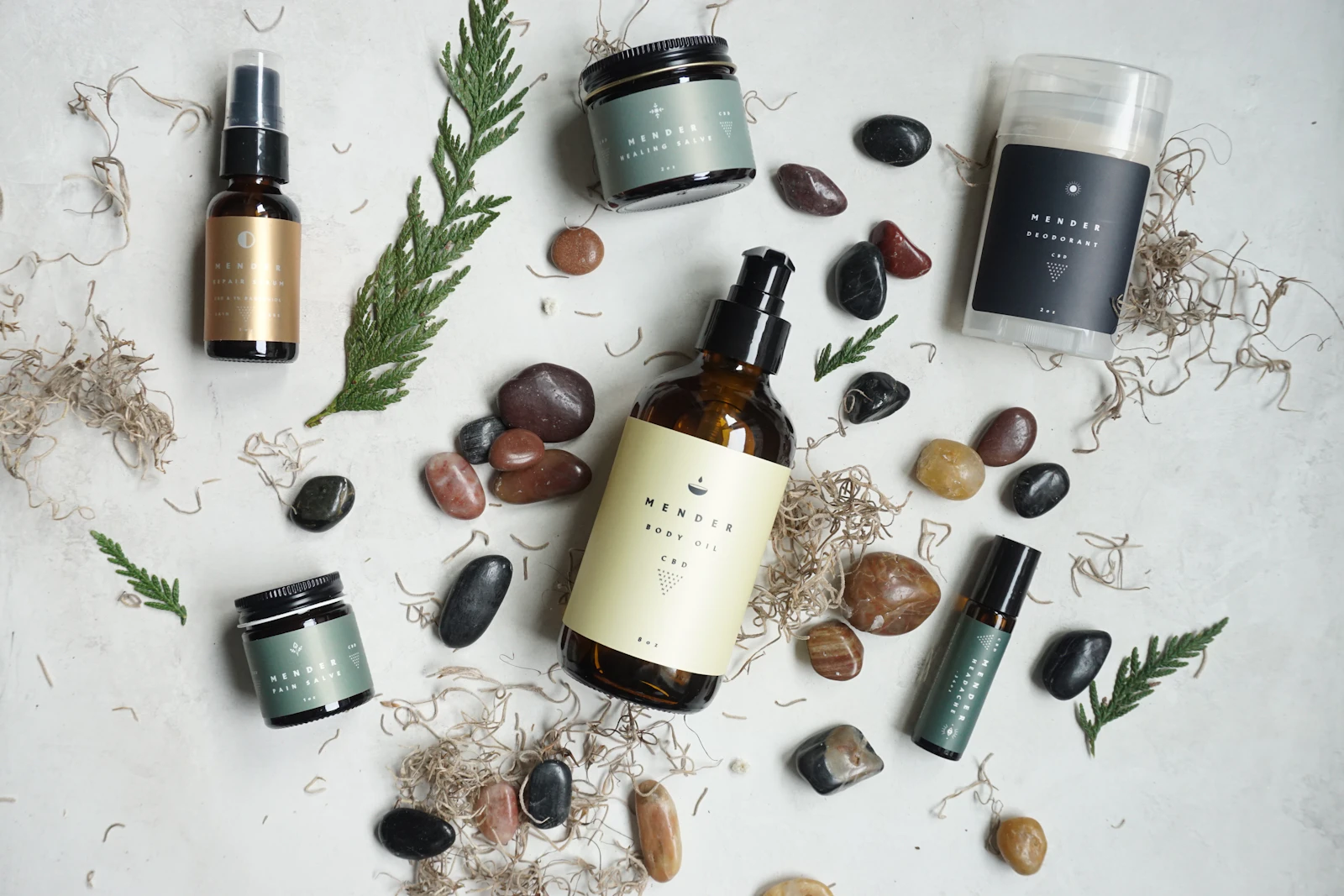
⚠️ Common pitfalls
- ⚠️ The 'Stockpile' Trap: Buying too many sustainable products at once can lead to them expiring before use, which is inherently wasteful.
- ⚠️ Wish-cycling: Putting pumps, magnets, or mirrors in the recycling bin—these generally belong in the trash or specialized mail-back programs.
- ⚠️ Falling for 'Green' Aesthetics: Assuming a brown paper package means the formula is ethical; always check the ingredient list for microplastics like acrylates.
- ⚠️ Ignoring Concentration: A 'cheaper' liquid product that is 80% water may actually cost more per use than a dense, eco-friendly concentrate.
💡 Pro tip
Check the bottom of your beauty bottles for the PCR percentage. PCR (Post-Consumer Recycled) plastic is far better for the planet than 'virgin' bio-plastic because it utilizes existing waste rather than requiring new crops or oil to produce.
❓ Frequently Asked Questions
Q? What are the most eco-friendly drugstore beauty brands?
The most eco-friendly drugstore brands in 2026 include those that have achieved B Corp status or utilize 100% PCR packaging. Look for established names that have transitioned their mass-market lines to include biodegradable wipes, aluminum packaging, and carbon-neutral manufacturing processes.
Q? Is bar soap more sustainable than liquid body wash?
Yes, bar soap is generally significantly more sustainable because it requires less packaging and has a smaller carbon footprint during transport. Furthermore, concentrated bars typically last for 80-100 washes, outperforming standard 12oz liquid bottles which may only last for 30-40 uses.
Q? How to find zero waste beauty products under twenty dollars?
You can find zero waste products under twenty dollars by shopping for concentrated solids or multi-use tins at health food stores and online marketplaces. Many brands now offer high-performance bamboo toothbrushes, tin-packaged lip balms, and cardboard-tube deodorants within the $8-$15 price range.
Q? How to recycle beauty product packaging correctly in 2026?
Correct recycling requires rinsing all residue from containers and separating multi-material components like metal springs from plastic pumps. Check with specialized programs for items like mascara wands and toothpaste tubes, as these cannot be processed by standard curbside recycling bins in most US cities.
Q? Best natural skincare for dry skin on a budget?
The best natural skincare for dry skin on a budget usually centers on single-ingredient oils like organic sunflower or jojoba oil used as occlusives. Buying these in larger glass bottles and using them for both face and body provides the highest value while avoiding the synthetic fillers found in many budget lotions.
⚠️ Warning
Beware of brands that claim to be '100% biodegradable' but do not provide testing data. Packaging often requires specific industrial composting conditions to break down and will not dissolve in a standard backyard bin.
🏆 Wrap-up
The transition to affordable sustainable beauty is a marathon, not a sprint. By focusing on high-impact areas like waterless formulas, refillable containers, and minimalist routines, you can cultivate a beauty regimen that is as kind to your wallet as it is to the planet. In 2026, the power lies with the consumer to demand transparency; every dollar spent on a PCR bottle or a shampoo bar is a vote for a cleaner, more ethical beauty industry.