
🎯 TL;DR
Fake sprouted bread mix reviews cluster into three detectable patterns: timing spikes, template phrasing and image reuse. Check the rating timeline for a suspicious 5–10 day burst, search a distinctive phrase from a five-star review to see if it appears on other brands' listings, and reverse-image-search any loaf photo. If two of the three checks trip, treat the star rating as noise and buy based on ingredient deck and certification instead.
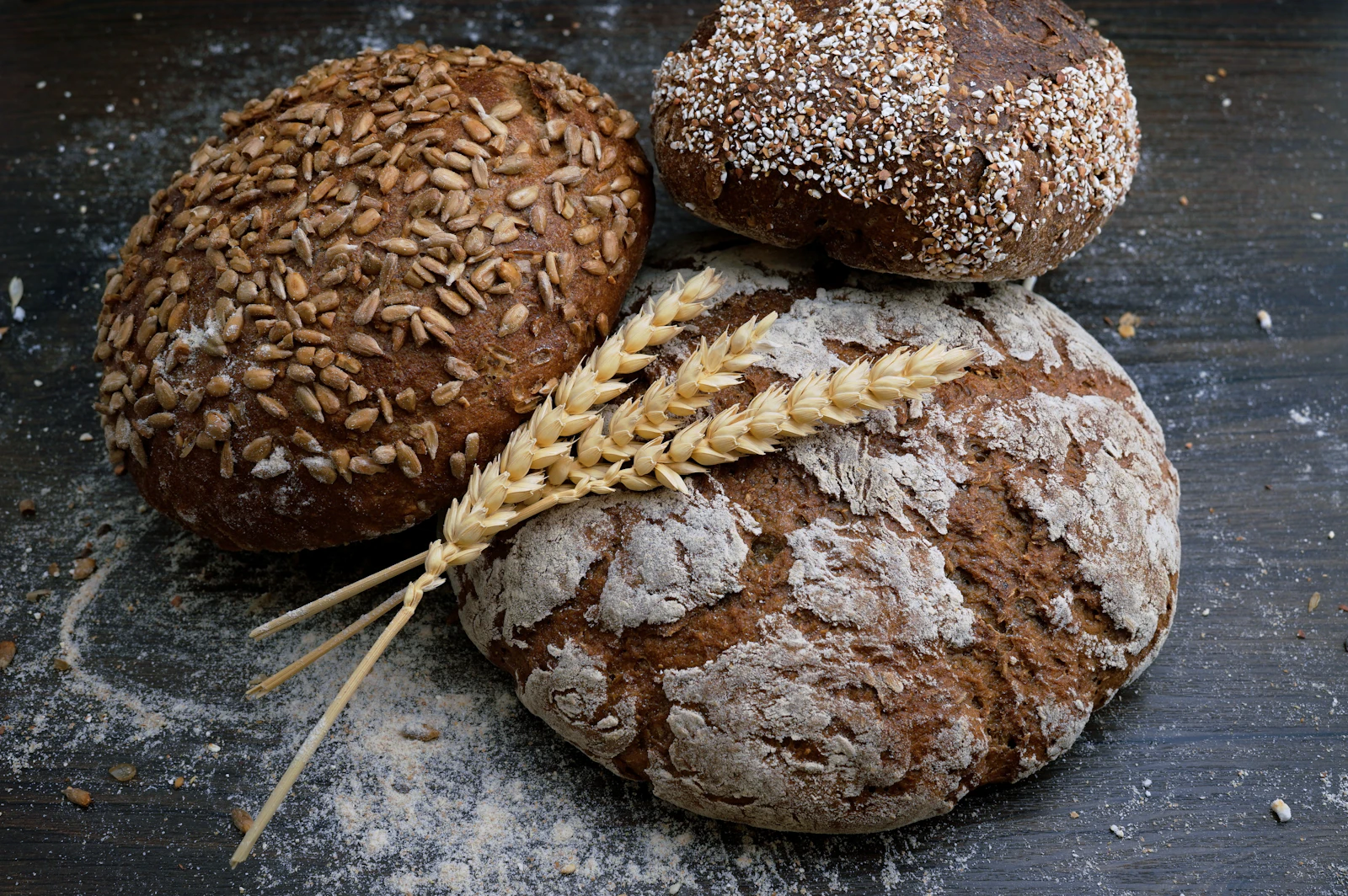
Sprouted grain bread mixes occupy a strange corner of Food & Nutrition. The category exploded between 2021 and 2025 as home bakers chased higher protein, easier digestion and lower glycemic impact, and by 2026 there are easily 300+ SKUs on US shelves and marketplaces. Most are pouches or boxes priced $9–$18, most contain variations on sprouted wheat, spelt, millet, amaranth, quinoa or flax, and most look interchangeable in a thumbnail. That interchangeability is exactly why review manipulation pays off here: a shopper can't taste the difference through a screen, so the star rating does almost all the selling.
Below is the framework I'd hand to anyone buying their first or fifteenth sprouted mix. It's built around three observable artefacts that manipulators can't fully hide — when reviews were posted, how they were written, and what images they use.
🔍 The framework: three checks in four minutes
Manipulated reviews are expensive to fake well. Faking them badly is cheap and common, which is why the same three tells show up again and again across Amazon, Walmart Marketplace, Etsy and brand-direct storefronts. The framework below takes about four minutes on a single product and gives you a defensible reason to walk away — or to trust a listing with an unusually honest-looking 4.3.
The first check is the timing spike. Genuine products accumulate reviews in a fairly regular cadence after launch, with bumps around holidays and sales. Manipulated listings show a burst: dozens or hundreds of ratings landing inside a compressed window, often 5–10 days, sometimes correlating with a launch week or a Prime Day-style event. If 60% of the ratings on a $14 sprouted spelt mix arrived in one week, ask why a niche baking product suddenly had 180 buyers simultaneously.
The second check is template phrasing. Fabricated reviews are usually short (10–25 words), uniformly positive, and lean on a small set of phrases that get copy-pasted across an agency's client roster. On sprouted grain mixes specifically, the recurring vocabulary is predictable: "rises beautifully," "no chalky aftertaste," "finally a bread my kids will eat," "my gut thanks me," "soft crumb and nutty flavour." Search one of those exact strings in quotes on your retailer of choice and see whether the same sentence appears on a sprouted einkorn mix, a sprouted emmer mix and a sprouted quinoa mix from three different brands. It usually does.
The third check is image reuse. Manipulated reviews frequently borrow photos — either stock-adjacent bread imagery, AI-generated loaves, or customer photos lifted from other listings. A reverse image search (Google Lens, TinEye, Bing Visual Search) on any suspicious review photo will surface the original source in seconds. Bonus tell: a review photo where the lighting, kitchen counter and bread knife are identical across three different reviewers.
A sprouted grain bread mix with a 4.7 and a suspicious burst of 180 reviews in nine days is a weaker signal than a 4.3 with six reviews posted genuinely over eight months.
- 🔬 Open the listing and scroll to the review section, then sort by Most Recent rather than Top Reviews.
- 📅 Note the date range. Flag any listing where 40%+ of ratings landed inside a 10-day window.
- 📝 Copy one distinctive five-star sentence into a search engine inside quotation marks.
- 🖼️ Reverse-image-search any review photo showing a baked loaf, a sliced crumb or a branded pouch.
- ⚖️ If two of the three checks trip, downgrade the rating and buy on ingredient deck + certification instead.

🧪 What to look for
Not every suspicious signal is proof of fraud. Some products genuinely go viral, and a small brand's launch week can look like a burst. The table below separates strong signals from weak ones so you can weigh what you're seeing rather than jumping to a conclusion.
| Signal | What it means | How to verify |
|---|---|---|
| Rating burst inside 7–10 days | Coordinated seeding or paid review farm | Sort reviews by Most Recent and eyeball the date column |
| Repeated 3–6 word phrase across brands | Same agency writing reviews for multiple clients | Search the phrase in quotes on the same retailer |
| Identical review photo on two listings | Recycled or stock imagery, not a real customer | Google Lens or TinEye reverse search |
| Every review is exactly 5 stars | Curated or filtered — real products have a 3-star tail | Check the star distribution histogram, not just the average |
| Reviewer profile with 1 review and a generic name | Throwaway account | Tap the reviewer name to see their history |
| On-site rating (4.8) far above retailer rating (3.9) | Brand is curating or suppressing negative reviews on its own widget | Compare counts and dates across both surfaces |
⚠️ What to avoid
- ⚠️ Buying on star average alone. A 4.7 average compresses a bimodal distribution — 200 glowing fakes and 30 furious real buyers can look identical to 230 happy ones.
- ⚠️ Trusting the "Verified Purchase" badge as proof. Refunded and incentivized purchases can retain the badge; verified does not mean unpaid or unscripted.
- ⚠️ Assuming a well-known brand is immune. Sprouted mix manipulation hits mid-tier natural-foods brands as often as Amazon no-names.
- ⚠️ Over-weighting reviews that mention certifications. Phrases like "USDA Organic certified, I checked!" in a five-star review are a classic template line — verify certifications on the USDA Organic Integrity Database, not in reviews.
- ⚠️ Skipping the 1-star and 2-star reviews. That's where the real failure modes hide: gritty texture, poor rise, off-flavours after 60 days of storage, or mixes that arrive with weevil-prone flour.
- ⚠️ Buying a large multipack on a suspicious first purchase. If the reviews look manipulated, buy one pouch — not a six-pack — and bake a test loaf.
💡 Pro tip
Take a screenshot of the suspicious listing (date, count, sample reviews) before you leave. If you later file a marketplace complaint — Amazon's "Report abuse" form, Walmart's Trust & Safety portal — the labelled screenshot is worth ten times a written description. It also stops you from accidentally re-buying the same manipulated SKU six months later under a new brand name.
🌿 Certifications that actually matter
None of these certifications verify review authenticity. They do, however, anchor the parts of the listing that are auditable — so when the reviews are useless, the certifications become your primary buying signal for a sprouted grain bread mix.
USDA Organic. Verified through the USDA National Organic Program and searchable on the Organic Integrity Database. For sprouted wheat, spelt, millet or quinoa mixes, the organic label matters more than usual because grains are a high-pesticide-residue crop category. If the pouch claims organic but the brand doesn't appear in the database, treat the claim as decorative.
Non-GMO Project Verified. A third-party standard with a public product database. Sprouted wheat and spelt can occasionally carry glyphosate residue from pre-harvest desiccation, so the Non-GMO Project butterfly is a meaningful (if imperfect) marker for US shoppers looking at conventional grain sourcing.
Whole Grain Council stamps. The 100% Whole Grain and Whole Grain 50%+ stamps require a specific gram-per-serving threshold. Sprouted grain mixes are almost entirely whole grain, so a legitimately qualifying brand should carry the stamp — its absence on a brand that markets "100% whole sprouted" is worth a follow-up question to their customer service.
Certified Gluten-Free (via GFCO or NSF). Sprouted wheat is not gluten-free, and no wheat-based bread mix should be claimed as such. If a sprouted wheat mix carries a gluten-free claim, that's a compliance issue — reported to the FDA — and a strong signal the brand doesn't control its own label copy. Sprouted buckwheat or millet-only mixes can legitimately certify gluten-free through GFCO.
B Corp Certification. Relevant to the brand, not the loaf. B Corp assesses governance, worker treatment and supply-chain transparency — useful when you're choosing between two otherwise comparable sprouted mixes and want the one that publishes its Tier-2 mill suppliers.
🚨 Watch out
A common 2025–2026 pattern: brands relabel a European sprouted grain mix under a new US brand name, seed 300 reviews in a two-week window, then rename the SKU again after a bad Q3. Reverse-search the pouch design on Google Images — if the same bag photo appears under two brand names, you're looking at a rebadge, and the reviews almost certainly carried over or were re-seeded.
❓ Frequently Asked Questions
How to spot review manipulation in sprouted grain bread mix listings?
Look for three artefacts: a compressed review-timing window, template phrasing reused across brands, and recycled customer photos. Sort by Most Recent, scan the date histogram for a 5–10 day burst, search one distinctive five-star sentence in quotes across the retailer, and reverse-image-search any loaf photo. Two or more positive signals means the star rating is unreliable.
Why do sprouted grain bread mix reviews spike in one week?
Week-long spikes usually indicate coordinated seeding rather than organic demand. A new sprouted mix launched through a review agency can accumulate 100–300 ratings inside a single batch window, whereas a genuinely viral product typically ramps over 6–10 weeks as real bakers post their first loaf. If the spike coincides with a launch announcement or a marketplace coupon event, treat it as suspicious until you've checked a second signal.
What does template phrasing in bread mix reviews look like?
Template phrasing is short, uniformly positive, and reuses a small set of phrases across multiple brands. In sprouted grain mixes, recurring strings include "rises beautifully," "no chalky aftertaste," "my gut thanks me" and "my kids didn't even notice." Copy one of those sentences with quotation marks into a search engine — if it appears on a sprouted einkorn mix, a sprouted emmer mix and a sprouted quinoa mix from different sellers, you've found an agency template.
Best way to reverse image search sprouted bread mix review photos?
Use Google Lens, TinEye or Bing Visual Search on any review photo showing a finished loaf, a sliced crumb or a hand holding a branded pouch. Save the image, drop it into the search tool, and look for the original source. The most common hits are stock photo sites, the brand's own marketing page, or another retailer's listing — all of which prove the "customer photo" wasn't taken by a customer.
Are Amazon sprouted grain bread mix ratings trustworthy in 2026?
Treat Amazon star averages as one input, not a verdict. Amazon has invested in detection tools, but incentivized, refunded and product-seeded reviews can still earn the Verified Purchase badge, and Vine Voice tags are separate from verified status. Cross-check the retailer rating against the brand's on-site widget, run the timing and phrasing checks above, and prioritise the ingredient deck and certification posture when the review signal is noisy.
🏆 Final word
Sprouted grain bread mixes are a category where the product on your counter is nearly identical to the product in the thumbnail next door — which is exactly why review manipulation has become so common and so effective. The framework above doesn't require you to distrust every brand. It requires you to look at three things most shoppers never see: when the ratings landed, how the reviews were worded, and whose photos are attached. Do that once, and you'll spend less on disappointing pouches and more time baking loaves that actually rise.