TL;DR
The best eco-friendly fashion & apparel in 2026 are the Veja V-10 Sneaker and Knix Leakproof Period Underwear. Both scored 85/100 or above in ethics, making them excellent choices for sustainable fashionistas.
The temptation to adopt fast fashion can be strong, but it's crucial to remember the environmental impact of this trend. To help you make mindful fashion choices in 2026, we've compiled the best eco-friendly fashion & apparel picks.
Quality, Value, UX, and Brand are our scoring pillars. Each product was meticulously vetted based on these criteria, ensuring you get the best eco-friendly experience.
At a glance
| Product | Best For | Score | Price | Top Certifications |
|---|---|---|---|---|
| Veja V-10 Sneaker | Sustainable sneaker fans | 85/100 | $$ | Vegan, B Corp, FSC Certified |
| Knix Leakproof Period Underwear | Comfortable period protection | 87/100 | $$ | Vegan, Cruelty-Free, EWG Verified |
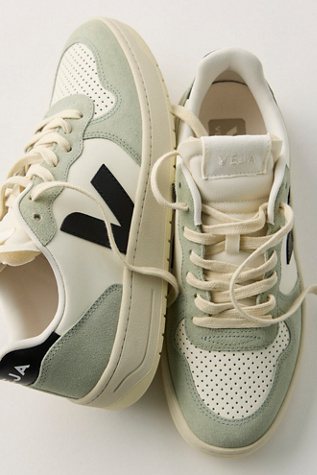
Veja V-10 Sneaker
Sustainable sneaker lovers, rejoice! The Veja V-10 Sneaker combines style and ethics (85/100)....
Pros
- 90% recycled polyester
- B Corp certified
- Affordable price point
Cons
- Limited color options
- May feel narrow for wider feet
💡 Pro tip
To maximize your sustainability efforts, focus on quality, durability, and versatile items.
When choosing the best eco-friendly fashion & apparel in 2026, consider the following:
- ✅ Materials: Opt for natural, organic, or recycled fabrics.
- 🌿 Certifications: Vegan, Cruelty-Free, Organic, Fair Trade ensure ethical sourcing.
- 🧪 Quality & Durability: Invest in pieces built to last.
- 💧 Functionality: Choose items that serve multiple purposes.
Frequently Asked Questions
What are the most sustainable fashion fabrics in 2026?
Organic cotton, recycled polyester, and TENCEL™ Lyocell are among the most sustainable fashion fabrics in 2026. Look for natural, renewable, or recycled materials to minimize environmental impact.
Are there any eco-friendly fashion brands with a high ethics rating?
Yes, brands like Veja (85/100), Knix (87/100), and tomboyX (87/100) demonstrate exceptional commitment to ethics and sustainability. Our list features several brands scoring 75/100 or above.
Final verdict
🏆 Our top picks for best eco-friendly fashion & apparel in 2026 are the Veja V-10 Sneaker and Knix Leakproof Period Underwear. Both lead the pack in ethics, quality, and value. For alternative sustainable fashion options, explore our other top picks.How to choose eco-friendly apparel
Selecting sustainable fashion requires evaluating how garments are designed, manufactured, and maintained. Because terms like eco-friendly are often used loosely across the apparel industry, identifying authentic value demands a structured evaluation framework. When assessing prospective additions to your wardrobe, focus on several foundational criteria to ensure your choices reflect genuine environmental and ethical standards.
Material authenticity: Examine fabric labels closely to understand raw fiber origin. Garments made from certified organic fibers, repurposed textiles, or closed-loop materials reduce chemical usage and resource depletion. Single-fiber compositions generally offer easier recyclability at end-of-life compared to complex fiber blends.
Third-party verification: Independent auditing provides an unbiased evaluation of supply chain integrity. Rather than relying solely on brand descriptions, look for established certifications covering chemical safety, fair labor practices, and traceable sourcing to ensure ecological claims are backed by rigorous compliance inspections.
Structural durability: An eco-friendly item must withstand frequent wear and laundering across multiple seasons. Inspect the weave density, seam reinforcement, and hardware attachments. Sturdy double-stitching and quality trims indicate a piece engineered for longevity, preventing early disposal and reducing replacement demand.
Versatility and utility: A garment with strong environmental credentials provides little value if it stays unworn in your closet. Opt for timeless silhouettes, adaptable cuts, and cohesive palettes that integrate smoothly with existing staples across different settings and seasons.
| Selection Factor | What to Look For | Environmental Impact | Long-Term Value |
|---|---|---|---|
| Material Composition | Single-origin organic or certified recycled fabrics. | Reduces virgin resource extraction and manufacturing pollution. | Resists wear and facilitates future textile recycling. |
| Third-Party Verification | Recognized labels for fair labor and chemical safety. | Guarantees transparent auditing across the supply chain. | Protects buyers from unsubstantiated marketing claims. |
| Construction Quality | Tight stitching, reinforced seams, and durable hardware. | Curbs rapid consumption by preventing premature tears. | Lowers cost per wear over extended, regular use. |
| Care Requirements | Low-impact laundering like cold washing and air drying. | Lowers household energy and water consumption. | Preserves fabric elasticity, strength, and color fastness. |
| Styling Versatility | Adaptable tailoring, neutral palettes, and classic cuts. | Reduces demand for trend-driven wardrobe expansion. | Seamlessly transitions across casual and formal settings. |
Common mistakes when building an eco-friendly wardrobe
- Discarding wearable clothing prematurely: Purging usable garments simply because they lack an eco-label creates needless waste. The most sustainable item is the one already in your wardrobe; wear existing pieces until they are truly worn out.
- Believing vague marketing terms: Broad words like natural, earth-conscious, or green have no legal definitions. Buying clothes without checking fabric content or certifications risks supporting greenwashing rather than genuine ethical practices.
- Compromising on proper fit: An ethically produced garment that fits poorly will rarely be worn. Prioritizing comfort and fit ensures your sustainable apparel remains in regular rotation rather than abandoned.
- Overlooking fabric care requirements: Choosing delicate fabrics that require intensive chemical dry cleaning offsets manufacturing sustainability. Prioritize garments compatible with simple, low-energy home laundering.
- Overconsuming sustainable goods: Purchasing excess eco-apparel still consumes water, energy, and raw resources. Mindful moderation remains the core pillar of responsible fashion consumption.
Practical tips to extend garment lifespan
Proper care protects your investment and significantly reduces household environmental impact throughout an item's lifecycle:
- Wash in cold water: Cold cycles clean everyday apparel effectively while preventing shrinkage, fiber degradation, and color fading, all while cutting home electricity consumption.
- Air dry naturally: Tumble dryers subject fabric fibers to intense heat and friction, accelerating thinning and structural wear. Line drying preserves garment shape and elastic properties.
- Spot clean between cycles: Washing clothes after every single wear is rarely necessary. Spot cleaning stains and airing items out reduces mechanical abrasion and water usage.
- Master basic mending: Replacing loose buttons, reinforcing seams, and patching small tears can add years to a garment's functional life, keeping quality pieces out of landfills.
Frequently asked questions
How can shoppers identify genuine greenwashing in apparel?
Greenwashing occurs when brands use broad, unregulated terms like eco-friendly without transparent supporting evidence. To spot greenwashing, check whether the company provides detailed fiber breakdowns, published factory lists, and recognizable third-party certifications. Responsible brands provide clear data on their sourcing and labor practices rather than relying solely on aspirational slogans.
Is recycled synthetic fabric better than virgin synthetic fabric?
Recycled synthetics divert existing plastic waste from landfills and decrease dependence on petroleum extraction. However, they can still shed microfibers during washing and remain non-biodegradable. While recycled synthetics are an improvement over virgin polyester or nylon, natural organic fibers or closed-loop semi-synthetics are generally preferable for items washed regularly.
How do third-party certifications verify brand claims?
Independent third-party certifications evaluate brands against strict environmental and social benchmarks. Independent auditors inspect production facilities, testing for non-toxic dyes, safe workplace standards, fair wages, and traceable raw materials. These credentials give consumers objective proof that sustainability claims are verified outside the brand's own marketing department.
What is the most cost-effective way to build a sustainable wardrobe?
The most budget-friendly approach begins by caring for the clothes you already own to maximize their lifespan. When you do purchase new pieces, invest in versatile, well-made staples designed to last multiple years. Calculating cost per wear demonstrates that durable, ethically crafted items often cost less over time than frequently replacing cheap, short-lived alternatives.