TL;DR
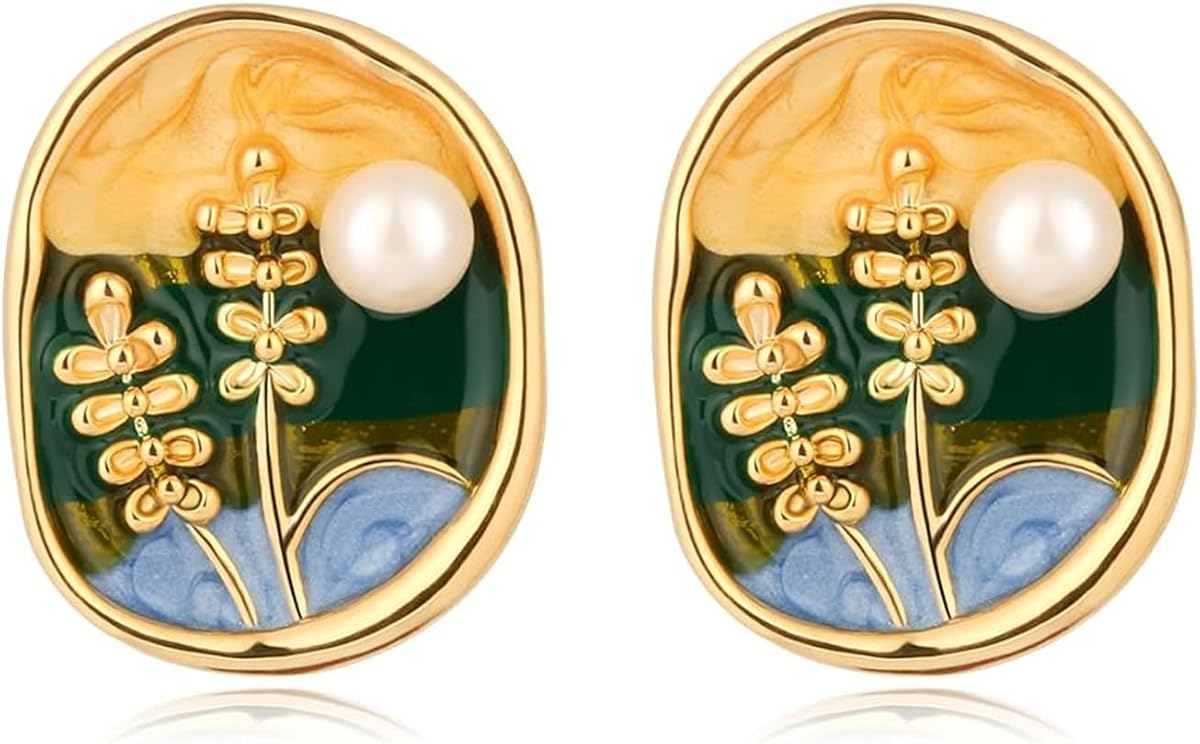
The Anho Impressionist Stud Earrings are our top pick for best eco-friendly jewelry & accessories in 2026, thanks to their high ethics score and commitment to sustainable materials. The ABLEtorus 14k Gold Ring is a close second, offering fair trade practices and responsible jewelry craftsmanship.
The search for the best eco-friendly jewelry & accessories in 2026 led us to six standout products that combine style, ethics, and sustainability.
\🧪 How we picked
\We evaluated each product based on quality, value, user experience, and brand ethos.
\-
\
- ✅ High ethics score (85/100 or above) \
- 🌿 Eco-friendly materials and certifications \
- 💳 Affordable pricing \
- 🌍 Positive brand reputation and practices \
At a glance
\| Product | Best For | Score | Price | Top Cert |
|---|---|---|---|---|
| Anho Impressionist Stud Earrings | Minimalist earrings lovers | 95/100 | $$$ | EcoCert |
💡 How to choose the best eco-friendly jewelry & accessories
\In 2026, the best eco-friendly jewelry & accessories combine sustainability, style, and value. Prioritize products with high ethics scores, eco-friendly materials, and certifications.
\-
\
- ✅ Focus on ethics and eco-friendly materials \
- 💳 Consider your budget and look for affordable options \
- 🌍 Research brand reputation and practices \
Choosing eco-friendly jewelry & accessories isn't just about looking good—it's about doing good, too.\
❓ Frequently Asked Questions
\What are the best eco-friendly gold jewelry options?
\The ABLEtorus 14k Gold Ring offers fair trade practices and responsible jewelry craftsmanship, making it an excellent choice for eco-conscious consumers.
\ \🏆 Final verdict
\The Anho Impressionist Stud Earrings are our top pick for best eco-friendly jewelry & accessories in 2026, while the ABLEtorus 14k Gold Ring is a strong runner-up.
\In-depth criteria for choosing sustainable jewelry and accessories
Selecting genuinely sustainable accessories requires looking past marketing language and analyzing the core components of each piece. From the origin of base metals to the final packaging, multiple factors determine the true environmental and human footprint of your jewelry.
Material origins: The extraction of virgin metals carries significant environmental burdens, including soil degradation, toxic chemical runoff, and habitat loss. Opting for certified recycled gold, sterling silver, or brass dramatically reduces demand for new mining. When recycled metals are unavailable, look for small-scale artisanal mining cooperatives certified under strict fair-trade standards that prohibit mercury usage and ensure habitat restoration.
Gemstone and embellishment transparency: Stones should have fully traceable provenance. Mined gems should carry proof of conflict-free origin and fair labor practices across cutting and polishing stages. Alternatively, cultivated stones and upcycled heirloom minerals avoid terrestrial mining disruptions altogether. For non-metallic components, seek plant-derived resins, organic textiles, or repurposed wood rather than petroleum-based plastics.
Production ethics and labor safety: True sustainability encompasses human well-being. Artisans and bench jewelers must receive fair living wages, operate in well-ventilated environments free from harmful particulate matter, and have protected collective rights. Third-party workplace audits provide reassurance that high standards are maintained across the supply chain.
Circularity and durability: High-quality craftsmanship ensures an accessory lasts for decades rather than seasons. Look for solid constructions or high-micron vermeil plating over durable recycled silver rather than flash-plated mystery metals that tarnish and end up discarded quickly. Circular brands often offer repair policies, take-back programs, or recycling incentives to keep materials in continuous use.
Comparison of sustainable jewelry selection factors
| Factor | What to look for | Environmental benefit | Key trade-offs |
|---|---|---|---|
| Recycled precious metals | Third-party verified recycled gold, silver, or platinum | Drastically cuts mining waste, carbon emissions, and water contamination | May have limited availability in complex, custom artisan pieces |
| Lab-grown stones | Grown in facilities utilizing renewable power | Eliminates open-pit mining, ecosystem displacement, and soil erosion | Energy-intensive production if manufacturing facilities rely on fossil fuels |
| Fair trade artisanal metals | Direct partnerships with certified mining cooperatives | Supports living wages, mine remediation, and community investments | Generally carries a premium cost compared to standard market materials |
| Plant-based or upcycled accents | Certified sustainable timber, natural fibers, and post-consumer discards | Diverts waste from landfills and replaces petroleum-based synthetics | Requires more diligent moisture protection and gentle handling |
Common mistakes when shopping for eco-friendly accessories
Even well-intentioned shoppers can fall into common traps when curating an ethical accessory collection. Being mindful of these pitfalls helps ensure your purchases truly support sustainable practices.
- Falling for vague buzzwords: Terms like green, earth-conscious, or natural lack clear definitions. Always look for specific disclosures regarding metal sourcing, percentage of recycled content, or recognized certifications.
- Overlooking base metal composition: Inexpensive fashion jewelry often masks toxic base metals such as nickel or lead beneath a micro-thin layer of gold wash. These pieces degrade rapidly and cannot be easily recycled or repaired.
- Ignoring packaging and shipping practices: A sustainably made ring loses its eco-friendly appeal if it arrives wrapped in layers of single-use plastic, bubble wrap, and non-recyclable foam inserts.
- Assuming all vintage pieces are sustainable: While buying secondhand avoids new resource extraction, antique pieces restored with hazardous chemicals or fragile materials may require frequent, resource-heavy repairs.
- Failing to verify gemstone cutting conditions: Brands often track the rough stone origin but lose oversight during the cutting and polishing phase, where artisan exploitation and dust hazards can occur.
Practical tips for building an earth-conscious jewelry collection
Transitioning toward a sustainable jewelry wardrobe requires thoughtful curation and mindful maintenance. Implementing these practical habits will maximize the lifespan and positive impact of your collection.
- Invest in versatile, timeless silhouettes: Select classic designs that complement multiple outfits and occasions rather than fast-trend novelty items destined for short-term wear.
- Request detailed origin documentation: Before completing a major purchase, ask the retailer for proof of metal origins, gemstone treatment disclosures, and workshop labor standards.
- Practice proper storage to extend longevity: Store individual pieces in airtight fabric pouches away from direct sunlight, moisture, and bathroom humidity to prevent premature oxidation and tarnishing.
- Clean gently without harsh chemicals: Maintain your pieces using warm water, mild biodegradable soap, and a soft-bristled brush instead of toxic dipping solutions that harm waterways.
- Repurpose unworn heirlooms: Bring outdated family pieces to an ethical bench jeweler who can melt down existing precious metals and reset original stones into modern custom creations.
Frequently asked questions
How can you tell if recycled precious metals are genuinely sustainable?
Authentic recycled metals should be backed by transparent supply chain audits and reputable verification standards. Look for brands that explicitly identify whether their recycled metals derive from post-consumer electronic waste, existing scrap jewelry, or industrial byproduct streams. Legitimate makers readily share the origin of their supply and maintain third-party traceability records rather than making unverified claims.
Are lab-grown gemstones always more sustainable than mined stones?
Lab-grown gemstones eliminate the severe land disruption, habitat degradation, and community upheaval associated with conventional mining pits. However, cultivating stones in controlled environments demands substantial thermal and electrical energy. To maximize sustainability, seek out lab-grown producers that utilize verified renewable energy sources, such as solar or hydro power, to run their growth reactors.
How do fair trade certifications apply to small-scale jewelry makers?
Fair trade standards ensure that small-scale miners and independent craftspeople receive equitable compensation, operate under rigorous occupational safety rules, and avoid toxic chemicals such as mercury. When independent jewelers buy through certified fair trade supply chains, they support community investment premiums that fund healthcare, clean water, and educational facilities in rural artisanal mining regions.
What is the most eco-friendly way to clean and maintain delicate sustainable jewelry?
The most environmentally sound cleaning method involves simple household staples rather than synthetic chemical polishes. Soak pieces in a bowl of lukewarm water mixed with a few drops of plant-based soap, gently scrub away dirt with an old soft toothbrush, rinse with clean water, and buff dry with a soft cloth. For silver tarnish, a gentle paste of baking soda and water works effectively without releasing hazardous residues into the drain.