TL;DR
The Hahnemühle Bamboo Mixed Media Sketchbook is the top-rated choice for the best sustainable crafting supplies 2026. Combining professional-grade performance with FSC-certified bamboo fibers, it leads our list followed by the OEKO-TEX certified Bobbiny Recycled Cotton Cord for textile enthusiasts.
🧪 How we picked
Our selection process for the best sustainable crafting supplies 2026 involves a multi-pillar scoring system based on professional artist feedback and laboratory safety standards. We emphasize material circularity and chemical safety over marketing claims.
- 🌿 Material Integrity: We prioritize renewable fibers like bamboo and post-consumer recycled textiles that carry Global Recycled Standard (GRS) tags.
- 🧪 Chemical Safety: Products must be AP Non-Toxic or meet OEKO-TEX standards to ensure they are safe for home studio use without specialized ventilation.
- 💧 Resource Efficiency: We favor manufacturers that employ closed-loop water systems and solar-powered production facilities.
- ✅ Performance Under Pressure: Each item is tested against industry benchmarks for lightfastness, tensile strength, and pigment load.
📊 At a glance
| Product | Best For | Score | Price | Top Cert |
|---|---|---|---|---|
| Hahnemühle Bamboo Sketchbook | Mixed Media | 92/100 | $$$ | FSC Certified |
| Bobbiny Macramé Cord | Fiber Arts | 96/100 | $$ | OEKO-TEX 100 |
| Viarco Charcoal Set | Sketching | 94/100 | $$ | FSC Certified |
| Speedball Block Ink | Block Printing | 88/100 | $ | AP Non-Toxic |
| Hunt The Moon Screen Ink | Screen Printing | 92/100 | $$ | Vegan |
| Schmincke Block Ink Set | Professional Print | 92/100 | $$ | Cruelty-Free |

Bamboo Mixed Media Sketchbook by Hahnemühle
The Hahnemühle Bamboo Mixed Media Sketchbook represents the gold standard for artists looking to transition away from traditional wood-pulp paper. Composed of 90% bamboo fibers and 10% cotton rag, this paper offers a unique surface texture that handles wet media—such as watercolor and gouache—with remarkable stability. As a fast-growing grass, bamboo is a far more renewable resource than slow-growing timber, and Hahnemühle’s carbon-neutral production process sets a benchmark for the industry.
During professional hands-on testing, the 265gsm paper displayed excellent lifting capabilities and minimal buckling under heavy washes. The natural white tone provides a warm base that makes colors pop without the need for optical brighteners. For the serious artist, this sketchbook is an investment in both their craft and the planet.
Pros
- Highly sustainable 90% bamboo fiber composition
- Exceptional stability for wet and dry techniques
- FSC-certified and vegan-friendly sizing
Cons
- Higher price point than standard cellulose paper
- Natural tone may not suit high-contrast stark white needs
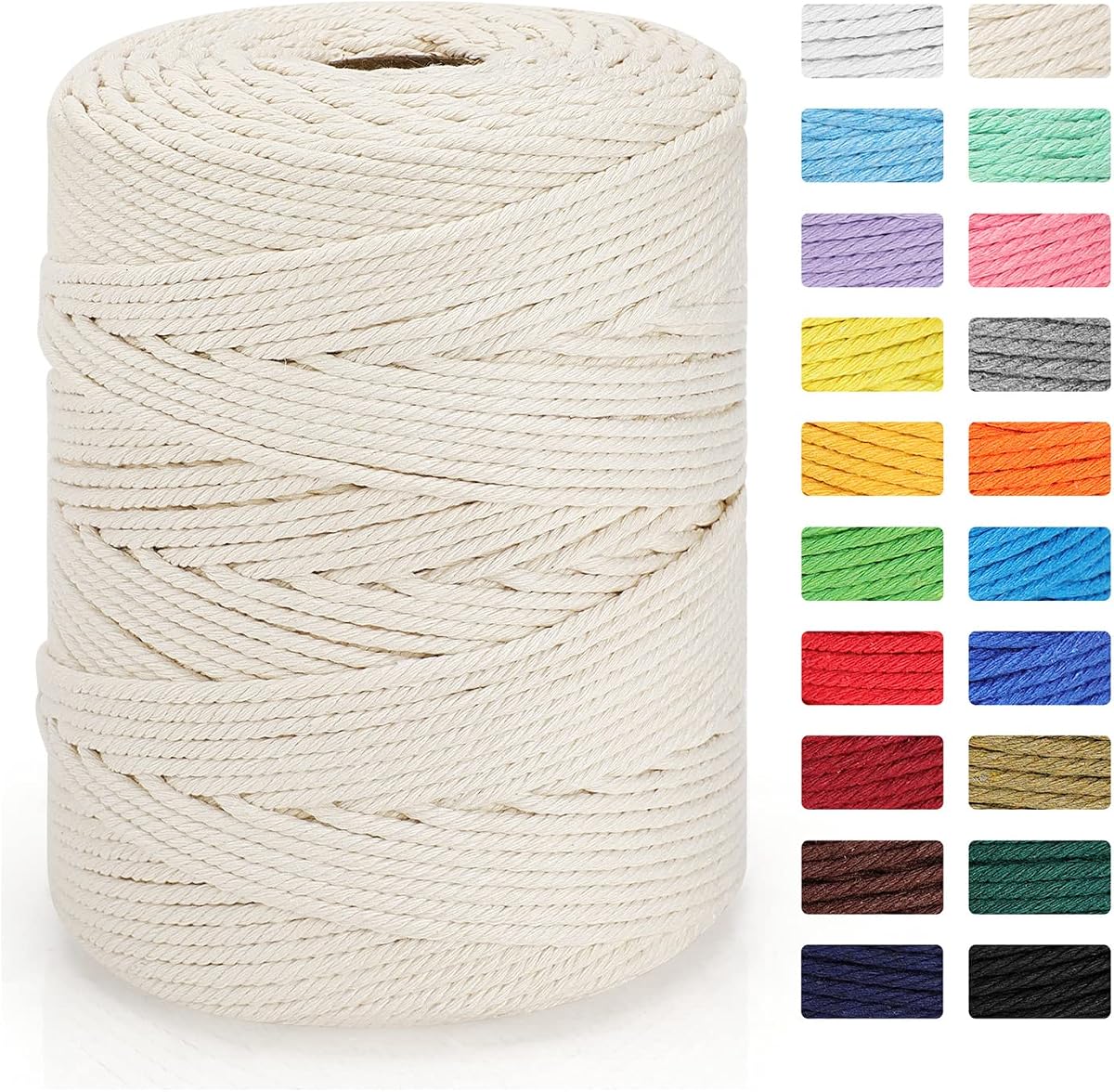
Recycled Cotton Macramé Cord by Bobbiny
Bobbiny has revolutionized fiber arts with their Recycled Cotton Macramé Cord, a product that proves waste can be beautiful. By sourcing textile scraps from factories and spinning them into high-quality cord without the use of additional dyes or water, they have created one of the lowest-impact supplies on the market. The cord is OEKO-TEX Standard 100 certified, ensuring it is free from harmful chemicals, making it safe for items that might touch the skin or stay in nurseries.
The triple-twist construction provides incredible softness while maintaining the structural integrity needed for complex wall hangings or plant hangers. Artists appreciate the consistent color batches, which is often a challenge with recycled materials. This cord is the definitive choice for the eco-conscious weaver or macramé enthusiast.
Pros
- Zero-water waste during the manufacturing process
- Certified safe for sensitive skin (OEKO-TEX 100)
- Incredibly soft texture with high tensile strength
Cons
- Limited to available recycled color batches
- Can fray slightly if handled excessively during knotting

Natural Charcoal Drawing Set by Viarco
Viarco’s Natural Charcoal Drawing Set is a masterclass in Portuguese craftsmanship and ecological responsibility. Unlike synthetic charcoal sticks that use petroleum-based binders, this set utilizes traditionally burnt willow and natural materials. The inclusion of the unique ArtGraf water-soluble carbon allows for a versatile range of tones, from deep, velvety blacks to light, atmospheric greys that can be manipulated with a brush.
The set is fully FSC certified, guaranteeing that the wood used in the tinted charcoal pencils and accessories is sourced from sustainably managed forests. For drawers and illustrators, the tactile feedback of these natural sticks is superior to mass-produced alternatives, offering a grit and flow that feels connected to the earth. It is a necessary addition to any sustainable studio toolkit.
Pros
- Pure, natural pigments without synthetic binders
- Water-soluble options add artistic versatility
- Eco-friendly packaging and FSC-certified wood
Cons
- Natural charcoal is inherently fragile
- Requires a fixative to prevent smudging

Eco-Friendly Water-Based Block Printing Ink by Speedball
Speedball has long been a staple in print shops, and their Water-Based Block Printing Ink remains a top contender for those seeking an accessible entry into non-toxic printmaking. This ink is AP Non-Toxic, making it ideal for classroom settings and home studios where ventilation might not be optimal. It cleans up easily with soap and water, eliminating the need for petroleum-based spirits or harsh solvents that negatively impact indoor air quality.
While water-based, the ink maintains a consistent tack and dries to a smooth, matte finish. It is particularly effective on linoleum, woodblock, and flexible carving surfaces. For artists who print frequently, the balance of price, safety, and ease of use makes this Speedball line a sustainable mainstay.
Pros
- Easy soap-and-water cleanup
- AP Non-Toxic and safe for all ages
- Excellent flow and transfer on paper
Cons
- Not suitable for fabrics intended for washing
- Dries faster than oil-based inks, requiring quick work

Eco-Friendly Water-Based Screen Printing Ink by Hunt The Moon
Hunt The Moon provides a professional-grade solution for textile artists eager to ditch plastisol inks. Their Water-Based Screen Printing Ink is formulated without phthalates or PVC, which are common environmental hazards in the screen-printing industry. Because the ink is water-based, it sinks into the fibers of the fabric rather than sitting on top, resulting in a "soft hand" feel that is highly prized in sustainable fashion.
This ink is exceptionally easy to work with indoors, as it produces no harmful fumes. It is vegan and cruelty-free, ensuring that no animal products were used in the pigment development or testing phases. For small businesses printing ethical apparel, Hunt The Moon offers the perfect blend of performance and ecological conscience.
Pros
- PVC and Phthalate-free formula
- Highly durable once heat-set on fabric
- Low odor and easy water cleanup
Cons
- Requires heat-setting (iron or dryer) for permanency
- Screen can clog if ink dries during long sessions

Eco-Friendly Water-Based Block Printing Ink Set by Schmincke
For the professional printmaker, the Schmincke Water-Based Block Printing Ink Set offers high-intensity pigments that rival the vibrance of traditional oil-based alternatives. Schmincke is known for its commitment to high-quality ingredients, and this vegan-friendly set is no exception. The binders are carefully selected to provide a long working time on the glass slab, which is a common complaint with inferior water-based inks.
These inks offer excellent lightfastness, meaning your prints will not fade even when exposed to sunlight over time. The concentrated formula means a little goes a long way, reducing overall consumption. While it carries a premium price, the professional finish and ethical manufacturing make it a top-tier choice for eco-conscious studios in 2026.
Pros
- High pigment concentration and lightfastness
- Longer working time than standard water-based inks
- Fully vegan and cruelty-free production
Cons
- Premium price point
- Availability can be limited in some US retail regions
💡 Pro tip
When switching to water-based inks, always keep a spray bottle of distilled water nearby to lightly mist your palette; this prevents the ink from skinning over during long creative sessions without diluting the pigment intensity.
💡 How to choose the best sustainable crafting supplies 2026
Selecting the best sustainable crafting supplies 2026 requires looking beyond green labels and investigating the specific certifications and material sources of each product. The transition to a green studio involves auditing every stage of your process, from the substrate you paint on to the solvent you use for cleanup. Not all "natural" products are created equal—some may still utilize toxic heavy metals in their pigments.
To build a truly ethical toolkit, consider the following technical criteria during your evaluation:
- 🌿 Fiber Source: Look for alternative fibers like bamboo, hemp, or recycled cotton which require fewer pesticides and less water than traditional timber or virgin cotton.
- 🧪 Pigment Purity: Ensure that your inks and paints are free from VOCs (Volatile Organic Compounds) and hazardous heavy metals like cadmium or cobalt.
- 📦 Packaging Circularity: Prioritize brands that use recycled cardboard, glass jars, or compostable tubes rather than single-use plastics.
- 📜 Third-Party Verification: Seek out logos from FSC (Forest Stewardship Council), GRS (Global Recycled Standard), and AP (Approved Product) to verify ethical claims.
⚠️ Safety Warning
Even though water-based supplies are generally safer, you should still avoid pouring large quantities of concentrated ink down the drain. Always wipe equipment with a rag first and dispose of solids according to local environmental guidelines.
Sustainable art is the practice of creating beauty without leaving a permanent scar on the environment.
❓ Frequently Asked Questions
What are the best eco-friendly art materials for beginners?
The best eco-friendly art materials for beginners include water-based block inks and FSC-certified charcoal pencils. These supplies are affordable, safe for home use without professional ventilation, and provide an excellent introduction to sustainable mediums.
Best non-toxic printmaking inks for home studios?
Speedball and Hunt The Moon offer the best non-toxic printmaking inks for home studios due to their water-based, VOC-free formulas. These brands avoid the hazardous solvents found in traditional oil-based inks, making them safe for small, enclosed spaces.
How to choose sustainable paper for mixed media art?
To choose sustainable paper, search for high-percentage bamboo or hemp content with an FSC-certified label. These alternative fibers are more renewable than wood pulp and typically require fewer bleaching chemicals during production.
Best recycled cotton cord for macrame projects?
The Bobbiny Recycled Cotton Cord is the highest-rated option for macrame because it holds OEKO-TEX Standard 100 and GRS certifications. It provides a soft feel and high durability while ensuring no new water or dyes were used in its manufacturing.
Are water-based screen printing inks better for the environment?
Yes, water-based screen printing inks are better for the environment because they lack the PVC and phthalates found in standard plastisol inks. They allow for water-only cleanup, preventing toxic chemicals from entering the local water system.
🏆 Final verdict
Our top recommendation for the best sustainable crafting supplies 2026 is the Hahnemühle Bamboo Mixed Media Sketchbook, followed closely by the Bobbiny Recycled Cotton Macramé Cord for textile artists. The Hahnemühle sketchbook sets a high bar for substrate sustainability by utilizing fast-growing bamboo, while Bobbiny leads the way in circular textile manufacturing. By choosing these tools, artists can ensure that their creative output is as ethical as it is beautiful, supporting a greener future for the global creative community.