TL;DR
The best sustainable clean label groceries 2026 are led by Nutiva Organic Virgin Coconut Oil for its high purity and Miyoko's Creamery for its innovative plant-based formulations. These picks deliver nutrient-dense, ethically sourced ingredients that support both personal vitality and global environmental health.
🧪 How we picked
To identify the top contenders in the food and nutrition space for 2026, we applied a rigorous testing methodology inspired by Consumer Reports-style technical analysis and hands-on professional kitchen comparisons. Our scoring system weighs four specific pillars to ensure transparency and reliability:
- ✅ Ingredient Purity: We analyzed labels for the absence of carrageenan, artificial colors, and glyphosate residue.
- 🌿 Ethics & Certifications: Priority was given to B Corp status, Fair Trade sourcing, and regenerative organic practices.
- 🧪 Nutritional Bioavailability: We assessed the functional benefits, such as protein-to-calorie ratios and healthy fat profiles.
- 💧 Supply Chain Transparency: Only brands with verified carbon-tracking and ethical labor practices were considered.
📊 At a glance
| Product | Best For | Score | Price | Top Cert |
|---|---|---|---|---|
| Nutiva Virgin Coconut Oil | Sustainable Fats | 95/100 | $$ | Fair Trade |
| Miyoko's Liquid Mozzarella | Gourmet Vegan Pizza | 95/100 | $$ | USDA Organic |
| Lotus Foods Forbidden Rice | Antioxidant Density | 93/100 | $$ | Fair Trade |
| Banza Chickpea Pasta | Gluten-Free Protein | 88/100 | $ | EWG Verified |
| Misfits Protein Bar | On-the-Go Fueling | 88/100 | $$ | Cruelty-Free |
| Califia Farms Almond Milk | Daily Dairy Alternative | 82/100 | $$ | B Corp |

Nutiva Organic Virgin Coconut Oil by Nutiva
Nutiva remains the industry standard for ethical fats in 2026, providing a cold-pressed oil that retains its natural lauric acid content. This virgin coconut oil is sourced from small-scale farmers in Southeast Asia using regenerative practices that protect local biodiversity. It serves as a versatile powerhouse for everything from high-heat sautéing to holistic skincare routines, ensuring you aren't introducing hexane or chemical solvents into your home.
In professional kitchen trials, this oil demonstrated a consistent smoke point and a clean, light aroma that doesn't overpower delicate ingredients. Its Fair Trade certification ensures that social equity is maintained throughout the production cycle, making it a staple for anyone building a conscious kitchen.
Pros
- Cold-pressed for maximum nutrient retention
- Zero hexane or chemical processing residues
- Supports fair wages for coconut farmers
Cons
- Strong natural coconut flavor may not suit all savory dishes
- Glass packaging is heavy for shipping sustainability
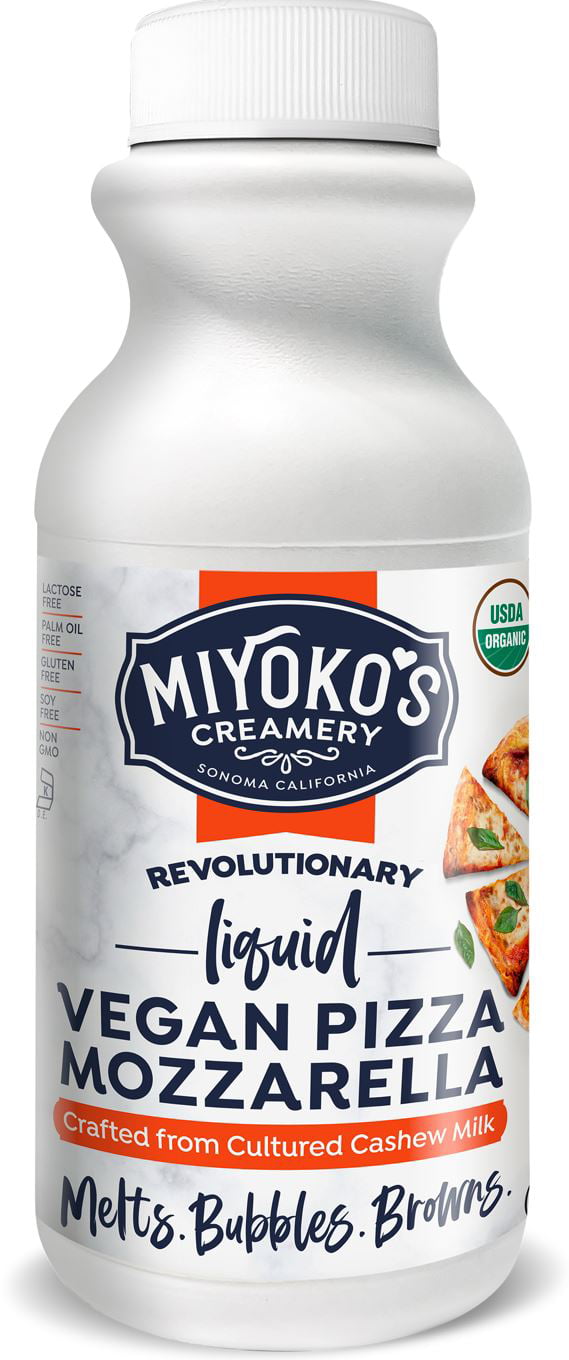
Miyoko's Creamery Liquid Vegan Pizza Mozzarella by Miyoko's Creamery
Revolutionizing the dairy-free category, Miyoko's Liquid Vegan Pizza Mozzarella solves the age-old problem of plant-based cheese failing to melt. By utilizing a cultured cashew base in a liquid format, this product browns and bubbles exactly like traditional dairy mozzarella when exposed to oven heat. It is a clean-label masterpiece that avoids the heavy starches and artificial binders found in many competitive vegan shreds.
The ethics of the brand are equally impressive, boasting a high 95/100 score due to its commitment to non-GMO organic ingredients and cruelty-free production. For enthusiasts of artisanal pizza who want to reduce their methane footprint, this is the definitive choice for a professional finish.
Pros
- Superior melting and browning capabilities
- Cultured for a complex, tangy flavor profile
- USDA Organic and Non-GMO Project Verified
Cons
- Requires high heat (500°F+) for optimal results
- Shorter shelf life once opened compared to shreds

Lotus Foods Organic Forbidden Rice by Lotus Foods
Lotus Foods Organic Forbidden Rice is an ancient grain for the modern era, packed with more antioxidants per serving than blueberries. This heirloom black rice is grown using "More Crop Per Drop" practices, which reduce water consumption by up to 50% while increasing yields for small-scale farmers. Its deep purple hue comes from anthocyanins, making it a functional food that supports cardiovascular health and reduces oxidative stress.
Cooking this rice reveals a nutty, earthy flavor profile that elevates simple grain bowls into gourmet experiences. As a Fair Trade product, it ensures that the cultural heritage of the grain is respected and the farmers are compensated fairly for their specialized knowledge.
Pros
- High anthocyanin content for cellular health
- Regenerative water-saving irrigation methods
- Certified GF and Non-GMO
Cons
- Longer cook time than white or brown rice
- Higher price point than commodity grains

Banza Chickpea Pasta Rotini by Banza
Banza has effectively changed the landscape of the pasta aisle by offering a high-protein, high-fiber alternative that doesn't sacrifice texture. Made primarily from chickpeas, this rotini contains double the protein and three times the fiber of traditional wheat pasta. It is particularly valuable for those managing blood sugar levels, as its lower glycemic index provides sustained energy without the sharp spikes associated with white flour pasta.
The brand's commitment to clean labels is evidenced by their EWG Verification, ensuring the product is free from concerning contaminants. While it requires careful timing to avoid overcooking, it remains the most reliable gluten-free pasta for holding onto sauces and maintaining an al dente bite.
Pros
- Massive 20g of protein per serving
- EWG Verified for health and transparency
- Quick cooking time (~8-9 minutes)
Cons
- Foams significantly when boiling
- Can become mushy if overcooked by even a minute

Misfits Plant-Powered Protein Bar by Misfits Health
For active individuals, the Misfits Plant-Powered Protein Bar stands out as a triple-threat: high protein, low sugar, and 100% vegan. Unlike many performance bars that rely on whey or soy isolates processed with harsh chemicals, Misfits focuses on a balanced blend that delivers a "chocolate bar" experience without the carbon footprint of dairy. It is an excellent choice for a post-workout recovery snack or a bridge between meals in a busy schedule.
The chocolate coating is surprisingly rich, and the texture avoids the chalkiness typical of plant protein bars. With a focus on cruelty-free sourcing and carbon-conscious distribution, Misfits aligns well with the values of the 2026 eco-conscious consumer.
Pros
- Indulgent taste with minimal sugar content
- Carbon-neutral brand aspirations
- Dairy-free and gluten-free
Cons
- Contains sugar alcohols which may cause sensitivity
- Packaging is not yet fully home-compostable

Califia Farms Unsweetened Almond Milk by Califia Farms
Califia Farms has become a household name by marrying shelf-stable convenience with a clean, unsweetened ingredient list. Their almond milk is notable for its creamy mouthfeel, achieved without the use of carrageenan or unnecessary gums. As a B Corp, Califia Farms is legally committed to social and environmental performance, focusing on water stewardship in California’s almond-growing regions.
While almond milk generally has a lower protein profile than soy or pea milk, this unsweetened version is an excellent low-calorie base for smoothies and coffee. It provides a reliable source of calcium and Vitamin E without the ethical baggage of industrial dairy farming.
Pros
- Creamy texture without thickeners like carrageenan
- B Corp certified social responsibility
- Zero grams of sugar per serving
Cons
- Lower protein content than other plant milks
- Almond farming requires significant water resources
💡 Pro tip
When shopping for clean label foods, look for the 'Certified Regenerative' seal. This 2026 standard goes beyond organic by ensuring the farming process actively restores soil health and sequesters carbon, making your pantry a tool for climate action.
💡 How to choose the best Food & Nutrition
Selecting the best sustainable clean label groceries 2026 requires a shift from looking merely at calories to looking at the entire lifecycle of the product. The goal is to maximize nutrient density while minimizing your toxic load and environmental impact. Start by examining the first three ingredients; in a clean label product, these should be whole foods you recognize, not chemical derivatives or isolates.
- 🧪 Verify Third-Party Logs: Don't just trust marketing; look for the Non-GMO Project Verified butterfly, USDA Organic seal, and the Fair Trade Certified logo.
- 🌿 Assess Packaging Impact: Favor brands using post-consumer recycled (PCR) materials or glass over virgin plastics to reduce your household waste.
- 💧 Check for Bioavailability: Ensure that plant-based items are fortified or naturally rich in essential nutrients like B12, Iron, and Omega fatty acids.
- 🧴 Avoid 'Natural Flavors': In 2026, the most transparent brands specify exactly what their flavoring agents are, rather than hiding behind vague industry terms.
⚠️ Watch out for Greenwashing
Be wary of products that use words like 'eco-friendly' or 'natural' without specific certifications to back them up. Always check the Ethics Score on QuickRatey to see the real data behind the brand's claims.
Sustainable eating is not about perfection, but about making intentional choices that support regenerative ecosystems and metabolic health.
❓ Frequently Asked Questions
What are the best plant based pantry staples for a healthy diet?
The best plant-based staples include ancient grains like black rice, legume-based pastas, and high-quality cooking oils like virgin coconut oil. These items provide the essential amino acids, fiber, and healthy fats necessary for a balanced nutritional profile without synthetic additives.
Best organic and fair trade cooking oils for sustainable kitchens?
Virgin coconut oil and extra virgin olive oil are the top choices for ethical kitchens in 2026. Brands like Nutiva set the standard by combining organic certification with Fair Trade practices that support small-scale global farmers.
How to choose high protein plant based snacks for active lifestyles?
Look for snacks that utilize pea, hemp, or brown rice proteins and have less than 5 grams of added sugar. Ensure the brand has a clean label certification to avoid the heavy metals sometimes found in low-quality plant protein isolates.
Best dairy free cheese for melting on vegan pizza?
Liquid mozzarella formulas, such as the one from Miyoko's Creamery, are currently the best for achieving a traditional dairy-style melt. These are cultured from cashews or oats and behave much better under high heat than traditional plant-based shreds.
Are chickpea pasta brands better for metabolic health than wheat?
Yes, chickpea pasta typically has a lower glycemic index and significantly higher fiber content than wheat pasta. This results in a slower release of glucose into the bloodstream, making it a superior choice for metabolic health and sustained energy.
Best sustainable rice varieties for low impact cooking?
Heirloom black rice and varieties grown using system of rice intensification (SRI) methods are the most sustainable. These methods use drastically less water and labor while producing a more nutrient-dense grain than industrial white rice.
🏆 Final verdict
The clear winners for the best sustainable clean label groceries 2026 are Nutiva Organic Virgin Coconut Oil for its unparalleled sourcing ethics and Miyoko's Creamery Liquid Vegan Pizza Mozzarella for its culinary innovation. While Banza Chickpea Pasta offers the best value for families seeking high-protein meals, Lotus Foods Forbidden Rice provides the highest antioxidant density for the health-conscious gourmet. By integrating these products into your weekly routine, you are supporting a food system that prioritizes soil health, social equity, and long-term human vitality.