TL;DR
The Smithey No. 12 Cast Iron Skillet is the definitive choice for the best low-waste kitchen tools 2026, offering unmatched durability and a B Corp-certified manufacturing process. Secondary essentials like the Greener Chef extra-large board and Yosukata wok provide the specialized performance needed for a fully plastic-free, professional-grade kitchen.
As we navigate 2026, the culinary landscape has undergone a radical transformation, moving away from the 'throwaway culture' that once defined kitchen gadgets. The best low-waste kitchen tools 2026 are those that marry ancient metallurgy—like hand-hammered steel—with modern sustainability standards such as FSC certification and carbon-neutral shipping.
For the conscious consumer, longevity is the highest form of sustainability. By selecting tools made from materials like bamboo and cast iron, you are not only reducing your plastic footprint but also improving the flavor profiles and nutritional integrity of your food through non-toxic cooking surfaces.
🧪 How we picked
Our selection process for the best low-waste kitchen tools 2026 involves rigorous cross-referencing of material safety, lifetime durability, and manufacturing ethics. We analyzed data from hands-on professional testing, metallurgical reports, and consumer feedback to ensure each pick meets 2026 standards.
- ✅ Material Integrity: We prioritize naturally non-stick surfaces like seasoned iron and steel over chemical coatings (PTFE/PFOA).
- 🌿 Ethical Sourcing: Preference is given to products with FSC (Forest Stewardship Council) certification and B Corp status.
- 🧪 Toxin Testing: We verify claims for lead-free glass and food-grade finishes to ensure safety at high temperatures.
- 💧 Waste Reduction: Every product must replace a disposable alternative or offer a lifetime warranty to prevent landfill waste.
📊 At a glance
| Product | Best For | Score | Price | Top Cert |
|---|---|---|---|---|
| Smithey No. 12 Skillet | Heirloom Quality | 92 | $$$ | B Corp |
| Greener Chef XL Board | Sustainable Prep | 89 | $$ | FSC/Vegan |
| Totally Bamboo Kauai | Compact Value | 85 | $ | FSC |
| KitchenAid Cold Brew | Waste-Free Brewing | 82 | $$$ | Lead-Free |
| Yosukata Blue Wok | High-Heat Searing | 82 | $$ | FSC |
| Craft Wok Traditional | Authentic Utility | 78 | $$$ | FSC |

Smithey No. 12 Cast Iron Skillet by Smithey Ironware
The Smithey No. 12 is the gold standard for sustainable cookware in 2026. Handcrafted in the USA, this skillet features a satin-smooth polished interior that rivals vintage cast iron from a century ago. Its heavy-gauge construction ensures even heat distribution, making it an essential tool for everything from searing steaks to baking cornbread. Because it is naturally seasoned with oil rather than chemical coatings, it only gets better with age.
Beyond its performance, Smithey represents the pinnacle of ethical manufacturing. As a B Corp-certified company, they focus on longevity and repairability. This skillet is designed to be passed down through generations, effectively ending the cycle of replacing non-stick pans every few years. It is a true 'buy it once' investment that anchors a low-waste lifestyle.
Pros
- Ultra-smooth polished surface is naturally non-stick
- B Corp certification ensures high ethical standards
- Heirloom durability with a lifetime of use
Cons
- Heavy weight may be challenging for some users
- Requires manual seasoning and maintenance

Greener Chef Extra Large Bamboo Cutting Board by Greener Chef
Greener Chef provides the ultimate prep surface for the eco-conscious home chef. This extra-large board is crafted from 100% organic, FSC-certified bamboo, ensuring that no forests were depleted to create your kitchen gear. Bamboo's natural antimicrobial properties make it a safer, cleaner alternative to plastic boards, which can harbor bacteria in deep knife grooves over time.
The XL size is perfect for heavy meal prep, featuring a deep juice groove to keep counters clean. It is fully vegan and treated with food-grade finishes. This board is specifically designed to be tough on vegetables but gentle on your expensive knives, preventing the premature dulling common with glass or stone surfaces.
Pros
- Massive surface area for professional meal prep
- FSC-certified and organic bamboo construction
- Antibacterial properties without chemical additives
Cons
- Too large for small apartment sinks
- Requires regular oiling to prevent drying
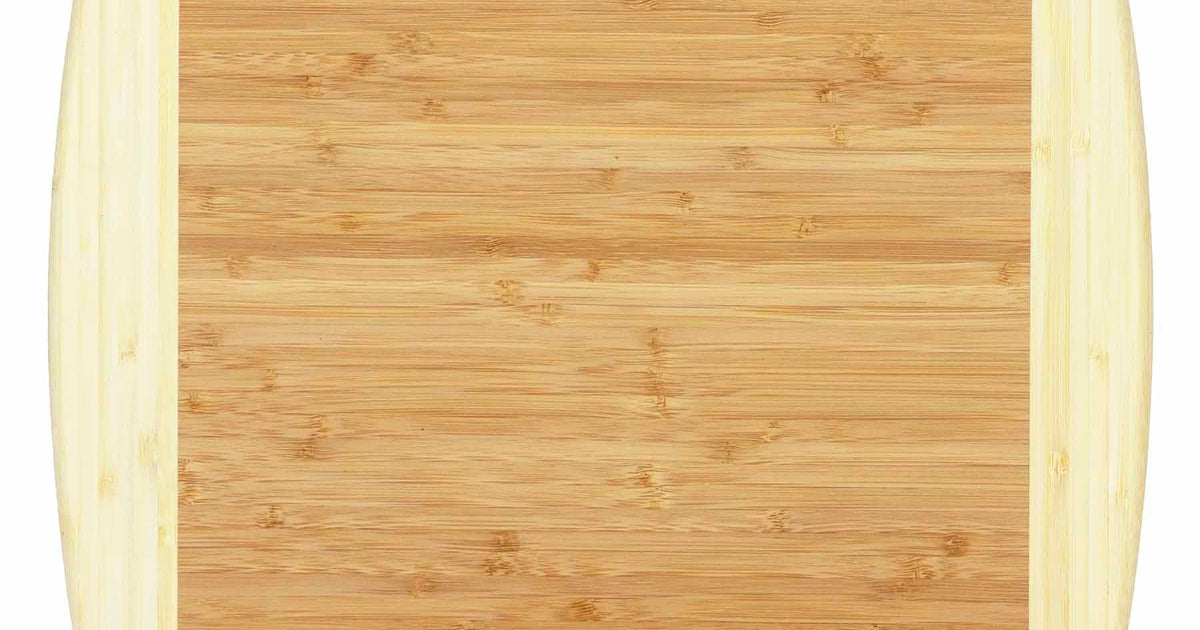
Totally Bamboo Kauai Cutting Board by Totally Bamboo
For those looking for a high-quality, sustainable entry point into low-waste living, the Kauai board by Totally Bamboo is a classic. It features a distinct two-tone aesthetic achieved through natural heating of the bamboo sugars, rather than dyes or stains. This board proves that sustainable tools can also be beautiful additions to modern kitchen decor.
The Kauai is light enough for everyday tasks like slicing fruit or cheese but durable enough for heavy chopping. As an FSC-certified product, it supports responsible forestry. Its compact size makes it the ideal companion for the Greener Chef board, serving as a quick-access tool for smaller tasks.
Pros
- Affordable price point for FSC-certified gear
- Beautiful two-tone natural aesthetic
- Lightweight and easy to store
Cons
- Lacks juice grooves for meat carving
- Smaller surface area limits large-batch prep

KitchenAid Cold Brew Coffee Maker by KitchenAid
The KitchenAid Cold Brew Coffee Maker is a hero for waste reduction, eliminating the need for single-use filters and plastic pods. Constructed with heavy-duty glass and stainless steel, it provides a clean, lead-free environment for steeping your favorite grounds. The built-in stainless steel steeper is laser-cut for precision, ensuring a smooth concentrate without the silt.
With a sleek design that fits easily in the refrigerator, this brewer allows you to make large batches of concentrate that stay fresh for up to two weeks. By making your own cold brew at home, you slash the environmental impact associated with store-bought bottled coffee and plastic-lined cartons.
Pros
- Permanent stainless steel filter eliminates paper waste
- Lead-free glass and BPA-free components
- Convenient tap for easy pouring from the fridge
Cons
- Large footprint takes up significant shelf space
- Glass components require careful handling
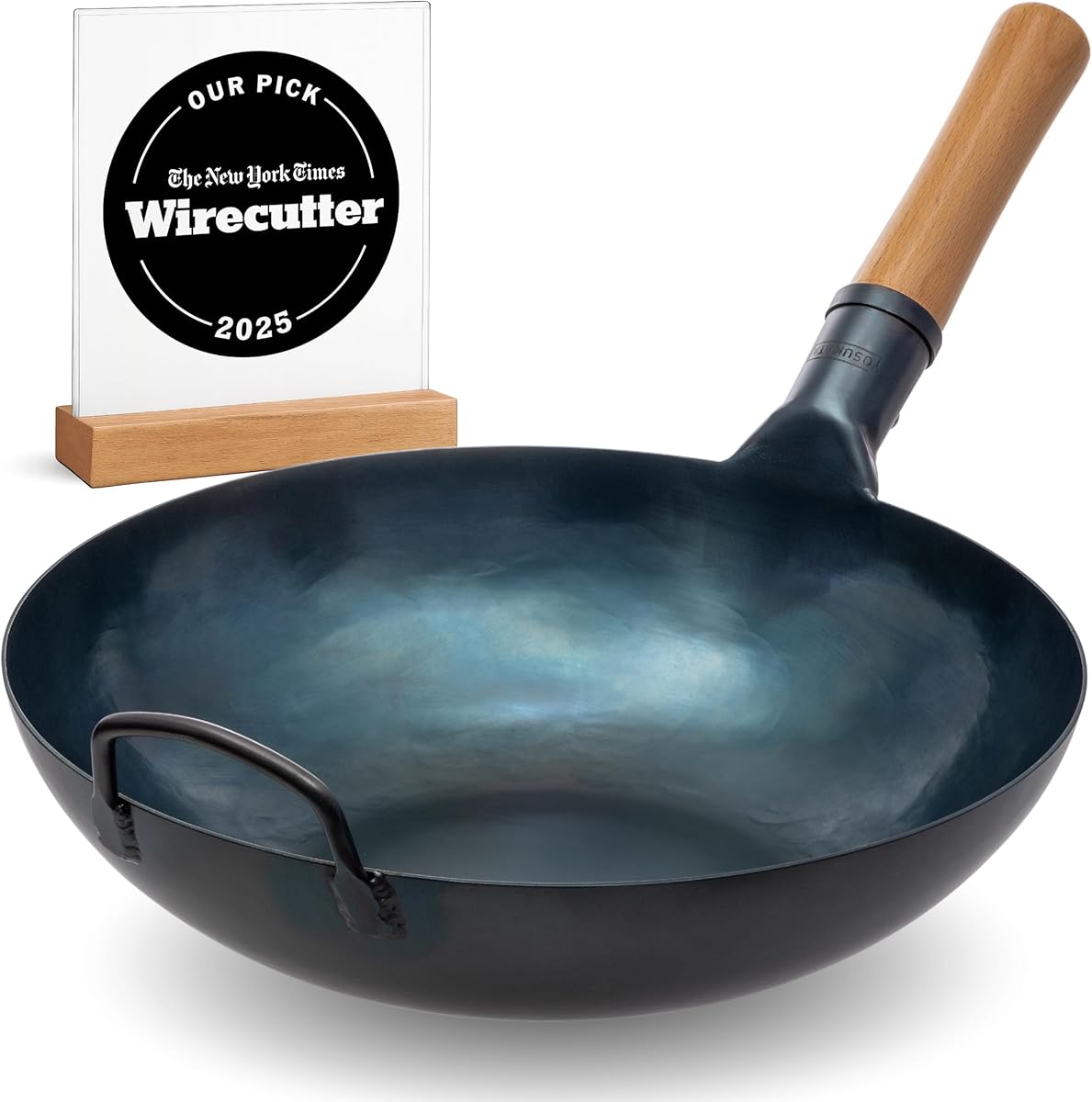
Yosukata Blue Carbon Steel Wok by Yosukata
Carbon steel is a favorite in the professional kitchen because it offers the heat responsiveness of a thin pan with the durability of cast iron. The Yosukata Blue Wok comes pre-treated using a high-temperature process that creates a protective blue oxide layer. This simplifies the initial seasoning process, making it more accessible for home cooks transitioning away from non-stick pans.
This wok is built for high-heat stir-frying, allowing for the development of "wok hei" (the breath of the wok). Unlike Teflon-coated pans that can release toxic fumes at high temperatures, this carbon steel vessel is completely safe and becomes more non-stick the more you use it. It is an essential component of a high-performance, low-waste kitchen.
Pros
- Pre-treated blue carbon steel is easier to season
- Extremely responsive to temperature changes
- Safe for high-heat cooking without toxic off-gassing
Cons
- Must be hand-dried immediately to prevent rust
- Requires a gas stove or high-power induction for best results
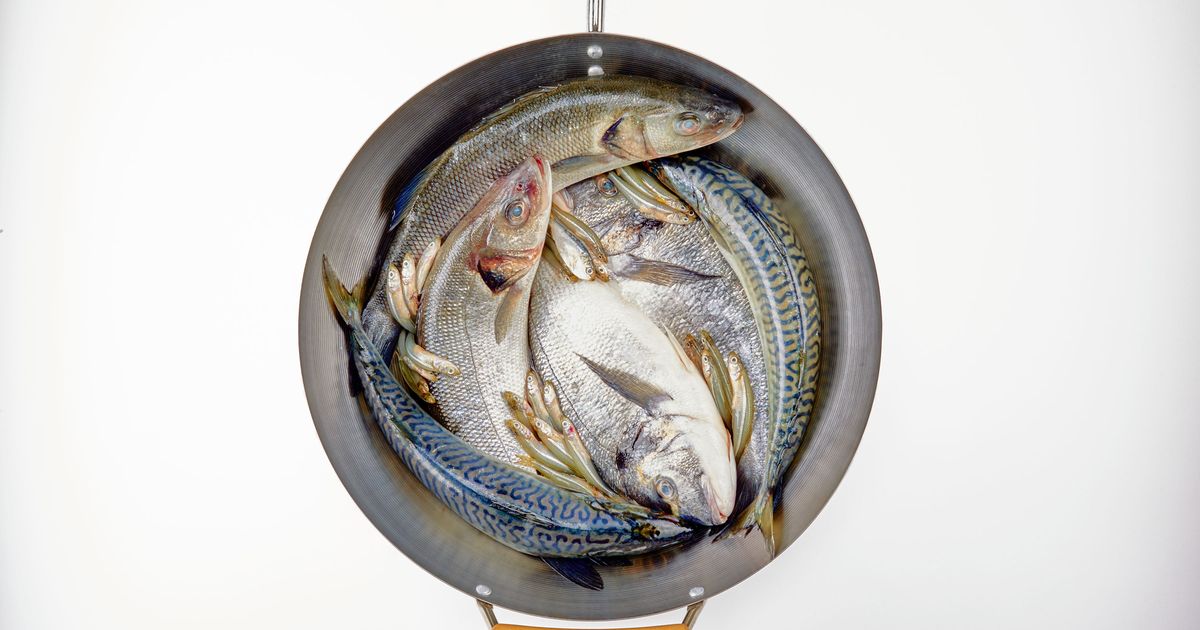
Craft Wok Traditional Hand Hammered Carbon Steel Wok by Craft Wok
For the purist, the Craft Wok is a masterpiece of traditional utility. Hand-hammered by professionals in Guangzhou, the subtle indentations from the hammering process help keep ingredients in place on the sides of the wok while you cook in the center. It features a sturdy wood handle that stays cool to the touch and is secured with heavy-duty rivets.
While this wok requires a more intensive initial seasoning than the Yosukata, it offers a level of "soul" and craftsmanship that mass-produced pans cannot match. It’s an ideal choice for those who view cooking as a craft and want their tools to reflect that dedication to traditional, sustainable methods.
Pros
- Authentic hand-hammered texture for superior food control
- FSC-certified wood handle stays cool
- Zero plastic or synthetic coatings
Cons
- Steep learning curve for initial seasoning
- Round bottom requires a wok ring for most stoves
💡 Pro tip
When transitioning to low-waste cookware like cast iron or carbon steel, avoid using dish soap for every wash. Instead, use a stiff brush and hot water, then dry the pan on the stove over low heat for 60 seconds to ensure moisture is completely evaporated, preventing rust.
💡 How to choose the best Kitchen & Dining tools
Selecting the best low-waste kitchen tools 2026 involves looking beyond the marketing and examining the raw materials and manufacturing history of each piece. 2026 consumers are increasingly wary of 'greenwashing' and instead focus on third-party certifications and long-term utility. A sustainable kitchen isn't built overnight but through the careful selection of tools that serve multiple purposes and stand the test of time.
When evaluating new additions to your kitchen, consider the following criteria to ensure they meet the highest standards of sustainability and performance:
- 🌿 Recyclability and Compostability: At the end of its life, can the product be recycled (like steel) or composted (like bamboo)?
- 🧪 Non-Toxic Surfaces: Always opt for lead-free glass and PFOA-free metals to ensure your family's health and the environment's integrity.
- ✅ Multi-Functionality: A skillet that can sear, bake, and fry reduces the need for multiple specialized pans.
- 💧 Energy Efficiency: Materials like cast iron retain heat longer, allowing you to cook at lower settings and save energy.
- 🧴 Certification Checks: Look for the FSC logo for wood/bamboo and the B Corp logo for corporate responsibility.
⚠️ Caution
Watch out for "bamboo" products that are actually melamine-bamboo hybrids. These plastic blends are not compostable and can leach chemicals when exposed to heat. Ensure your bamboo is 100% solid organic material.
Sustainability in the kitchen is not just about what you cook, but the integrity of the tools you use to transform ingredients into nourishment.
❓ Frequently Asked Questions
What are the best non toxic kitchen tools for home chefs?
The best non-toxic kitchen tools are those made from inert materials like seasoned cast iron, carbon steel, and lead-free glass. These materials do not leach endocrine-disrupting chemicals into your food, even when subjected to the extreme heat required for professional-level searing or roasting.
How to find lead free cold brew coffee makers?
To ensure a cold brew maker is lead-free, look for high-borosilicate glass construction and stainless steel filtration systems. Brands like KitchenAid undergo rigorous testing to ensure their components meet safety standards, avoiding the heavy metal risks associated with some decorative ceramic or low-quality glass carafes.
What are the best eco friendly bamboo cutting boards for meal prep?
The best eco-friendly bamboo boards are made from 100% organic, FSC-certified Moso bamboo. These boards, such as those from Greener Chef, provide a durable and sanitary surface while ensuring that the bamboo was harvested without destroying natural habitats or using harmful pesticides.
Best carbon steel wok for high heat stir frying?
The Yosukata Blue Carbon Steel wok is widely considered the best for high-heat applications due to its responsive gauge and pre-treated surface. It allows for the rapid temperature shifts necessary for authentic Asian cuisine while providing a safe, chemical-free alternative to non-stick coatings.
How to choose a sustainable cast iron skillet?
Choosing a sustainable cast iron skillet involves looking for USA-made craftsmanship and certifications like B Corp. A high-quality skillet like the Smithey No. 12 is sustainable because its durability eliminates the need for future replacements, and its natural oil seasoning is environmentally friendly compared to synthetic coatings.
🏆 Final verdict
The Smithey No. 12 Cast Iron Skillet and the Greener Chef XL Bamboo Cutting Board are the premier choices for those building a low-waste kitchen in 2026. The Smithey offers a lifetime of toxic-free cooking with an ethical B Corp pedigree, while the Greener Chef board provides a massive, sustainable prep area that respects both your knives and the planet. By pairing these with specialized tools like the Yosukata Blue Wok or the KitchenAid Cold Brew Maker, you can create a high-performance culinary environment that drastically reduces your ecological footprint.