TL;DR
The Karst Stone Paper Notebook is the best pick for the best low-waste creative writing supplies 2026 due to its zero-water manufacturing and exceptional durability. Other top performers include A Good Company’s recycled coffee husk journals and Schneider’s vegan-certified recycled pens for everyday use.
🧪 How we picked
Our selection process involves analyzing technical specifications and environmental impact reports to ensure every recommendation meets the rigorous standards of a modern, conscious creator. We evaluate products based on material lifecycle, tactile performance, and refillability.
- 🌿 Material Circularity: We prioritize items made from post-consumer waste or rapidly renewable resources like stone and agricultural byproducts.
- ✅ Ergonomics and UX: A tool must be comfortable for long-form writing sessions to be considered professional-grade.
- 🧪 Ink Compatibility: For paper products, we test for feathering, ghosting, and bleed-through using various nib sizes.
- 💧 Supply Chain Ethics: We verify certifications such as B Corp, FSC, and Vegan labels to ensure ethical labor and production.
📊 At a glance
| Product | Best For | Score | Price | Top Cert |
|---|---|---|---|---|
| Karst Stone Paper Notebook | Waterproof Writing | 98/100 | $$$ | B Corp, Vegan |
| A Good Company Coffee Husk Notebook | Texture Lovers | 96/100 | $$$ | B Corp, FSC |
| Schneider Recycled Plastic Pen | Daily Journaling | 92/100 | $$$ | Vegan, Cruelty-Free |
| Life Noble Note Grid | Premium Smoothness | 90/100 | $$$ | Vegan |
| TreeFreeGreetings Pencils | Sketching & Notes | 88/100 | $ | FSC, Vegan |
| FWP Carousel Inkwell | Desk Aesthetics | 85/100 | $$ | Vegan, Cruelty-Free |

Stone Paper Notebook by Karst
The Karst Stone Paper Notebook is a revolution in the stationery world, utilizing calcium carbonate and resin to create a surface that is completely tree-free. Because no water or bleach is used in the production process, its carbon footprint is estimated to be 67% smaller than traditional wood-pulp paper. The result is a page that feels velvety smooth, is naturally waterproof, and resists tearing, making it ideal for adventurous writers.
Writing on stone paper is a unique experience; pens glide across the surface with almost zero friction. It is particularly well-suited for ballpoint and rollerball pens, though fountain pen users should note longer dry times. Its B Corp status ensures that the company maintains high social and environmental performance, making this the gold standard for sustainable stationery in 2026.
Pros
- Completely waterproof and tear-resistant pages.
- No trees, water, or bleach used in manufacturing.
- B Corp certified with a high ethics rating.
Cons
- Ink takes longer to dry compared to pulp paper.
- Higher price point for premium materials.
Recycled Coffee Husk Notebook by A Good Company
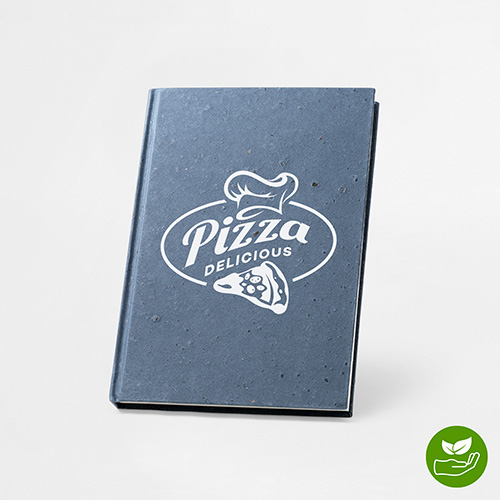
A Good Company has achieved something remarkable by turning agricultural waste into a high-end writing surface. This notebook features a cover and pages partially derived from recycled coffee husks—the outer layer of the coffee bean usually discarded during roasting. The paper has a unique, slightly off-white tone and a subtle texture that provides excellent feedback for those who enjoy the tactile sensation of pen on paper.
Beyond its eco-credentials, the notebook is exceptionally durable and features a lay-flat binding that is essential for professional writers and designers. It carries both FSC and B Corp certifications, ensuring that every stage of its lifecycle—from the coffee farm to your desk—is handled with the utmost respect for the planet and workers.
Pros
- Innovative use of agricultural waste (coffee husks).
- Lay-flat design for easy writing across the spine.
- Top-tier ethical certifications (B Corp, FSC).
Cons
- Distinctive texture might not suit all pen types.
- Limited availability in physical retail stores.

Recycled Plastic Fountain Pen by Schneider
Schneider has long been a leader in German engineering, and their recycled plastic fountain pen proves that sustainability doesn't have to mean a loss in performance. Constructed from post-consumer recycled plastics, this pen offers a lightweight but sturdy body that fits comfortably in the hand for extended writing sessions. It is designed to be fully refillable, encouraging users to move away from disposable plastic pens.
The stainless steel nib provides a consistent, smooth ink flow that rivals much more expensive luxury pens. While the aesthetic is minimalist and functional, the environmental impact is where this tool shines. By utilizing recycled materials and a vegan-friendly assembly, Schneider offers a practical solution for the eco-conscious student or professional.
Pros
- Made from high-quality post-consumer recycled plastic.
- Smooth-writing stainless steel nib for daily use.
- Affordable entry point into sustainable fountain pens.
Cons
- Lightweight body may feel less "premium" than metal.
- Supplied with a plastic cartridge initially.

Life Noble Note Section Grid by Life Co., Ltd.
For writers who demand the highest level of ink compatibility, the Life Noble Note is a Japanese masterpiece of paper engineering. While it uses traditional pulp, it is manufactured with a strict focus on longevity and material purity. The grid layout is perfect for technical writers, architects, or anyone who appreciates a structured page. The paper is famously "fountain pen friendly," meaning it resists feathering and bleed-through even with the wettest inks.
This notebook stands out for its vintage aesthetic and handmade quality. Life Co. adheres to strict quality controls, and the vegan-certified production process ensures no animal-derived glues are used in the binding. It is a premium choice for those who view their journals as heirloom objects that must withstand the test of time.
Pros
- Acid-free paper prevents yellowing over decades.
- Superior resistance to ink bleeding and feathering.
- Elegant, vintage-inspired aesthetic.
Cons
- Still relies on wood pulp (unlike stone/coffee options).
- Higher price per page than standard notebooks.
Eco-Friendly Recycled Newspaper Pencils by TreeFreeGreetings
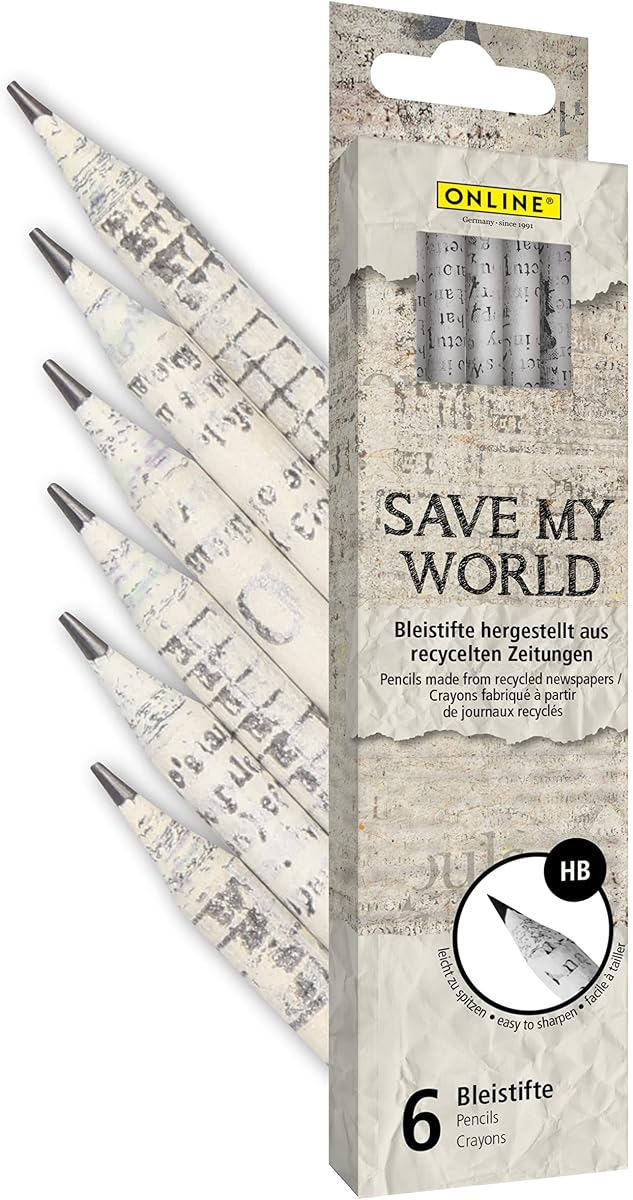
These pencils are a masterclass in creative recycling. Instead of using cedar wood, TreeFreeGreetings wraps high-quality graphite in tightly rolled sheets of recycled newspaper. When you sharpen the pencil, you can actually see the layers of newsprint, which creates a beautiful, variegated look. This process saves millions of trees while providing a tool that performs exactly like a high-end wooden pencil.
The pencils are sturdy, easy to sharpen, and the graphite core is smooth and consistent. They are an excellent choice for sketching, note-taking, or as a classroom staple. Being both FSC certified and vegan, they represent a small but significant change anyone can make to reduce their daily environmental footprint.
Pros
- Saves cedar trees by using post-consumer newsprint.
- Easy to sharpen without the splintering found in cheap wood.
- Visually unique and conversation-starting design.
Cons
- Does not include an eraser on most models.
- Slightly heavier than traditional wooden pencils.

Ferris Wheel Press The Carousel Inkwell by Ferris Wheel Press
The Carousel Inkwell is a stunning piece of desk hardware that encourages the use of bottled ink over disposable plastic cartridges. Designed with both form and function in mind, it allows you to decant your favorite inks into a beautiful, faceted glass vessel that prevents spills and evaporation. Using an inkwell is a major step toward a zero-waste writing setup, as glass is infinitely recyclable and bottled ink lasts much longer than individual cartridges.
Ferris Wheel Press is known for its "magic of writing" philosophy, and this inkwell is no exception. It features a secure, screw-top lid and a stable base, making it a reliable companion for calligraphy artists and fountain pen enthusiasts alike. It is a vegan and cruelty-free product that adds a touch of whimsical luxury to any sustainable home office.
Pros
- Eliminates the need for single-use plastic cartridges.
- Premium glass construction is durable and recyclable.
- Beautiful design serves as functional desk decor.
Cons
- Requires a separate fountain pen with a converter.
- Higher initial investment for an ink accessory.
💡 Pro tip
When transitioning to a low-waste desk, don't throw out your existing plastic pens. Use them until they are completely dry before replacing them with sustainable alternatives. The most eco-friendly tool is the one you already own!
⚠️ Note on Stone Paper
Stone paper is photodegradable but not traditionally compostable. It should be recycled with category 2 plastics (HDPE) in most municipalities, rather than with traditional paper products.
💡 How to choose the best Office & Stationery
Selecting the best low-waste creative writing supplies 2026 demands requires a balance between material origin and long-term utility. For professional writers, the "best" tool is one that will not end up in a landfill within a year. Look for refillable systems—such as fountain pens with converters or mechanical pencils—that allow you to replenish only the consumable portion of the tool. This significantly reduces the volume of plastic waste generated over a career.
Consider the "hidden" environmental costs of your supplies, such as water usage and chemical bleaching. Innovations like stone paper and coffee husk paper provide high-performance alternatives that bypass these traditional industrial hurdles. When shopping for the best low-waste creative writing supplies 2026 offers, use these criteria to guide your purchase:
- ✅ Refillability: Does the tool allow for ink or lead replacement without discarding the housing?
- 🌿 Material Innovation: Is the product made from recycled content (plastic/newspaper) or agricultural waste (coffee/wheat)?
- 🧪 Chemical Safety: Look for acid-free paper and non-toxic inks to ensure your workspace remains a healthy environment.
- 📏 Longevity: Is the build quality sufficient to last through years of daily use?
- ✨ Certifications: Verify claims using B Corp, FSC, or Global Recycled Standard (GRS) databases.
Sustainability in writing isn't just about the paper; it's about shifting from a disposable mindset to one of curated, long-lasting tools.
❓ Frequently Asked Questions
best stone paper notebooks for fountain pen users
The Karst Stone Paper Notebook is widely considered the top choice for stone paper, though fountain pen users should use extra-fine nibs to manage its non-porous surface. Because stone paper does not absorb ink like wood pulp, drying times are significantly longer, but the benefit is zero bleed-through even with heavy ink application.
how to find sustainable wood-free pencils for sketching
Look for pencils made from recycled newspaper or bamboo, which provide the same graphite quality as cedar pencils without the deforestation. TreeFreeGreetings offers excellent newsprint-based options that sharpen smoothly and feel familiar in the hand of an artist.
best recycled plastic fountain pens for daily journaling
The Schneider Recycled Plastic Fountain Pen is the premier choice for 2026, combining German engineering with post-consumer recycled materials. It is lightweight, durable, and uses a standard converter system to eliminate the need for disposable cartridges.
are coffee husk notebooks good for ink bleeding
Yes, coffee husk notebooks like those from A Good Company are highly resistant to ink bleeding due to the dense fiber structure of the agricultural waste used. They offer a unique tactile experience and a sturdy surface that handles both gel pens and fountain pens with ease.
best eco-friendly ink storage for calligraphy artists
Glass inkwells, such as the Ferris Wheel Press Carousel, are the best choice for storing bulk ink while minimizing plastic waste. Glass is non-reactive and infinitely recyclable, making it the ideal medium for professional-grade calligraphy supplies.
sustainable stationery sets for professional writers 2026
The ideal professional kit for 2026 includes a stone paper notebook for durability, a recycled plastic fountain pen for comfort, and bottled ink to maximize refillability. This combination addresses all aspects of waste—from material sourcing to end-of-life disposal—while maintaining a high-performance workspace.
🏆 Final verdict
For the best overall experience, we recommend the Karst Stone Paper Notebook as the primary choice for its sheer innovation and durability, while the Schneider Recycled Plastic Fountain Pen serves as the perfect daily driver for those looking to ditch disposable plastics. Together, these tools represent the pinnacle of sustainable office design in 2026, offering professional performance without compromising the health of our planet.