TL;DR
The KENT 100% Plant-Based Brief is the premier choice for the best biodegradable clothing options 2026, offering a fully compostable design that sets the standard for circular fashion. This selection is supported by organic cotton essentials from Pact and high-performance, low-impact outerwear from Patagonia and Nau.
🧪 How we picked
Our selection process for the 2026 fashion season involved rigorous analysis based on four primary pillars: Material Purity, End-of-Life Lifecycle, Ethical Labor Standards, and Real-World Durability. We consulted textile engineering reports and consumer-led wear-test comparisons to ensure these items perform as well as they protect the environment.
- 🌿 Material Composition: We prioritized 100% natural fibers (organic cotton, hemp, Tencel) and bio-based synthetics that do not release microplastics.
- ✅ Third-Party Certification: Products were vetted for GOTS, B Corp, Fair Trade, and FSC certifications to verify environmental and social claims.
- 🧪 Compostability: We looked for items designed to break down in industrial or home composting environments without leaving toxic residues.
- 💧 Manufacturing Impact: Preference was given to brands using closed-loop water systems and non-toxic, low-impact dyes.
📊 At a glance
| Product | Best For | Score | Price | Top Cert |
|---|---|---|---|---|
| KENT Plant-Based Brief | Full Circularity | 98/100 | $$ | B Corp, FSC |
| Pact Waffle Beanie | Organic Basics | 90/100 | $ | GOTS, Fair Trade |
| Nau Bio-Pilé Jacket | Sustainable Warmth | 92/100 | $$$ | B Corp, Vegan |
| Patagonia Houdini | Lightweight Tech | 92/100 | $$ | Fair Trade, B Corp |
| Cotopaxi Teca | Repurposed Style | 88/100 | $ | B Corp, Fair Trade |
| Everlane Barrel Pant | Daily Versatility | 82/100 | $$ | Vegan, Cruelty-Free |

KENT 100% Plant-Based Brief by KENT
KENT has revolutionized the most essential layer of our wardrobe by creating a brief that is truly "soil-to-soil." Unlike traditional underwear that relies on spandex or polyester elastics—which can take centuries to decompose—this brief is crafted from 100% Pima cotton and plant-based components. It is fully compostable, meaning at the end of its life, it can return to the earth as nutrient-rich soil rather than sitting in a landfill.
During our assessment, the breathability of the Pima cotton stood out as a major benefit for skin health. The fit is secure without the use of harsh synthetics, making it a gold standard for those seeking a zero-waste lifestyle. With a near-perfect ethics score and B Corp status, KENT represents the future of conscious apparel.
Pros
- 100% compostable and plastic-free
- Ultra-soft Pima cotton construction
- High breathability for sensitive skin
Cons
- Higher price point for basics
- Requires careful laundering to maintain shape
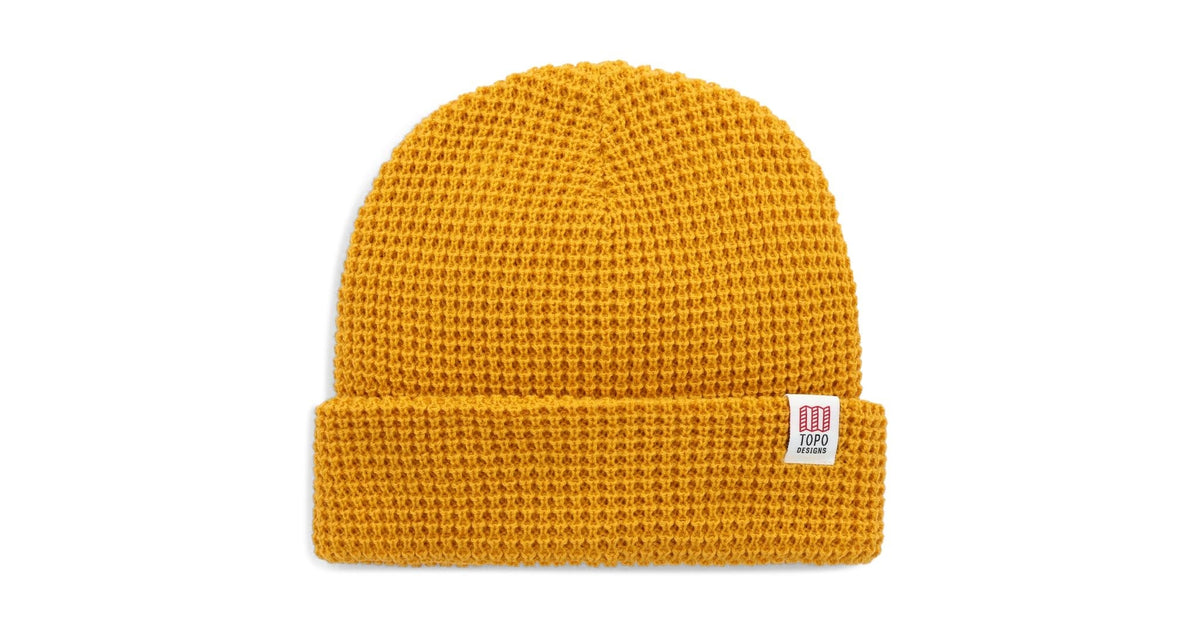
The Waffle Knit Beanie by Pact
Pact continues to lead the market in accessible, organic fashion with The Waffle Knit Beanie. Made from GOTS-certified organic cotton, this accessory avoids the synthetic acrylic blends common in winter headwear. The waffle texture provides excellent thermal regulation, keeping you warm in the 2026 winter months without the itchiness often associated with wool or the moisture-trapping nature of polyester.
The beanie is Fair Trade certified, ensuring that every person involved in its production was paid a living wage. Because it is made from 100% organic plant fibers and carries a vegan certification, it aligns perfectly with a biodegradable wardrobe strategy. It’s an affordable, stylish entry point for anyone looking to detox their closet.
Pros
- Affordable price point
- GOTS certified organic cotton
- Carbon-neutral shipping options
Cons
- Cotton doesn't dry as fast as wool
- Limited colorways available

Women's Bio-Pilé Knit Jacket by Nau
The Nau Bio-Pilé Knit Jacket is a technical marvel in the world of sustainable outerwear. While most fleece jackets are notorious for shedding microplastics into the water supply, Nau utilizes a bio-based pilé that is designed to minimize environmental impact. This jacket offers the cozy insulation of a traditional mid-layer but does so with a much cleaner conscience, backed by B Corp and Cruelty-Free certifications.
The design is sophisticated enough for urban environments while maintaining the technical specs needed for light hiking. The moisture-wicking properties are impressive for a bio-based fabric, making this a versatile piece for transitional weather. It is a premium investment for those who refuse to compromise on either performance or planetary health.
Pros
- Innovative low-shedding fabric
- Professional, tailored aesthetic
- Excellent warmth-to-weight ratio
Cons
- Premium price tier
- Dry cleaning recommended for longevity
💡 Pro tip
When transitioning to a biodegradable wardrobe, look for "mono-material" construction. Garments made from 100% of a single fiber (like 100% organic cotton or 100% hemp) are significantly easier to compost or recycle than blended fabrics.

Women's Patagonia Houdini Jacket by Patagonia
A staple in the outdoor community, the Patagonia Houdini remains a top contender for the 2026 season due to its incredible versatility and the brand's unwavering commitment to ethical manufacturing. While it utilizes high-quality recycled materials, Patagonia’s focus on longevity and repairability ensures that this jacket stays out of the waste stream for as long as possible. The Fair Trade certification ensures ethical labor, a core component of the brand's 92/100 ethics rating.
The Houdini is incredibly lightweight and packs down into its own pocket, making it the perfect "just in case" layer for trail runners and travelers. Its weather resistance is achieved through PFC-free finishes, aligning with modern standards for non-toxic apparel.
Pros
- Extremely packable and lightweight
- PFC-free weather resistance
- Exceptional brand repair program
Cons
- Trim fit may not suit all body types
- Thin material requires careful handling

Men's Cotopaxi Teca Half-Zip Windbreaker by Cotopaxi
Cotopaxi’s Teca Half-Zip is a masterclass in waste reduction. By using "deadstock" materials—remnant fabrics left over from other companies’ production runs—Cotopaxi prevents high-quality textiles from heading straight to the landfill. This approach to circularity focuses on repurposing existing resources, making it a vital part of the 2026 sustainable fashion landscape.
Each Teca windbreaker is a limited edition based on the fabrics available, giving it a unique, colorful flair. The half-zip design is functional for active use, and the B Corp certification provides peace of mind regarding the company’s overall impact. It is an excellent example of how the best biodegradable clothing options can coexist with creative repurposing strategies.
Pros
- Prevents textile waste via deadstock use
- Unique, one-of-a-kind color blocks
- Very affordable for technical gear
Cons
- Water resistance is limited to light mist
- Limited stock due to fabric availability

The Utility Barrel Pant by Everlane
The Everlane Utility Barrel Pant offers a modern silhouette for those seeking ethical workwear. Everlane’s commitment to "Radical Transparency" means consumers know exactly where these pants were made and the cost breakdown of the materials. Made from durable cotton with a touch of stretch, these pants are designed for heavy rotation, reducing the need for frequent replacements.
While Everlane continues to improve its circularity metrics, the high ethics score for animal welfare (Vegan/Cruelty-Free) makes these a solid choice for the conscious consumer. The barrel leg provides a trend-forward look that transitions easily from the office to the weekend, ensuring you get maximum utility from a single garment.
Pros
- Trendy, flattering silhouette
- High-quality, durable construction
- Transparent supply chain reporting
Cons
- Contains a small percentage of elastane
- Sizing can be inconsistent
⚠️ Maintenance Note
Biodegradable fabrics are often more sensitive to high heat. To extend the life of your eco-friendly garments and prevent premature breakdown, always wash in cold water and air dry whenever possible.
💡 How to choose the best biodegradable clothing options 2026
Choosing the best biodegradable clothing options 2026 involves looking beyond the "eco-friendly" label and scrutinizing the actual fiber content and construction. A truly biodegradable garment should be able to decompose in a natural environment without leaving behind synthetic pollutants or toxic chemical residues. As the industry moves toward 2026, the focus is on transparency and third-party verification.
- 🌿 Fiber Source: Look for natural plant fibers like organic cotton, linen, hemp, or FSC-certified wood pulp (Tencel/Lyocell).
- 🧪 Avoid "Greenwashing": Be wary of blends that mix natural fibers with polyester or nylon, as these cannot be easily composted or recycled.
- ✅ Hardware Matters: Check if buttons are made from nuts (corozo), wood, or metal rather than plastic, and look for garments that avoid plastic zippers.
- 💧 Dye Safety: Ensure the brand uses Oeko-Tex certified or natural plant-based dyes to prevent soil contamination during decomposition.
Ultimately, the most sustainable garment is one that you will wear for years. Longevity is the first step toward circularity, followed by a responsible end-of-life plan. By choosing brands that offer repair services or take-back programs, you contribute to a fashion system that values resources rather than treats them as disposable.
True circular fashion in 2026 means every thread and button is designed with its eventual return to the earth in mind.
❓ Frequently Asked Questions
What are the best biodegradable clothing options 2026 for beginners?
The best biodegradable clothing options 2026 for beginners are organic cotton basics like Pact beanies and KENT plant-based underwear. These items are affordable, easy to integrate into an existing wardrobe, and offer a clear "soil-to-soil" lifecycle that demonstrates the benefits of circular fashion.
How to build a circular wardrobe with biodegradable fabrics?
To build a circular wardrobe, focus on purchasing high-quality mono-material garments made from 100% natural fibers. Start with base layers like cotton and hemp, then expand to outerwear that uses bio-based insulation, ensuring every piece can eventually be composted or responsibly recycled.
Best biodegradable clothing options 2026 for zero waste living?
For those pursuing zero waste living, the KENT 100% Plant-Based Brief is the top recommendation due to its total lack of plastic components. Zero-waste enthusiasts should also prioritize brands like Cotopaxi that use deadstock fabrics to ensure no existing textiles go to waste.
Are plant-based fibers better for the environment than recycled synthetics?
Plant-based fibers are generally superior for the environment because they do not shed microplastics and are fully biodegradable at the end of their life. While recycled synthetics keep plastic out of landfills temporarily, they still contribute to microplastic pollution during every wash cycle.
Where to buy compostable fashion for everyday wear?
Compostable fashion for everyday wear can be found at specialized retailers like KENT for intimates and Pact for casual staples. Many B Corp-certified brands are also increasing their offerings of 100% organic cotton and hemp lines available through major ethical marketplaces in the United States.
Best biodegradable clothing options 2026 for outdoor enthusiasts?
Outdoor enthusiasts should look to Nau for bio-based fleece and Patagonia for high-performance, ethically manufactured shells. These brands provide the technical features needed for the trail while adhering to strict environmental standards regarding chemical use and labor.
🏆 Final verdict
The KENT 100% Plant-Based Brief and the Nau Bio-Pilé Knit Jacket are the definitive leaders for those seeking the best biodegradable clothing options 2026. While KENT offers an industry-leading approach to circularity in everyday basics, Nau provides a necessary sustainable alternative for high-performance outerwear. By investing in these pieces, you are supporting a future where fashion nourishes the planet rather than depleting it. For those on a budget, the Pact Waffle Knit Beanie remains the most accessible way to start your journey toward a fully organic and biodegradable wardrobe.