
TL;DR
Energy efficient living room furniture functions by enhancing a room's thermal mass and providing passive insulation through dense materials and high-performance textiles. In 2026, the most effective pieces utilize Phase Change Materials (PCM) and cellular structures to regulate indoor temperatures without relying on external power sources.
We've entered an era where every square inch of our homes is expected to perform. In 2026, the search for energy efficient living room furniture has moved past simple aesthetics into the realm of building science. Many shoppers believe that energy efficiency is strictly reserved for things with plugs, like lamps or space heaters, but the physical mass of your seating and surfaces acts as a critical thermal buffer.
These myths persist because furniture is traditionally viewed as static decor rather than a functional component of the home’s envelope. By debunking these misconceptions, homeowners can make smarter investments that offer a return in the form of lower energy bills and increased comfort.
🛋️ Myth 1: "Furniture has no impact on heating or cooling costs."
Reality: High-density furniture acts as a thermal battery, regulating indoor temperature fluctuations and reducing the workload on your HVAC system.
In 2026, interior designers use the principle of 'thermal mass' to design energy-efficient rooms. A heavy, solid wood coffee table or a high-density natural stone console captures ambient heat during the day and releases it slowly as temperatures drop at night. This passive regulation prevents the thermostat from cycling as frequently, leading to measurable energy savings over time. According to building science standards, placing dense furniture in sun-drenched areas maximizes this effect through solar gain absorption.
🧵 Myth 2: "Fabric choice is only about durability and style."
Reality: Upholstery choice is the primary driver of a piece’s R-value, determining how well it insulates users from cold air.
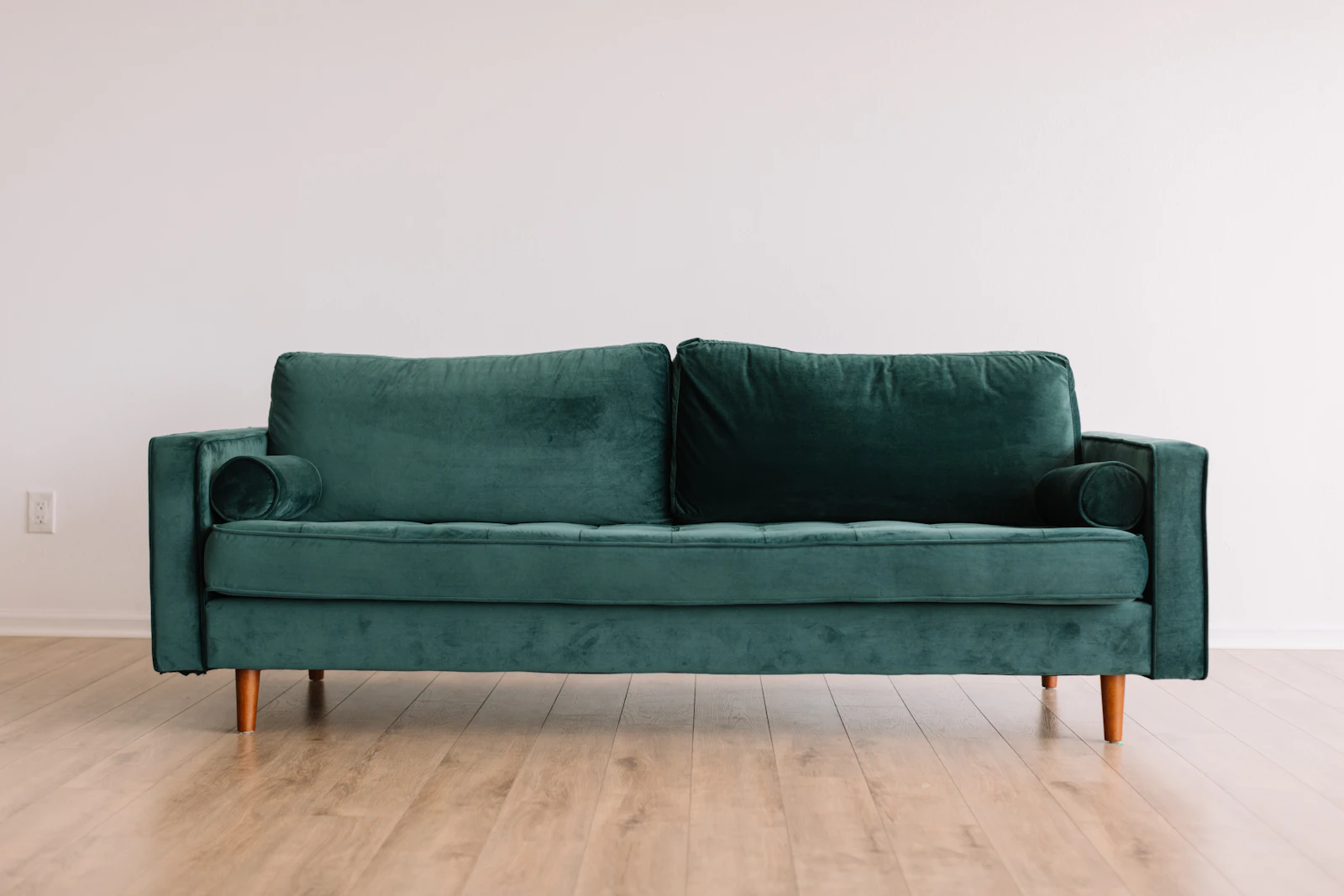
When considering how to choose energy efficient upholstery materials, you must look at the 'loft' and 'weave.' In 2026, synthetic textiles engineered with hollow-core fibers offer superior insulation compared to traditional flat-weave cotton. These materials trap air—nature’s best insulator—keeping a seated person warm without the need to turn up the thermostat. Furthermore, dark-colored, high-emissivity fabrics can absorb heat in the winter, whereas reflective, light-colored linens are better for homes in warmer climates that prioritize cooling.
Modern furniture is no longer just a place to sit; it is a critical layer of insulation for the modern sustainable home.
🔌 Myth 3: "Smart sofas use too much electricity to be energy efficient."
Reality: Advanced 2026 smart furniture uses low-draw sensors and thermoelectric cooling to provide localized comfort more efficiently than whole-home climate control.
The question do smart sofas save electricity in 2026 is answered by the concept of 'micro-zoning.' Instead of heating a 500-square-foot living room to 72 degrees, a smart sofa can provide conductive warmth directly to the user using less power than a single LED lightbulb. By keeping the occupant comfortable at a lower ambient room temperature, these pieces allow for a significant reduction in central heating usage. Look for models with 'Zero-Standby' certifications to ensure they aren't drawing 'vampire' power when not in use.
| Material Type | Insulation Level (R-Value) | Primary Energy Benefit |
|---|---|---|
| Solid Oak / Hardwood | High | Thermal Mass Storage |
| Recycled Wool Upholstery | Excellent | Heat Retention |
| High-Density Hybrid Foam | Medium | Draft Prevention |
| Recycled Aluminum Frame | Low | Low Embedded Energy |
🧼 Myth 4: "Secondhand furniture is always more energy efficient than new."
Reality: Older furniture often lacks the high-performance insulation foams and sustainable manufacturing efficiencies found in modern 2026 certifications.
While buying secondhand is great for reducing waste, it isn't always the best path for energy performance. Older sofas often use disintegrating polyurethane foams that provide poor insulation and may contribute to poor indoor air quality. Modern best modular seating for heat retention 2026 often features multi-layered, closed-cell structures that prevent cold floor drafts from reaching the user. When buying new, look for the 'Circular Energy' label which ensures the piece was manufactured using renewable energy and designed for 100% recyclability.
🪵 Myth 5: "Wood furniture is the only sustainable option for energy efficiency."
Reality: Bio-composites and recycled performance polymers often provide better thermal resistance (insulation) than solid wood.
While solid wood is excellent for thermal mass, it can be prone to warping in high-efficiency 'air-tight' homes. In 2026, the industry has seen a rise in mushroom-based mycelium composites and cellular recycled plastics. These materials are engineered specifically for their air-trapping properties, making them significantly better insulators for coffee tables or shelving units placed against exterior walls, acting as a secondary moisture and thermal barrier.
Pro-Tip: Wall Placement
Place your largest furniture items—like bookshelves or heavy sofas—against exterior walls. This creates an extra layer of insulation known as a 'furniture buffer,' which can reduce heat loss through the wall by up to 10% in older homes.
Watch out
Avoid placing large, low-profile furniture directly over floor vents or in front of radiators. This blocks the intended airflow of your HVAC system, forcing it to work harder and increasing your energy consumption despite the furniture's own efficiency ratings.
❓ Frequently Asked Questions
How to choose energy efficient upholstery materials?
To choose energy efficient upholstery, prioritize high-density natural fibers like wool or advanced hollow-core synthetic blends that trap air for better insulation. These materials provide a higher R-value, meaning they keep you warmer in winter and cooler in summer by reducing conductive heat transfer.
What are the best thermal curtains for energy savings 2026?
The best thermal curtains in 2026 feature triple-layered construction with a decorative face fabric, a non-toxic thermal inner film, and a reflective white backing. This combination allows them to reflect solar heat during the summer while preventing interior warmth from escaping through glass panes in the winter.
Do smart sofas save electricity in 2026?
Yes, smart sofas save electricity by utilizing localized heating and cooling elements that allow you to lower your home's central thermostat. By focusing climate control on the immediate seating area rather than the entire room, these pieces significantly reduce overall household megawatt consumption.
What is the best modular seating for heat retention 2026?
The best modular seating for heat retention features high-leg designs with enclosed undereathers and multi-density foam cores. These designs prevent cold air from pooling beneath the cushions while using encapsulated air pockets within the foam to maintain a consistent surface temperature.
What are the best sustainable area rugs for floor insulation?
High-pile wool rugs with a recycled felt backing are the gold standard for floor insulation and energy efficiency in 2026. They act as a massive thermal barrier for uninsulated floors, preventing heat loss through the foundation and making the room feel significantly warmer.
🏆 The truth in one line
Energy efficient living room furniture is defined by its ability to provide passive thermal insulation and localized comfort, thereby reducing the total energy load required to maintain a healthy home environment.