Sustainable Fabrics: A Complete Guide to Every Eco Material

What sustainable fabrics actually are, how organic cotton, Tencel, linen, hemp, recycled polyester and cupro compare on water, carbon and durability — and which to buy.
"Sustainable fabric" is one of the most abused phrases in retail. A material can be plant-based and still be produced with solvent-heavy chemistry; it can be recycled and still shed microplastics with every wash. What separates a genuinely sustainable fabric from a marketing claim is measurable: water use per kilo, energy intensity, chemical recovery rates, biodegradability at end of life, and how many wears the fibre survives before it thins.
This guide defines each major sustainable fabric, compares them on those five axes, and tells you which certification actually verifies the claim on the label.
What makes a fabric sustainable?
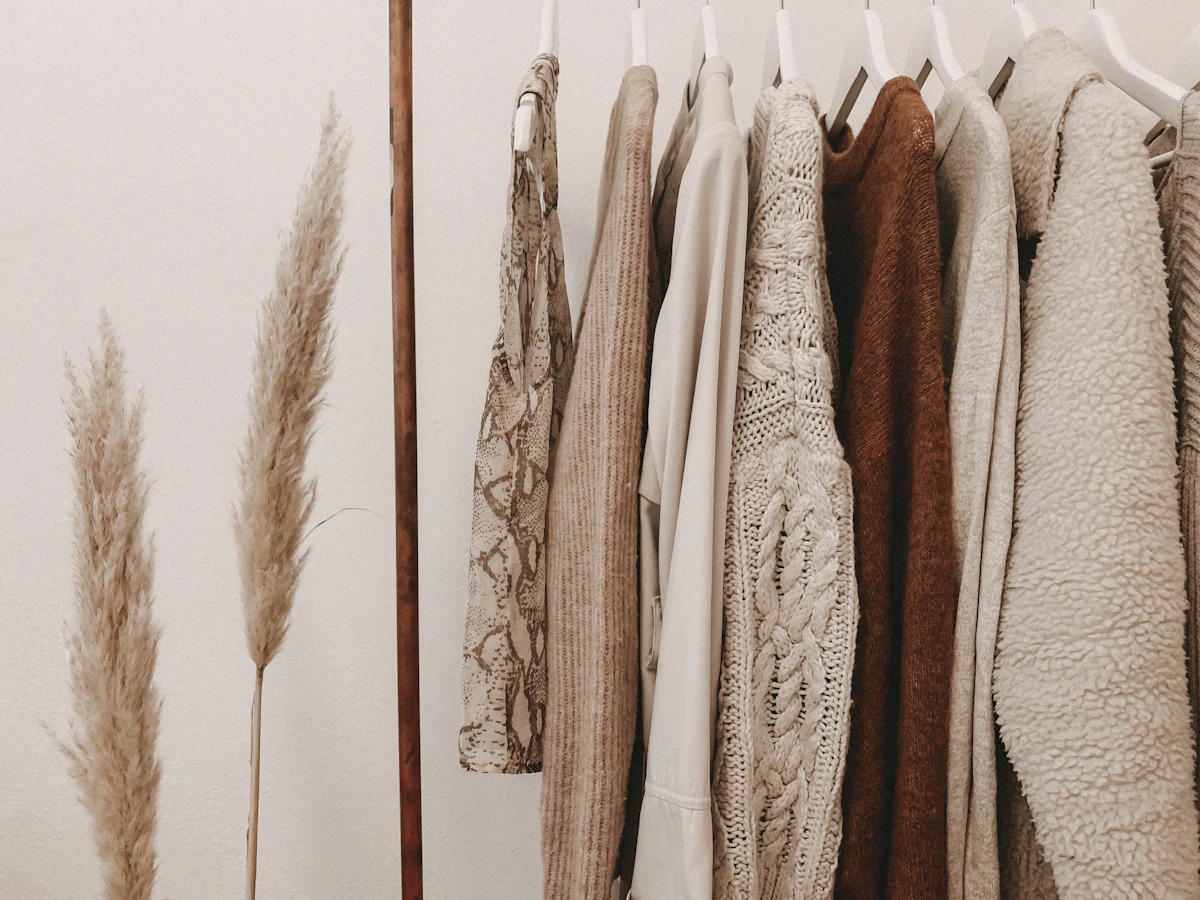
A fabric earns the label on five measurable axes, not on the raw material alone. First, cultivation or feedstock impact: water withdrawal, land use, pesticide and fertiliser load. Second, processing chemistry: whether the solvents, dyes and finishes are recovered in a closed loop or discharged. Third, energy and carbon intensity per kilogram of finished cloth. Fourth, durability — the number of wear-and-wash cycles before visible degradation, which divides the total footprint. Fifth, end of life: biodegradable, mechanically recyclable, or landfill.
A fabric that scores well on four axes and badly on one is common. Conventional cotton is biodegradable and durable but water- and pesticide-heavy. Virgin polyester is durable and low-water but fossil-derived and microplastic-shedding. Ranking fabrics honestly means naming the trade-off rather than declaring a winner.
Organic cotton — lower chemistry, same thirst
Organic cotton is grown without synthetic pesticides or fertilisers and from non-GM seed. The verified benefit is a large reduction in agricultural chemical load and healthier soil carbon. The common overclaim is water: rain-fed organic cotton in India or Türkiye can use far less irrigation than conventional cotton in an arid basin, but organic certification itself says nothing about water.
What to look for: GOTS certification (which covers the fibre and the processing chemistry, not just the farm), plus an explicit water or regenerative-agriculture claim. OCS certification verifies organic content only — useful, but weaker than GOTS. Expect a 20-40% price premium and near-identical durability to conventional cotton of the same weight and staple length.
Tencel lyocell and modal — closed-loop wood pulp

Lyocell is a regenerated cellulose fibre made by dissolving wood pulp in an amine-oxide solvent. What distinguishes branded Tencel lyocell from generic viscose is the closed loop: roughly 99% of the solvent is recaptured and reused, and the water system is largely recirculated. Viscose made by the older process can discharge carbon disulphide, which is a genuine worker-health and effluent problem.
Lyocell drapes well, resists odour, and biodegrades. Its weak point is wet strength in very light weights and a tendency to pill in low-quality blends. Look for the TENCEL branding plus FSC or PEFC certification on the pulp source — the sustainability of the forest matters as much as the solvent loop.
Linen and hemp — the lowest-input naturals
Flax (linen) and hemp are the strongest performers on inputs. Both grow in temperate climates with little or no irrigation, need minimal pesticide, and improve soil structure in rotation. Hemp yields roughly twice the fibre per hectare of cotton. Both are among the most durable apparel fibres, and both soften rather than degrade with washing — the ideal durability profile.
The honest trade-offs: retting (separating fibre from stalk) can be water-intensive if done by tank rather than in the field, and both fabrics wrinkle. European Flax certification verifies EU-grown, field-retted flax. For hemp, ask whether the softening was mechanical or chemical — chemically 'cottonised' hemp loses much of the advantage.
Recycled polyester, nylon and the microfibre problem
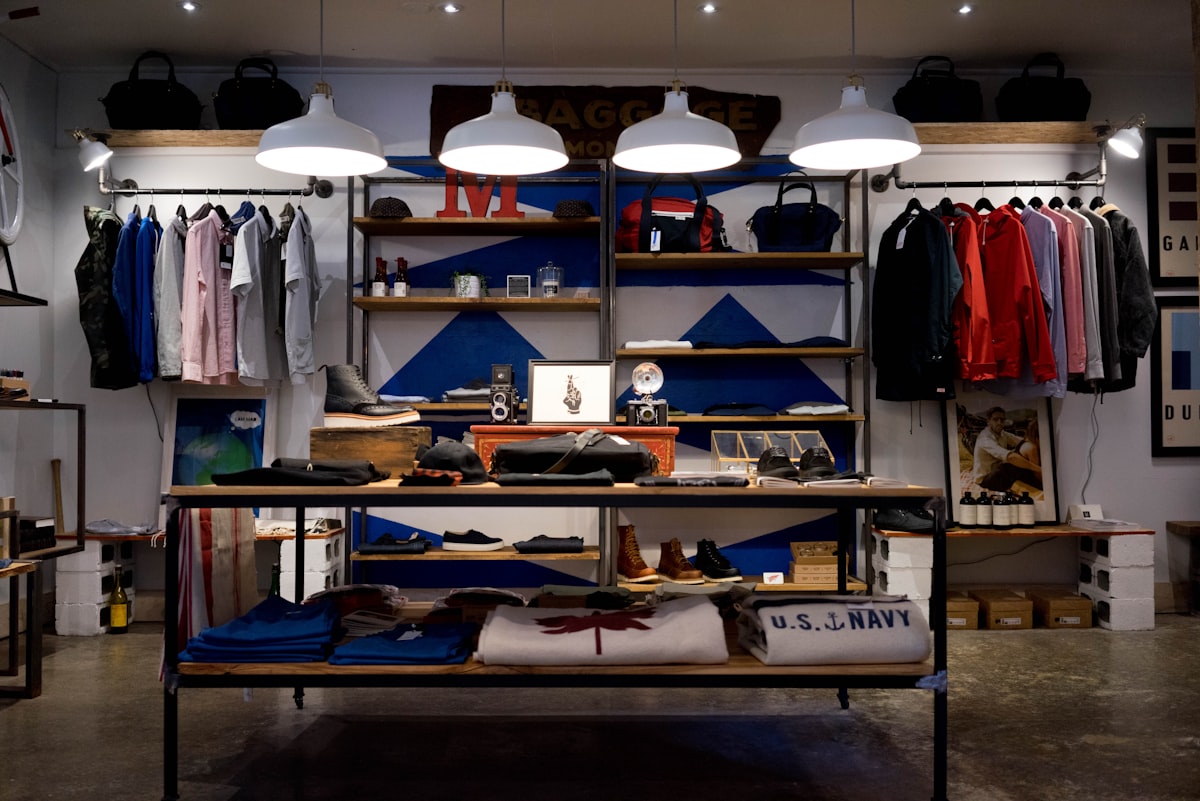
Recycled polyester (rPET) is typically made from post-consumer bottles. It cuts virgin-oil demand and uses roughly 30-50% less energy than virgin polyester. Recycled nylon (ECONYL and equivalents) recovers fishing nets and industrial waste and can be regenerated repeatedly without quality loss, which makes it the stronger of the two on circularity.
Neither solves microfibre shedding. Every wash releases synthetic fragments; a filter bag, a machine filter, cold washes and full loads measurably reduce it. Look for GRS (Global Recycled Standard) rather than an unverified 'made from recycled materials' line, and prefer recycled synthetics in items that need their performance — outerwear, swimwear, technical layers — rather than in basics where a natural fibre would do.
Cupro, bamboo lyocell and the regenerated middle ground
Cupro is regenerated from cotton linter — the short fuzz left on the seed after ginning — so its feedstock is genuinely a waste stream. It behaves like silk, is machine-washable, and biodegrades. The caveat is the cuprammonium process, which uses copper and ammonia; the reputable mills recover both, so the mill matters more than the fibre.
Bamboo is the most mislabelled material on the market. Almost all 'bamboo' clothing is bamboo viscose, made by the conventional viscose process, and carries viscose's chemistry problem despite the plant's low-input growth. Bamboo lyocell, made in a closed loop, is the version worth paying for — and it will say lyocell on the label.
How to read the label in ten seconds
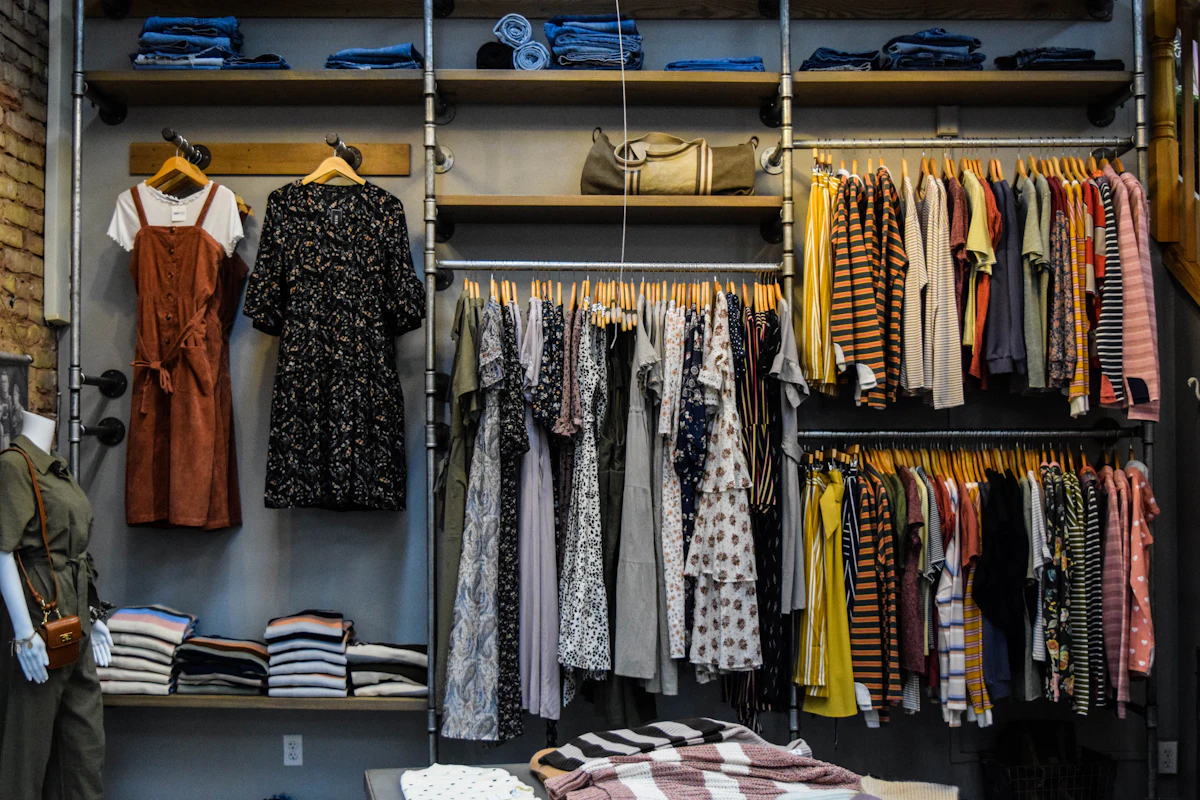
Ignore adjectives, read certifications. GOTS covers organic natural fibres end to end. GRS covers recycled content and its supply chain. OEKO-TEX Standard 100 verifies the finished textile is free of listed harmful substances. FSC or PEFC covers the forest behind any wood-pulp fibre. EU Ecolabel and Bluesign cover processing impact. Cradle to Cradle covers circularity.
Then check the composition tag. A single-fibre garment is recyclable; a poly-cotton blend usually is not. Finally, check the weight and construction — a 300gsm organic cotton tee will outlive a 140gsm one by years, and that durability gap will dominate every other sustainability metric on this page.